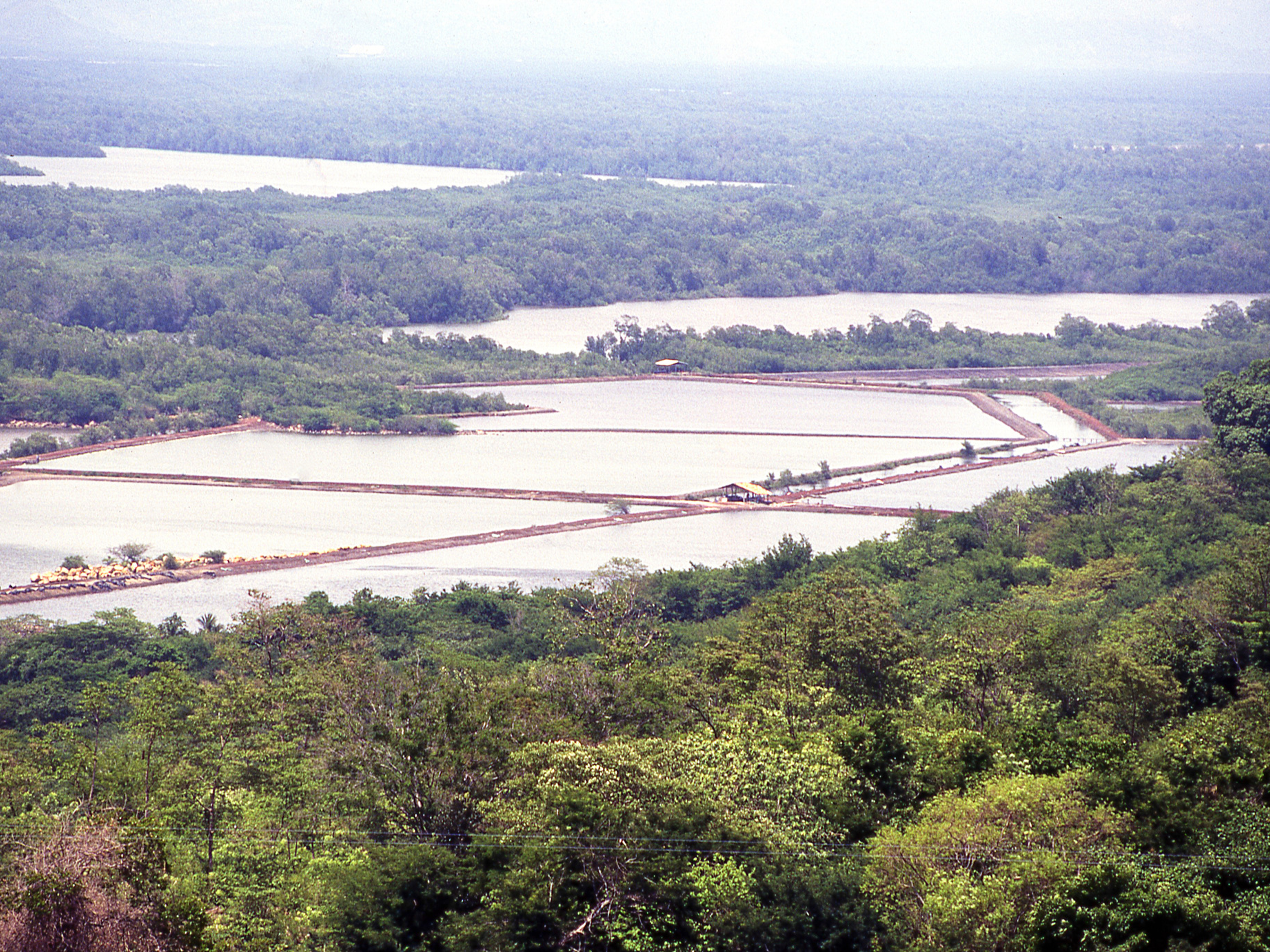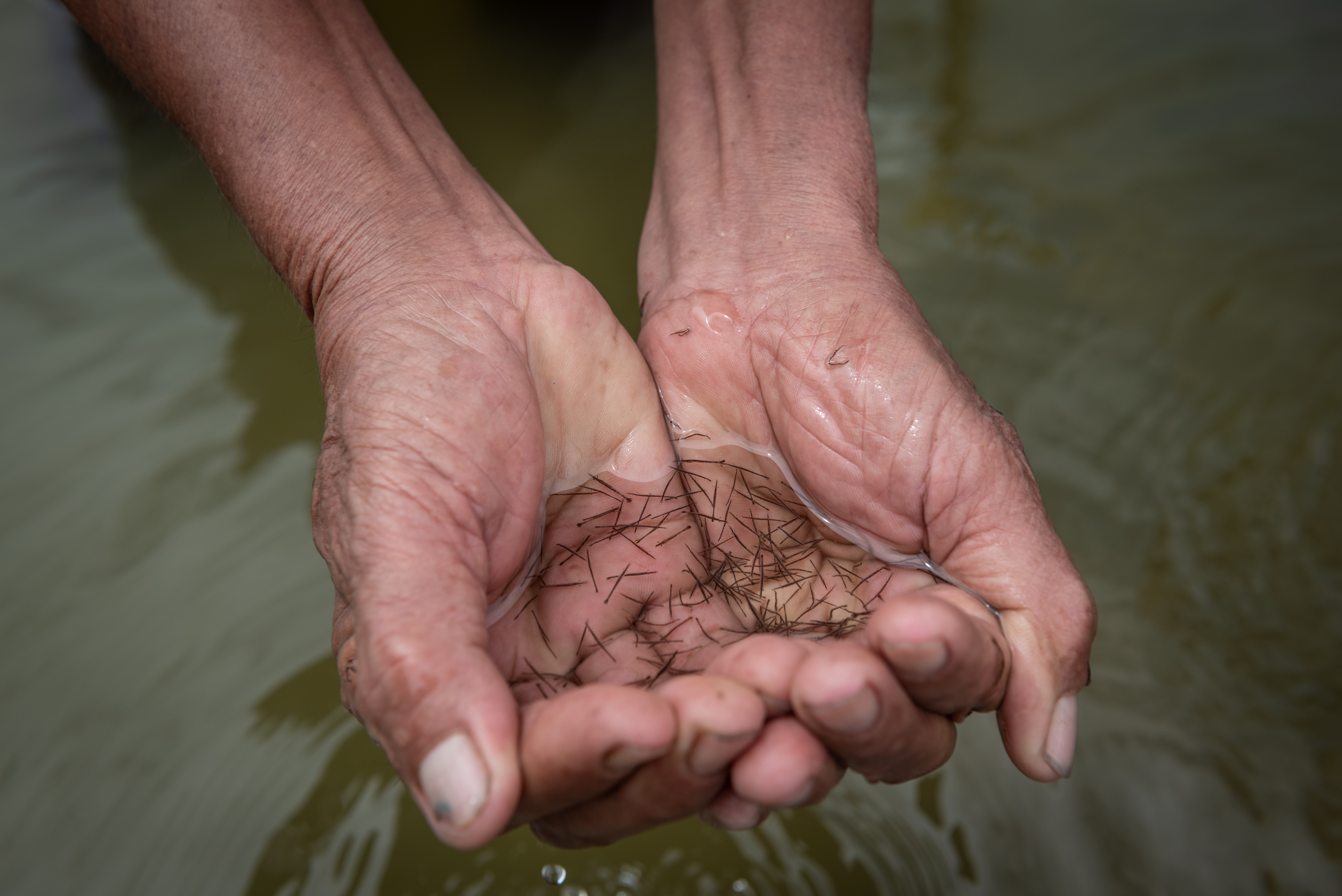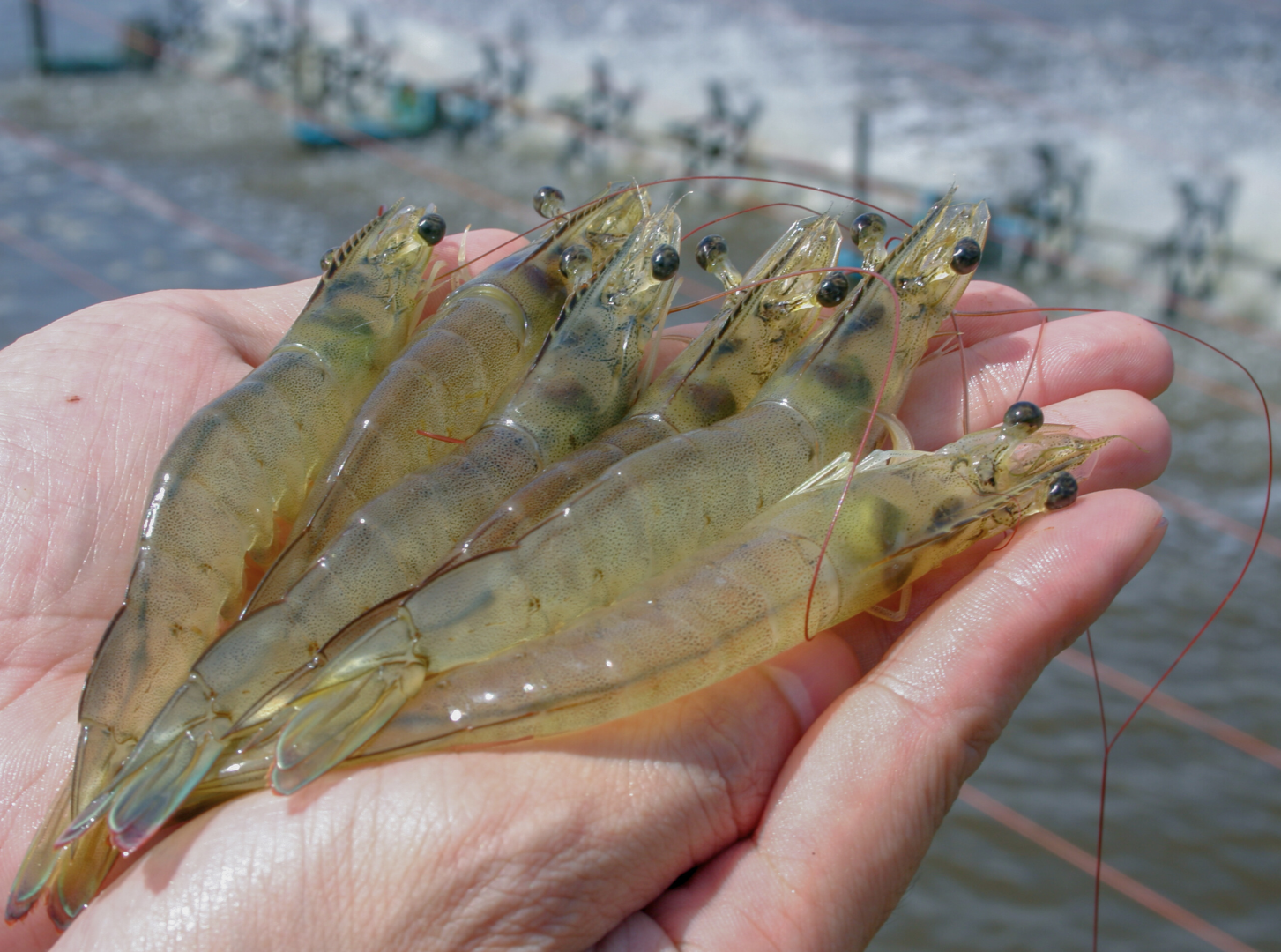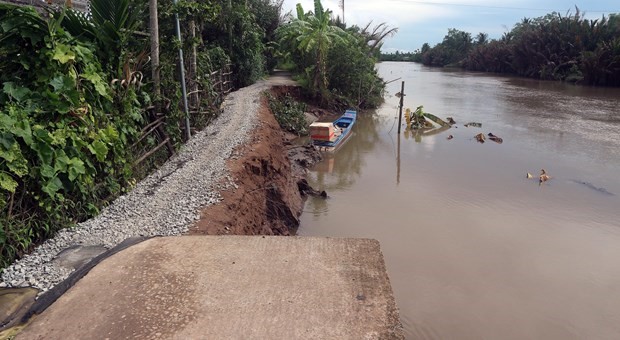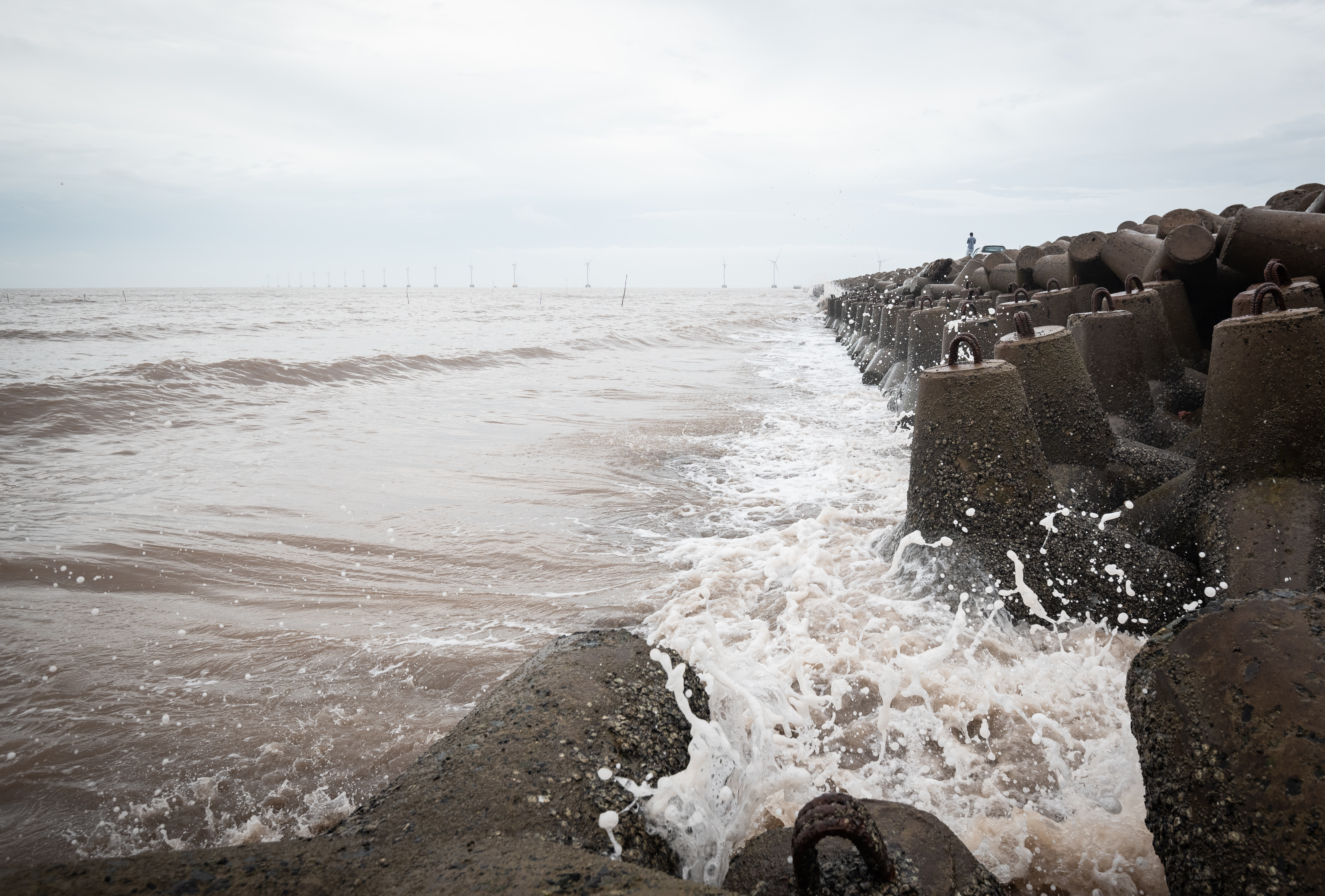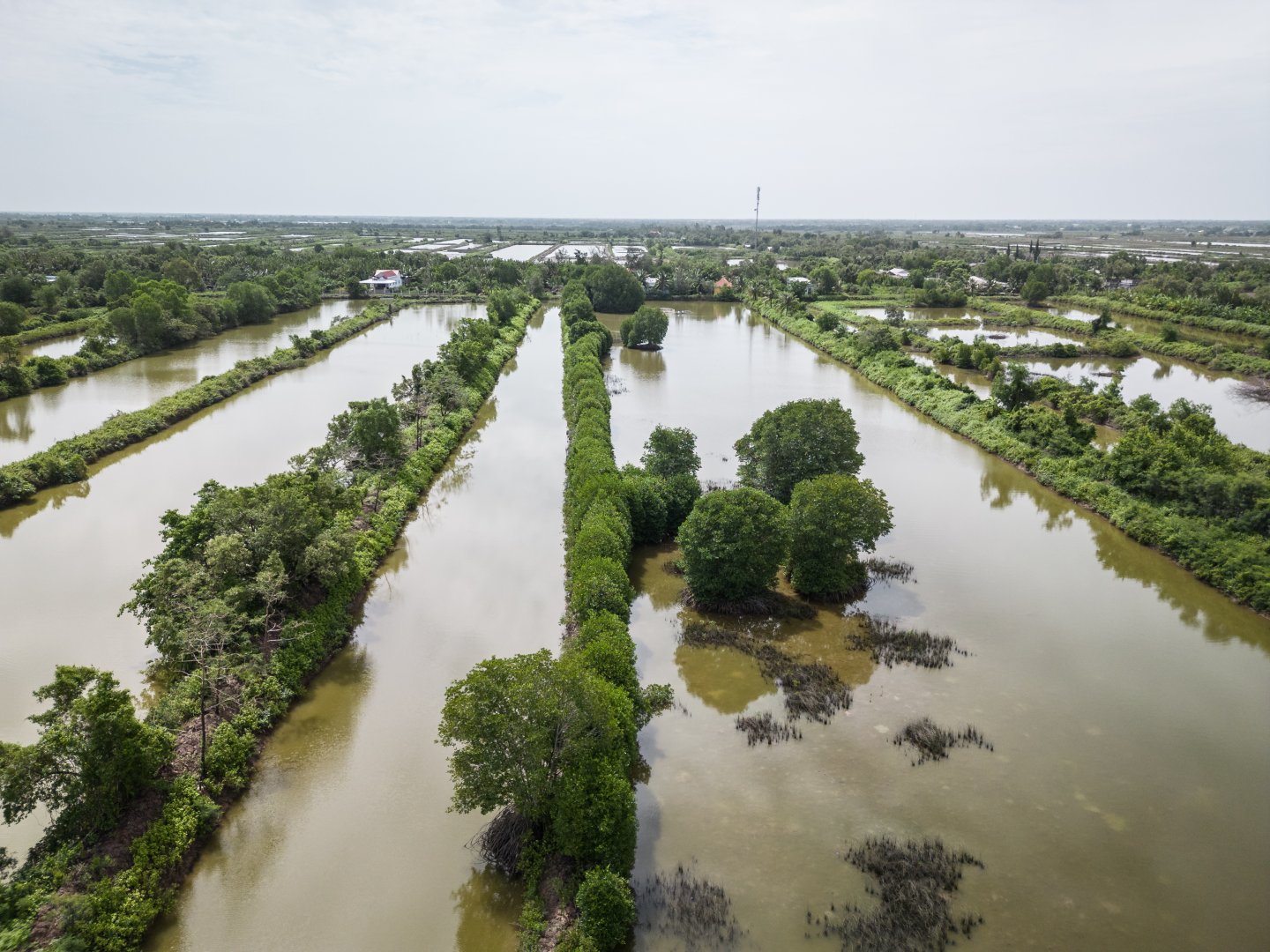
[Shrimp Farmers] – The rapid development of shrimp farming has been accompanied by increasing environmental pressure. To address this challenge, the low-emission shrimp farming model is regarded as a sustainable and effective solution. This model not only optimizes productivity but is also environmentally friendly.
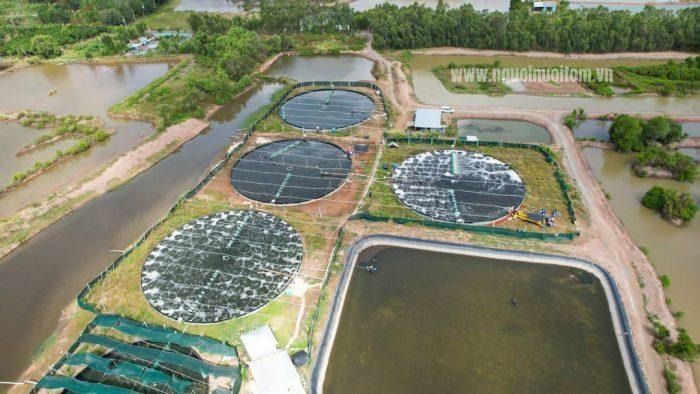
Low-emission shrimp farming is regarded as a sustainable and effective solution.
Low-yield shrimp farming based on pond carrying capacity
The low-yield shrimp farming model based on pond carrying capacity is emerging as a promising solution, providing an optimal balance between productivity and environmental protection. The core focus of this model is to optimize the pond’s self-purification capacity, reduce waste discharge into the environment, and maintain a balanced ecosystem.
Under this model, the amount of waste generated from shrimp farming activities is calculated so as not to exceed the pond’s self-purification capacity within 24 hours. With a stocking density of 20–24 shrimp/m², the model minimizes pressure on the pond ecosystem, creating ideal conditions for healthy shrimp growth. Estimated yields range from 3–10 tons/ha, not only maintaining environmental stability but also ensuring optimal shrimp quality. This is particularly significant in Ecuador, where the model has been widely applied.
Another key factor of the model is the presence of an efficient aeration system to ensure that dissolved oxygen levels in the water remain optimal. Effective waste management under this model keeps waste volumes within the pond’s natural self-purification carrying capacity, preventing overload, eutrophication, and ensuring ecological balance.
The low-yield shrimp farming model based on pond carrying capacity depends on the presence and activity of metabolizing organisms, including algae, heterotrophic bacteria, and autotrophic bacteria.
High-yield shrimp farming based on pond carrying capacity
The high-yield shrimp farming model based on pond carrying capacity combined with supportive measures is becoming increasingly prevalent, particularly in Thailand. This approach focuses on controlling and balancing the pond ecosystem, with emphasis on microbial communities to effectively process waste and provide nutrients.
One of the notable advantages of this method is that the volume of waste generated corresponds to the algae’s capacity to self-purify the pond within 24 hours, while supplementing nutrients to promote the development of indigenous microorganisms such as bioflocs or heterotrophic bacteria. Through effective water quality management systems and the use of disease-free shrimp seed, farmers can conduct multiple consecutive production cycles without the need for pond rehabilitation.
By utilizing microbial communities to treat waste, supply nutrients, and reduce feed and chemical costs, the model minimizes the discharge of organic matter and nutrients into the environment, thereby protecting surrounding water sources. A stable pond environment enables shrimp to grow well, reduces disease risks, and increases productivity.
The high-yield shrimp farming model based on pond carrying capacity and microbial support represents a significant advancement in the aquaculture sector. With its outstanding economic and environmental benefits, this model not only has strong potential for widespread adoption in Thailand but also globally, promising to become a highly prospective direction for the shrimp industry.
High-yield shrimp farming through water exchange and waste treatment
This is one of the models commonly applied in Vietnam, based on periodic water exchange to remove waste and maintain a stable pond environment.
The water exchange and waste treatment method operates on the principle of partially replacing pond water to eliminate waste and maintain water quality. Within 24 hours, the volume of waste generated is controlled through the pond’s natural self-purification carrying capacity and periodic water exchange. The shrimp stocking density in this model typically ranges from 50–70 tons/ha, allowing for high productivity.
Periodic water exchange helps maintain water quality and minimizes the risk of toxic waste accumulation. It creates favorable conditions for shrimp development while reducing disease risks.
Although the water exchange and waste treatment method offers numerous benefits, it also presents certain challenges, such as: it may not be effective in salinity reduction for brackish water, particularly when the water exchange interval extends from 25–40 days, thereby affecting the ability to maintain optimal conditions for shrimp; periodic water exchange requires large volumes of water, leading to high costs and substantial water demand, which may exert pressure on water resources; if wastewater is not reused or properly treated, water exchange may result in greenhouse gas emissions, contributing to climate change.
To optimize the high-yield shrimp farming method through water exchange and waste treatment, it is necessary to shift perspectives and apply improved solutions by considering the reuse of wastewater through treatment systems to reduce water consumption and greenhouse gas emissions. Technological upgrades in water treatment and waste management are also required to enhance efficiency and minimize negative impacts.
High-yield shrimp farming with water recirculation (RAS)
The high-yield shrimp farming model using water recirculation has been transferred by SAEN Aquaculture Science and Environment Co., Ltd. to numerous shrimp farming facilities, achieving high productivity and low production costs. The farming process includes:
Stage 1: 01 nursery tank with a steel frame lined with HDPE tarpaulin, capacity 100 m³; 01 drum filter (Drumfilter – DF100) manufactured by SAEN with a filtration capacity of 100 m³/hour; 01 biofilter with 5 m³ of media having a specific surface area of 800 m²/m³; 01 Jebao submersible recirculation pump with a pumping capacity of 25 m³/hour.
Stage 2: 01 grow-out tank with a steel frame lined with HDPE tarpaulin, capacity 200 m³; 01 drum filter (Drumfilter – DF100) manufactured by SAEN with a filtration capacity of 100 m³/hour; 01 biofilter with 10 m³ of media having a specific surface area of 800 m²/m³; 02 Jebao submersible recirculation pumps with a total pumping capacity of 50 m³/hour.
RAS Stage 3: 02 grow-out tanks with steel frames lined with HDPE tarpaulin, each with a capacity of 200 m³; 01 drum filter (Drumfilter – DF100) manufactured by SAEN with a filtration capacity of 100 m³/hour; 01 biofilter with 20 m³ of media having a specific surface area of 800 m²/m³; 01 temporary storage tank of 25 m³; 02 Jebao submersible recirculation pumps with a total pumping capacity of 50 m³/hour.
The RAS system helps reduce the feed conversion ratio (FCR), lower costs, and improve production efficiency. Although it requires substantial initial investment, operating costs are reduced through optimized feed and water utilization. It also minimizes water exchange and wastewater discharge, thereby protecting the environment and conserving resources.
Recirculating Waste Reuse Model
Diagram of the Implementation of the Nutrient-Regenerating, Zero-Discharge RAS Recirculation Model
This model is a project led by Dr. Nguyễn Nhứt in collaboration with the Research Institute for Aquaculture II, the Department of Science and Technology of Cà Mau Province, and funded by CIRAD – France.
The advantage of this model lies in its application of Recirculating Aquaculture System (RAS) technology and its division into three stages: Stage 1 nursery rearing for approximately 20–25 days, followed by transfer to Stage 2 and Stage 3 grow-out through a water recirculation system. This is a closed system that reuses more than 90% of water, thereby minimizing disease transmission from the water supply process. With this advantage, farmers can stock shrimp continuously for 6–8 crops per year, achieving an average production yield of 60–70 tons/ha/crop.
The culture water is regenerated and reused for tilapia and for providing nutrients to soft seaweed and agar seaweed, specifically through nitrogen absorption. The absorption of other parameters such as carbon, dry matter, phosphorus, and CO₂ has also been identified and assessed as optimal. The results further indicate that the potential regeneration of carbon sources in the form of CO₂ gas - representing potential greenhouse gas emissions - for by-products is nearly 100%.
In addition, during the culture process, shrimp farmers supplement feed daily with probiotics and herbal preparations to enhance the immune system and prevent bacterial infections in shrimp. As a result, the culture period is shortened, the survival rate reaches ≥ 80%, and productivity increases by more than 20% per pond compared to previous practices. After approximately 2.5 months of stocking, harvested shrimp reach a size of 39 shrimp/kg. Another outstanding characteristic is the attractive coloration of the shrimp, and the product quality meets the consumption demands of international markets.
Source: https://nguoinuoitom.vn/nuoi-tom-giam-phat-thai-giai-phap-xanh-cho-nganh-thuy-san/