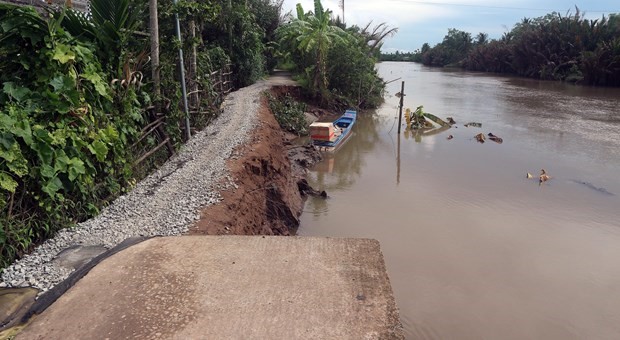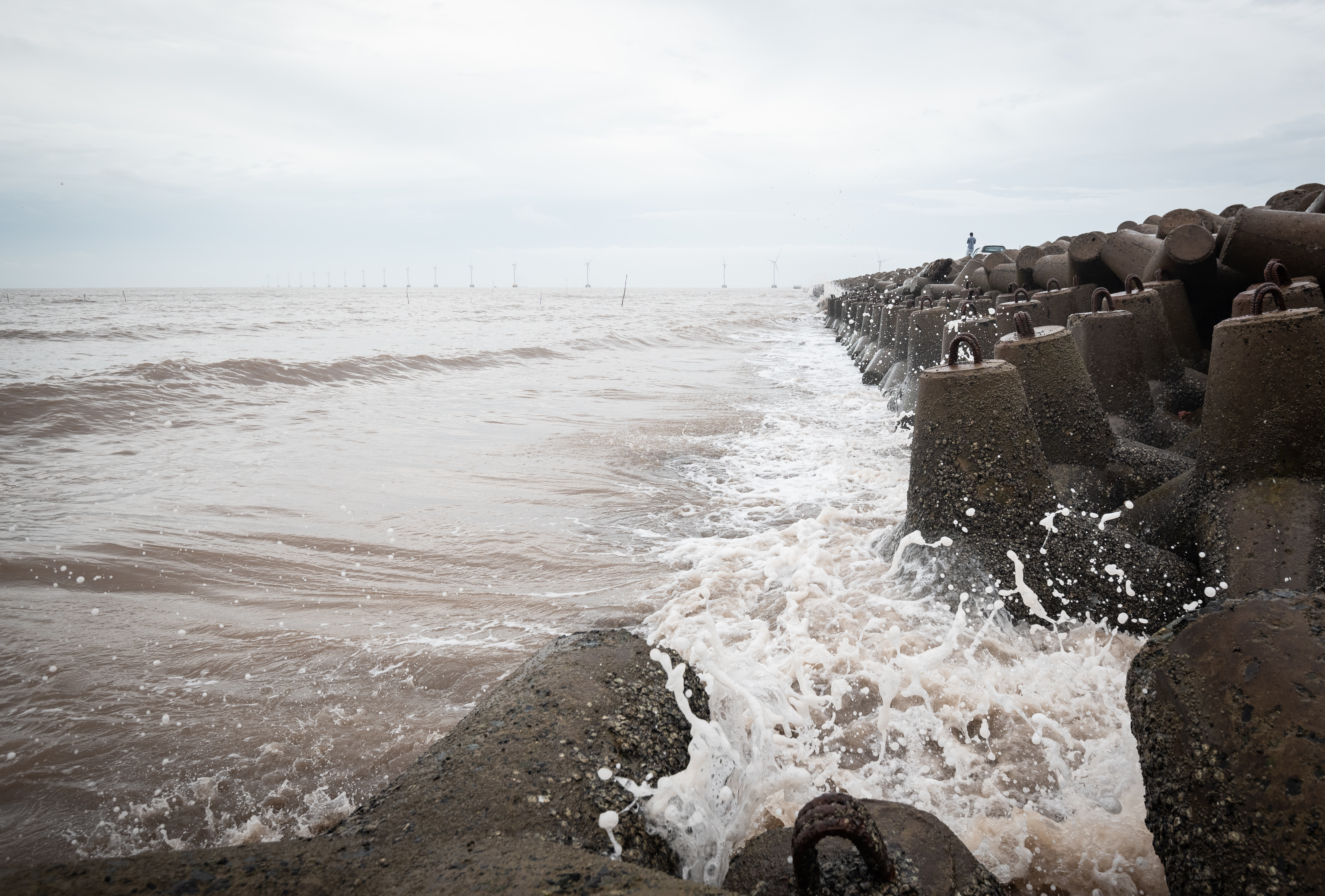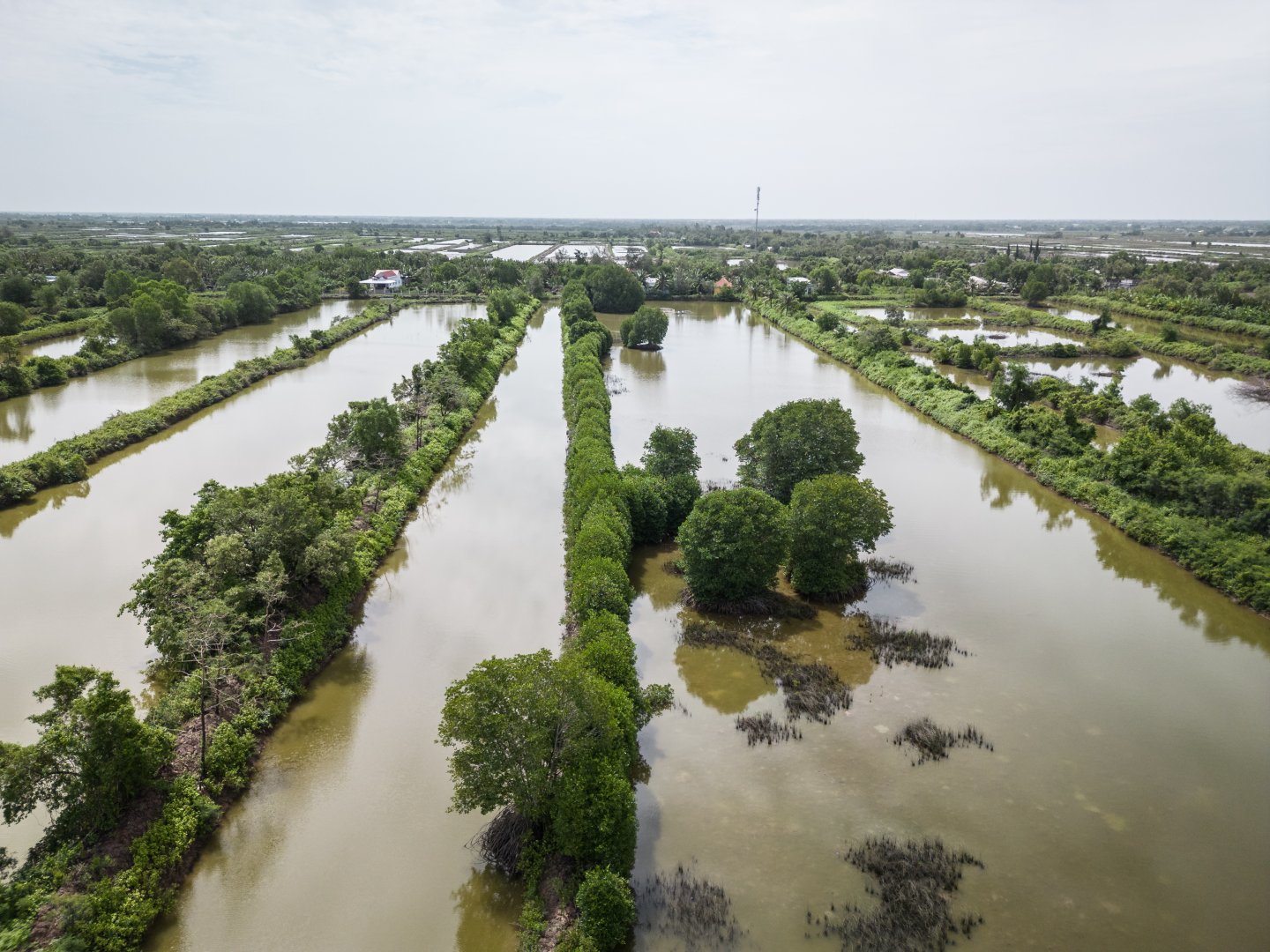
After many years of investment and development, the environmental monitoring, warning, and disease prevention network serving aquaculture production has now become relatively comprehensive; the current issue is to enhance the effectiveness of the established monitoring network that has been invested in.
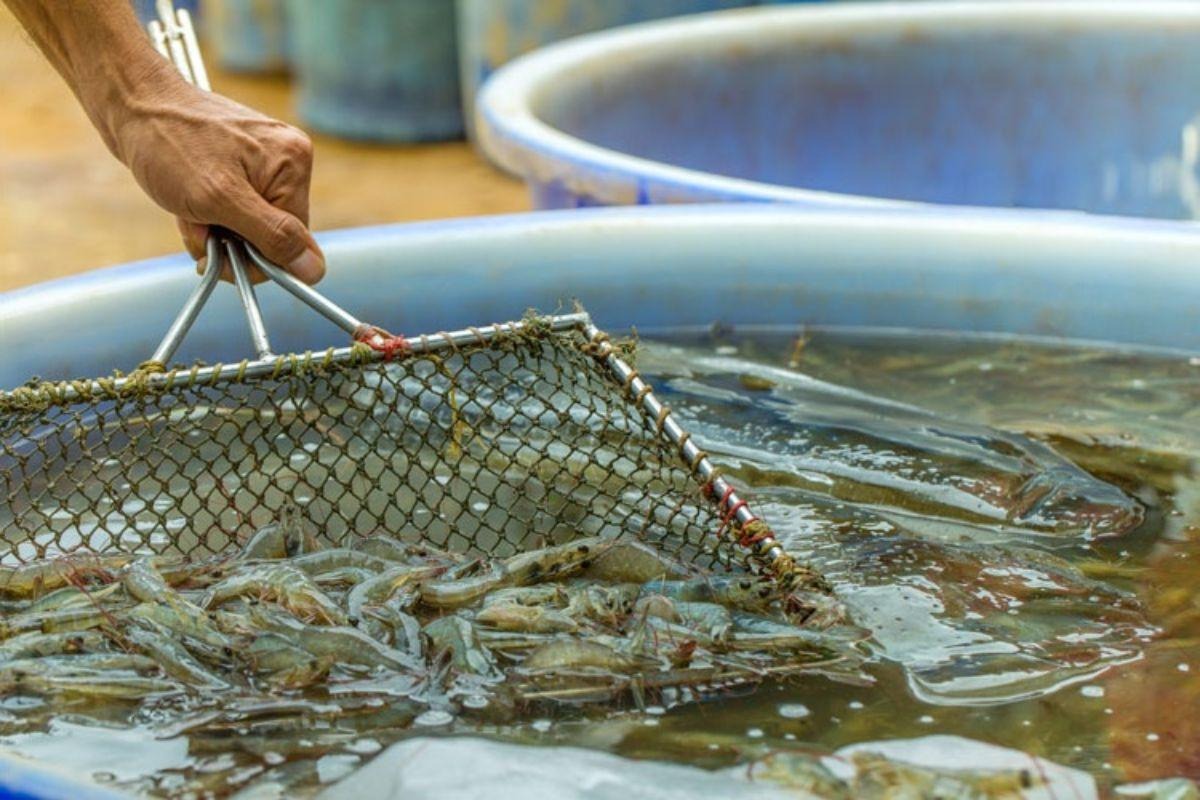
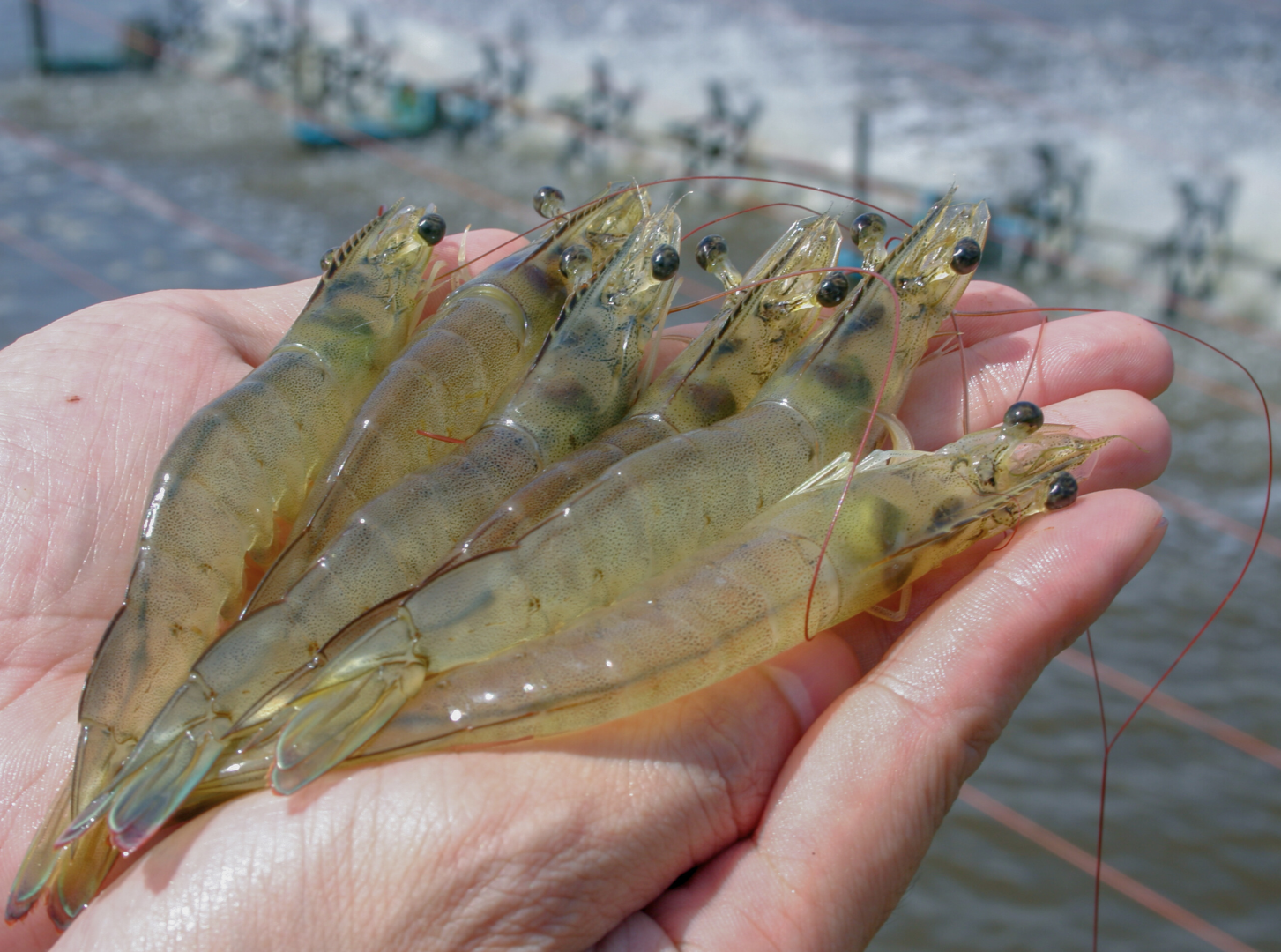
Whiteleg shrimp. Photo: Shutterstock.
Network from Central to Local Levels
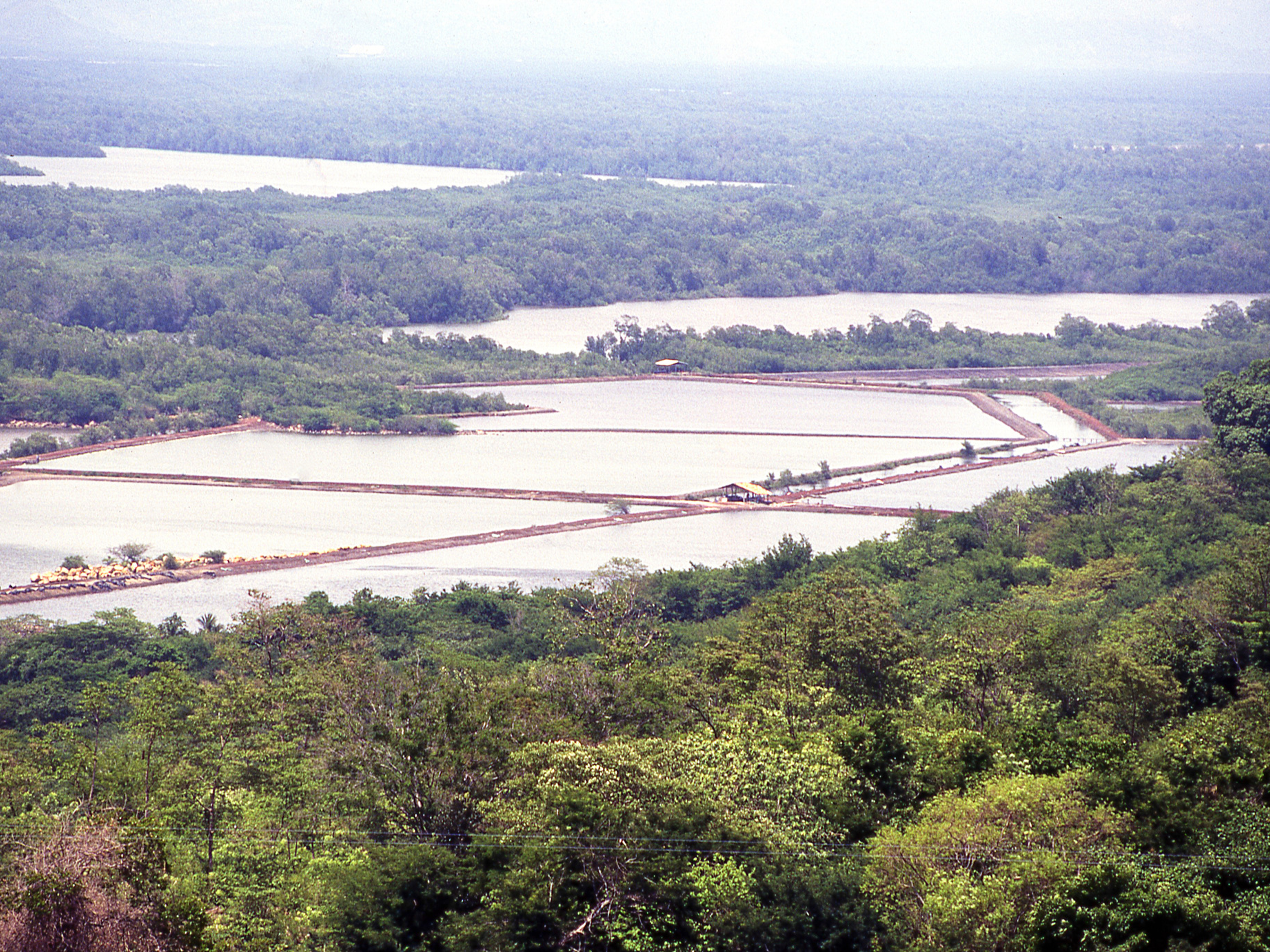
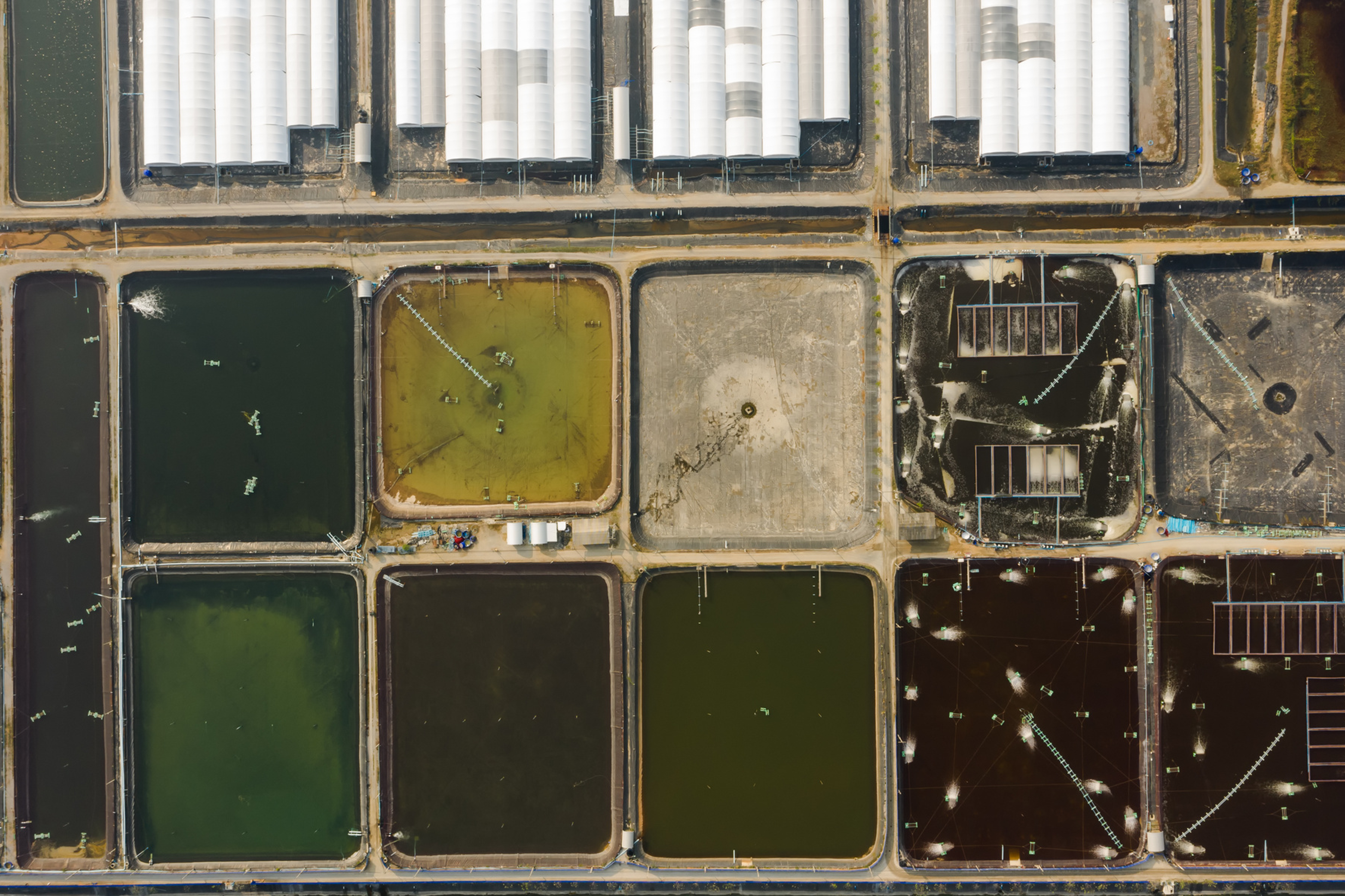
According to data from the Directorate of Fisheries, the environmental monitoring network serving aquaculture production has been established from the central to local levels, with a total of 969 monitoring sites in 55 out of 63 provinces and centrally governed cities, and 4 environmental and aquatic animal disease monitoring and warning centers. These are monitoring sites for water sources supplying aquaculture production. Of these, brackish water shrimp farming areas account for 453 sites, pangasius 137 sites, mollusks 71 sites, lobster 59 sites, and tilapia and cage fish farming 239 sites, among others. In 29 provinces with shrimp farming and 11 provinces with pangasius farming, environmental monitoring is conducted.
Monitoring parameters comprehensively covers physical, chemical, pathogenic microorganisms, heavy metals, and plant protection products. The periodic monitoring frequency is twice per month; at certain times, monitoring is conducted four times per month or increased further depending on requirements during seasonal transitions, storms, and floods. The central level manages 62 monitoring sites, assigned by the Directorate of Fisheries to the Research Institute for Aquaculture No. I, II, III, and the Research Institute for Marine Fisheries. The remaining sites are managed by local authorities.
Monitoring results are disseminated by central and local management agencies and farmers through hundreds of bulletins. In the first nine months of 2023, approximately 80 bulletins were issued for brackish water shrimp; pangasius and mollusks each had 30 bulletins; while lobster, marine fish, tilapia, and cage fish farming each had 40 bulletins. Through monitoring activities, official documents warning of environmental developments in farming areas across all three regions have also been issued.
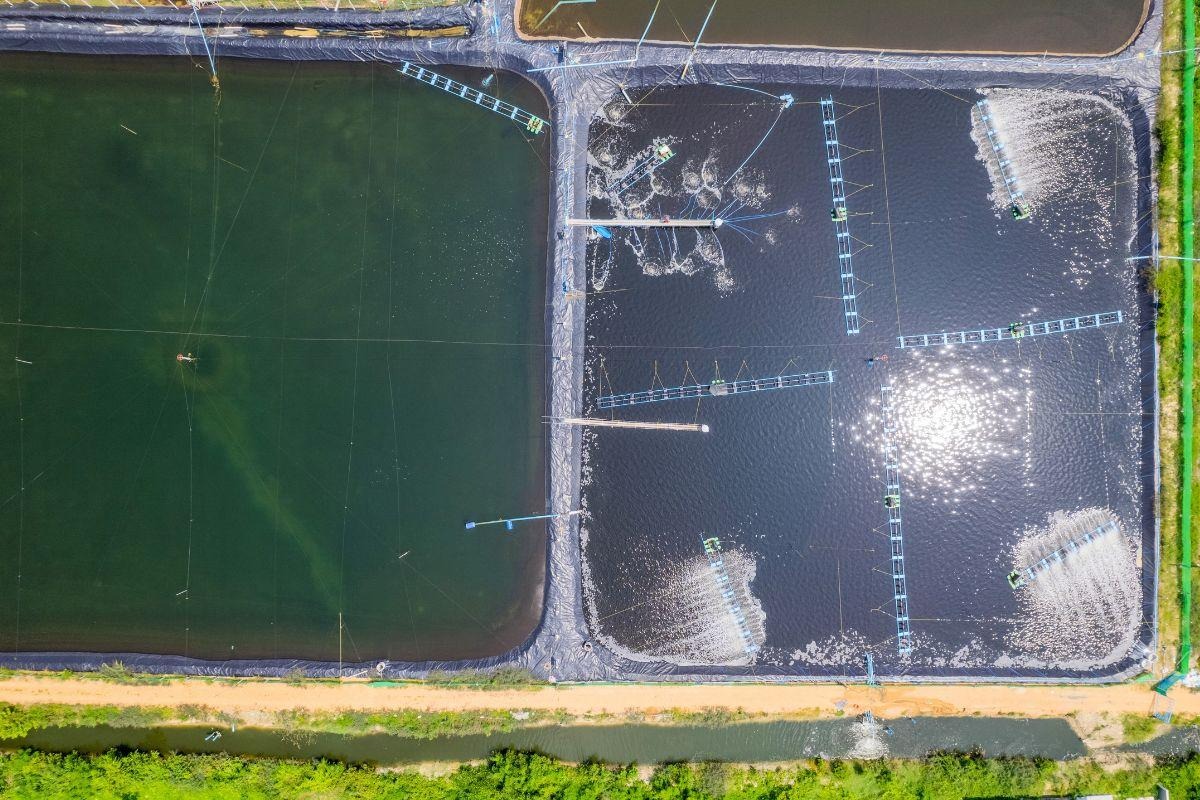
Monitoring parameters comprehensively covers physical, chemical, pathogenic microorganisms, heavy metals, and plant protection products.
The Directorate of Fisheries coordinates with relevant units to organize ad hoc working missions to aquaculture areas where aquatic animal disease outbreaks occur, in order to assess the situation, collect samples to determine the causes, and provide guidance and direction for production recovery. For example, the causes of mortality in farmed oysters and marine fish in Quảng Ninh and Kiên Giang were promptly identified.
The Directorate of Fisheries assessed: “Monitoring parameters are promptly transmitted to relevant agencies from central to local levels through bulletins, notices, and warning documents, thereby helping to minimize losses for farmers and contributing to environmental management solutions to achieve effective production outcomes.”
Enhancing the Effectiveness of the Monitoring Network
In recent years, the Directorate of Fisheries has guided localities in updating environmental monitoring data into the national database software system and has developed the Draft “Handbook for Calculating the Water Quality Index (WQI) for Freshwater, Brackish Water, and Marine Aquaculture Areas.” However, there remains a situation in which monitoring data and official data from state agencies operate relatively independently, in a fragmented manner, and lack appropriate updates.
Representatives of localities such as Đồng Tháp Province, where pangasius farming is prevalent, and Sóc Trăng Province, where high-technology brackish water shrimp farming is widely practiced, have proposed the need for solutions to ensure timely updates and standardization of monitoring parameters and database systems in order to enhance effective utilization. The application of technology to store monitoring information, conduct analysis, and integrate data collected from other systems would serve as a basis for proposing specific local policy measures.
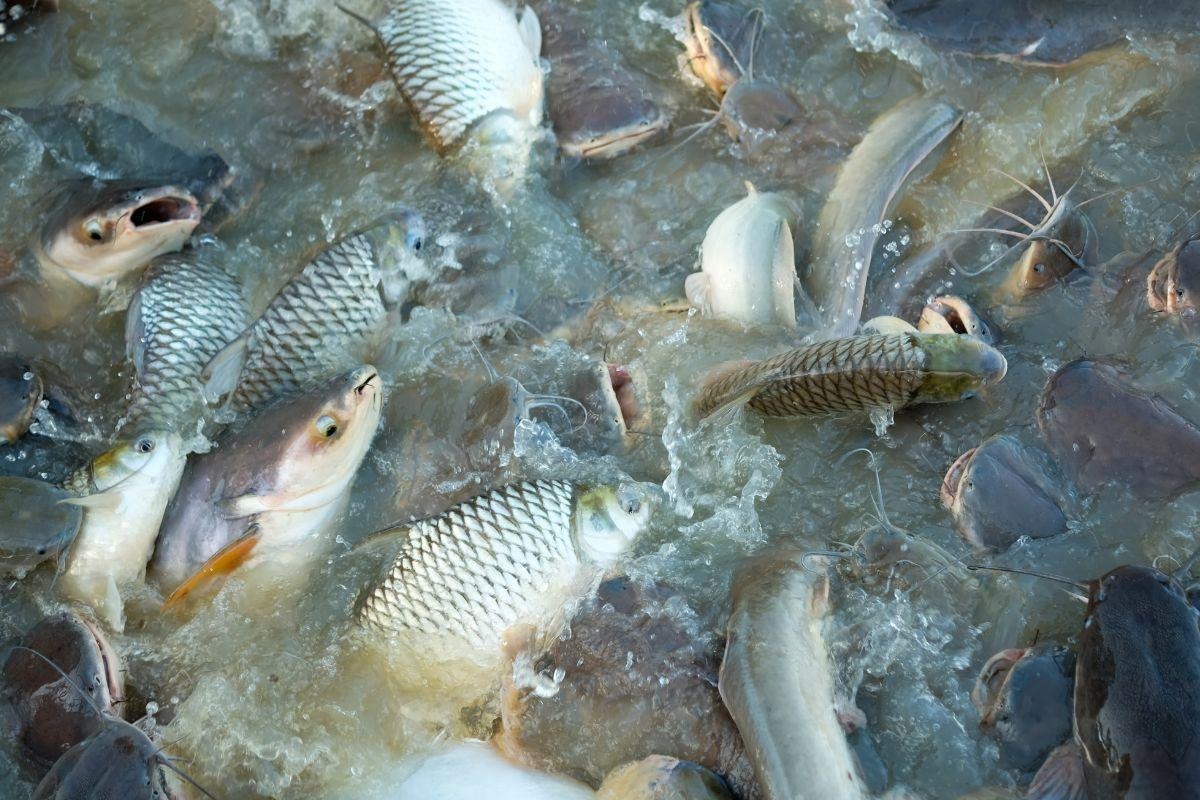
Commercial fish
In particular, it is necessary to establish a mechanism for information sharing with citizens and enterprises, as well as the capacity to receive data from citizens and enterprises, as a basis for strengthening the national data network. Thereby, it would effectively support risk warning activities and enable the timely provision of solutions by authorities, enterprises, and local communities in order to minimize related losses to the lowest possible level.
The Director General of the Directorate of Fisheries, Mr. Trần Đình Luân, concurred with the recommendations of the localities and emphasized that, to enhance the effectiveness of the invested monitoring network, concerted efforts from relevant agencies at both central and local levels are required. He stated: “Although there are numerous monitoring parameters, the system has been streamlined to essential indicators, which the Directorate has provided to localities for uniform implementation. Localities must also promptly and fully update monitoring indicators into the database at http://csdlquantrac.tongcucthuysan.gov.vn in order to coordinate the improvement of environmental management solutions and help aquaculture production minimize losses to the greatest extent possible.”