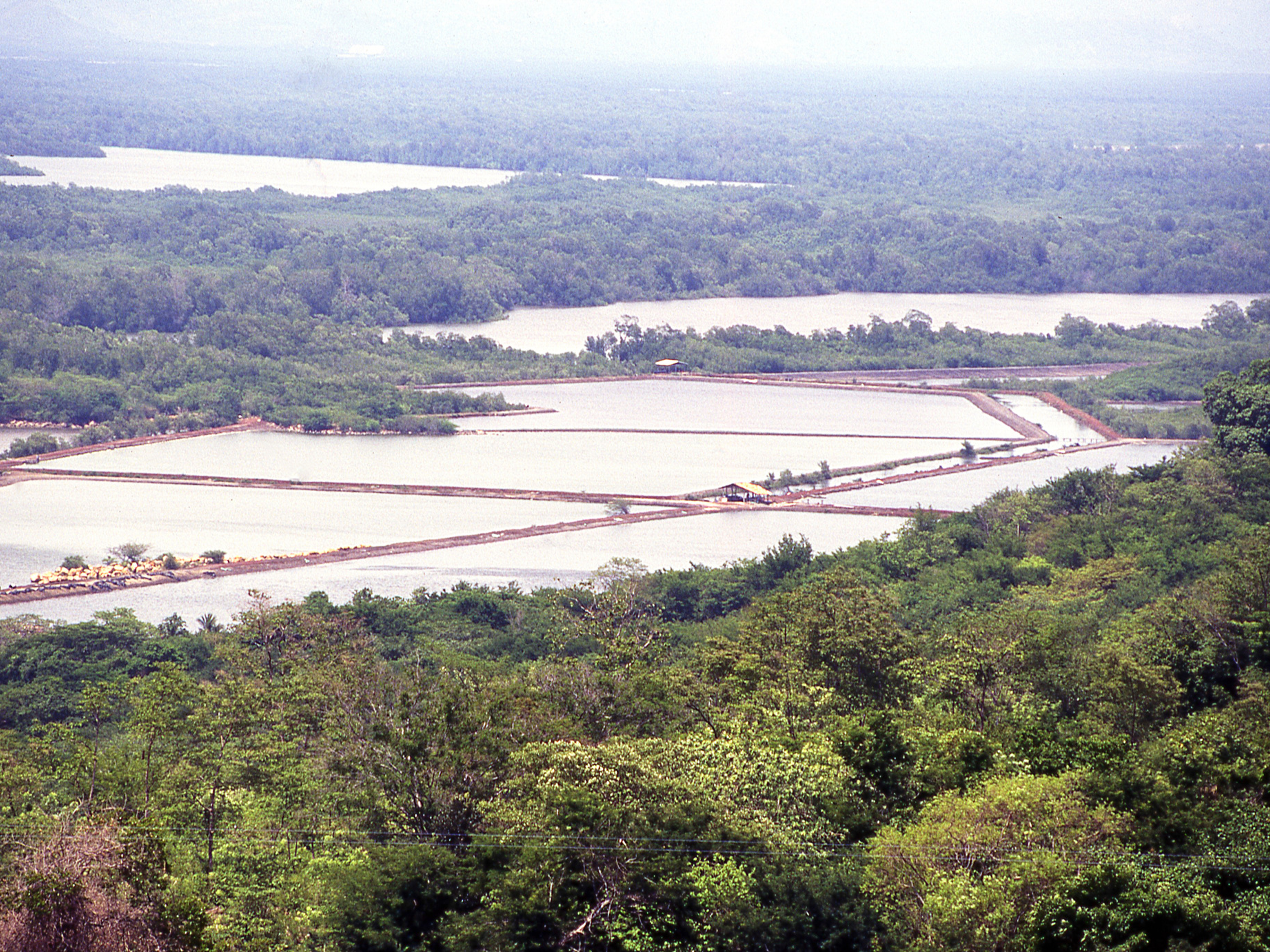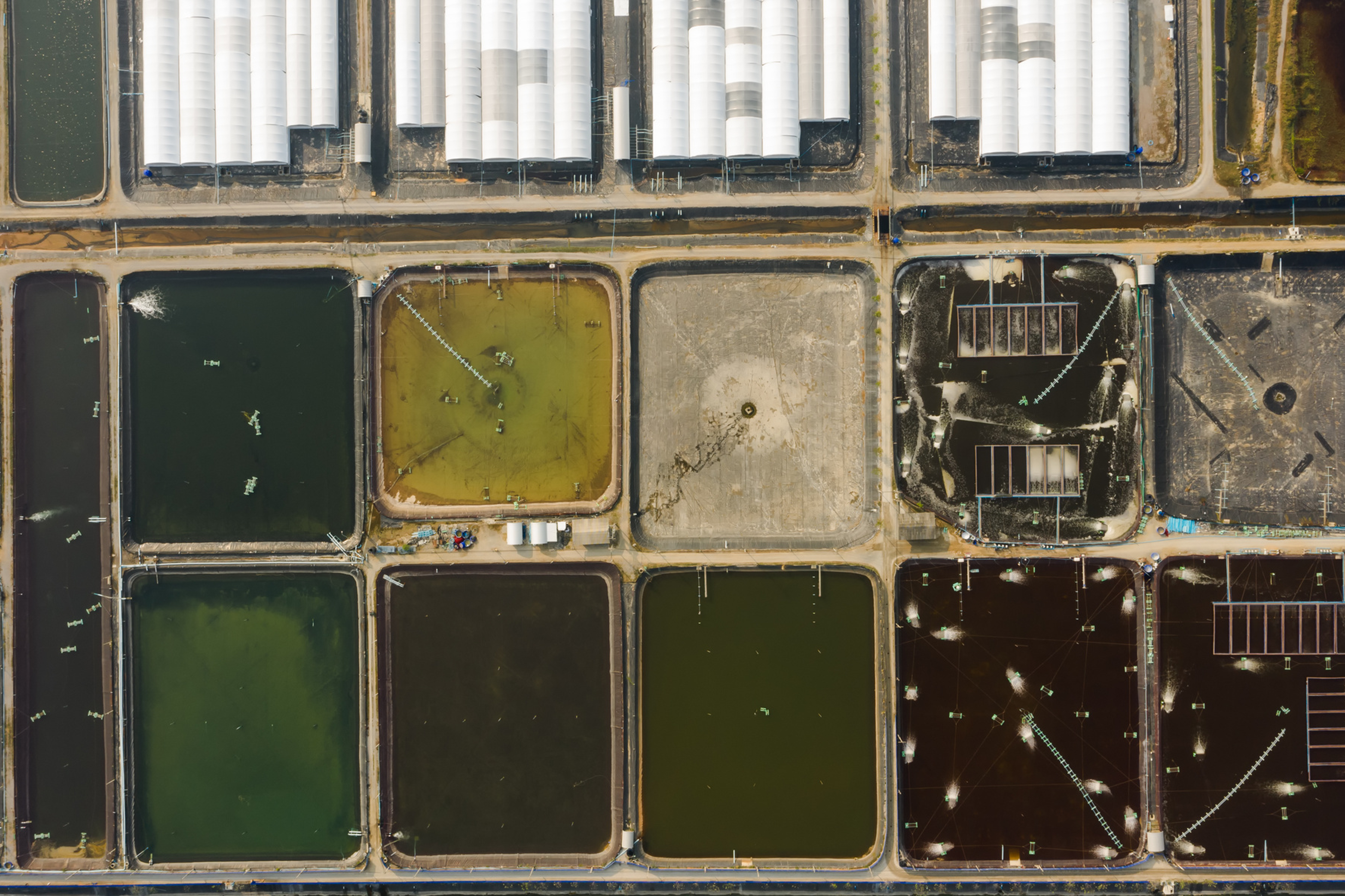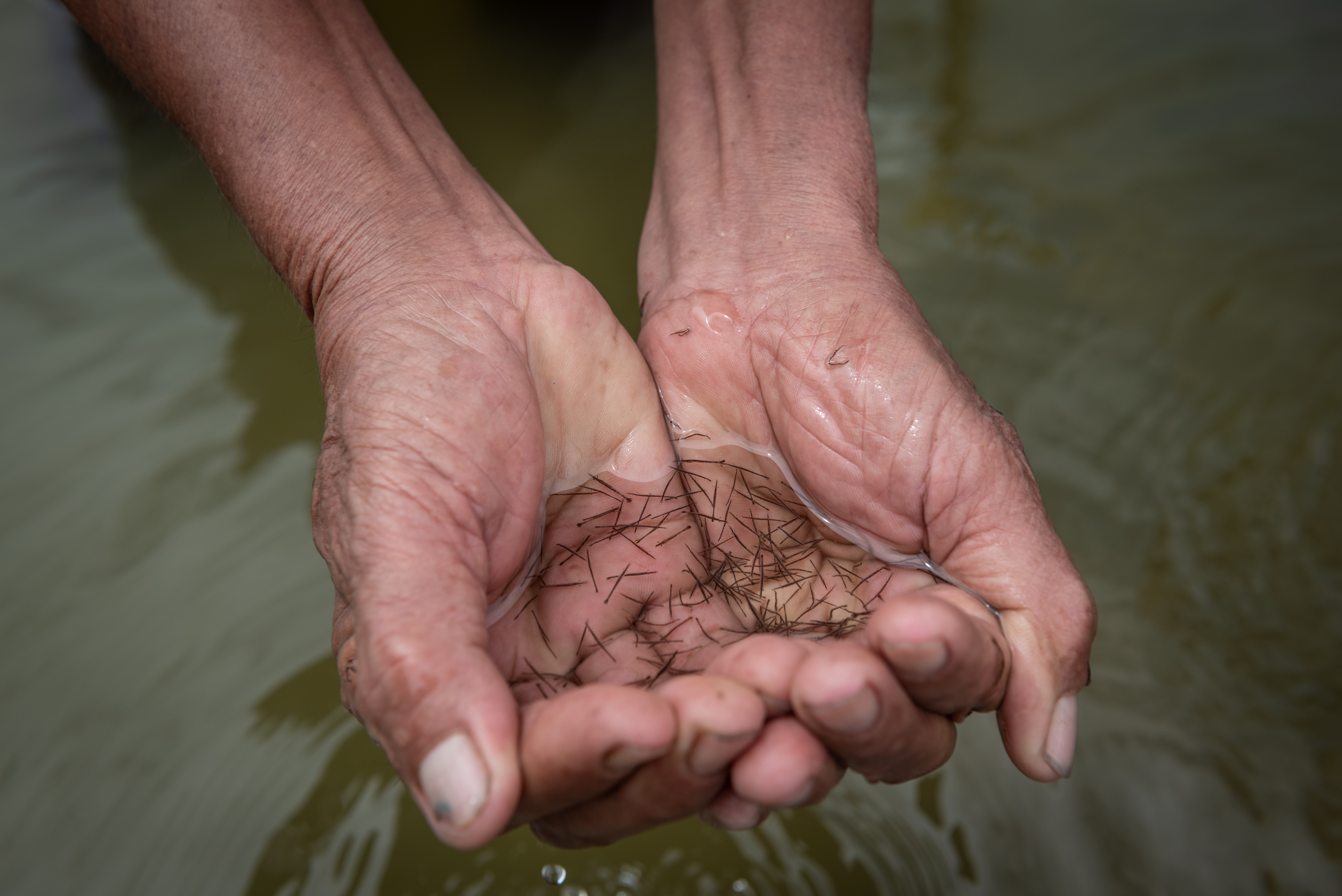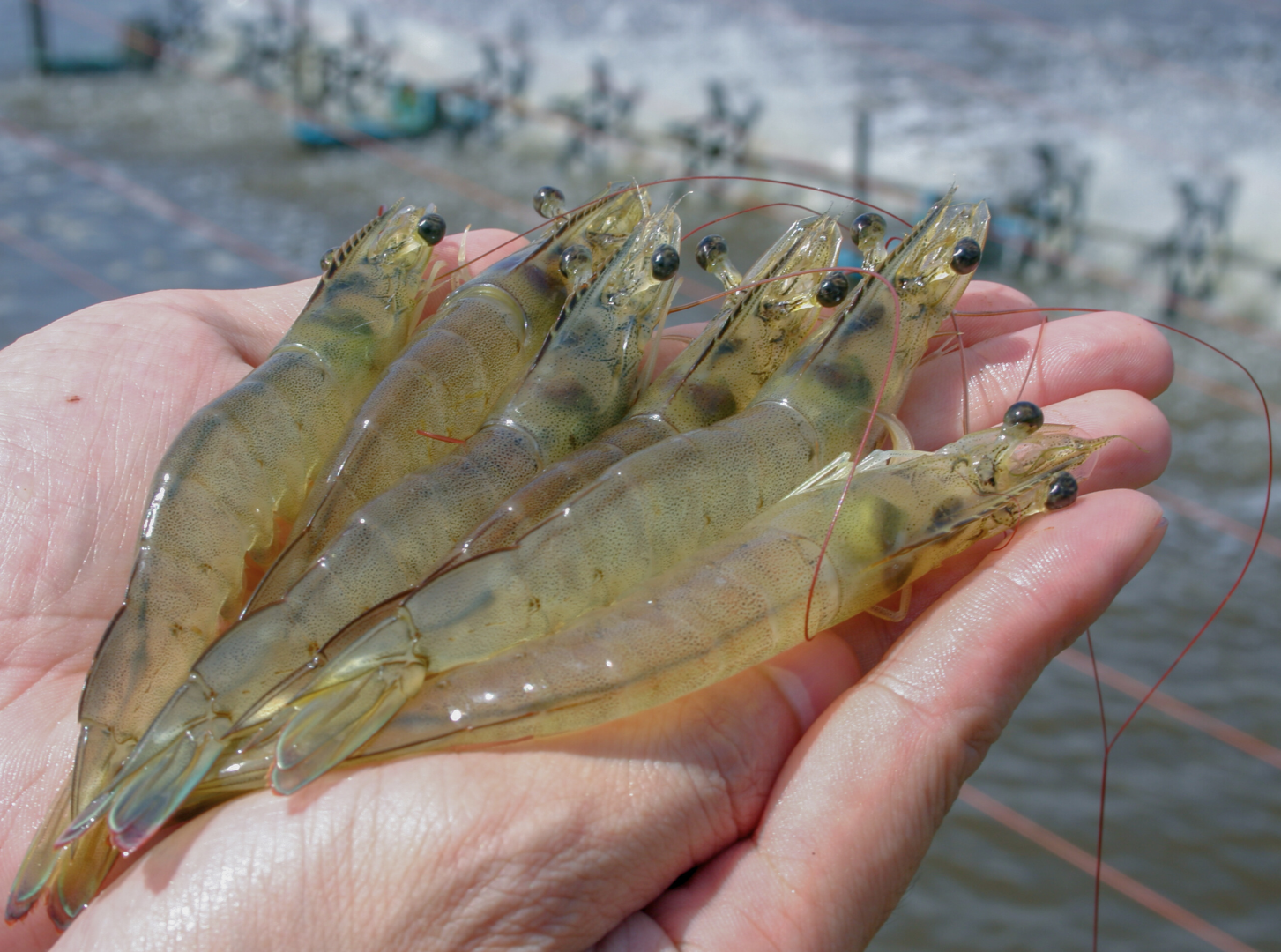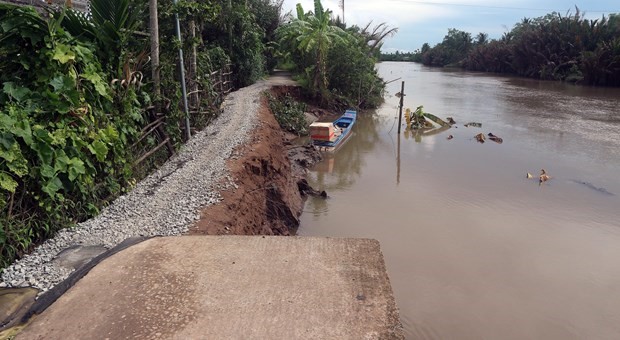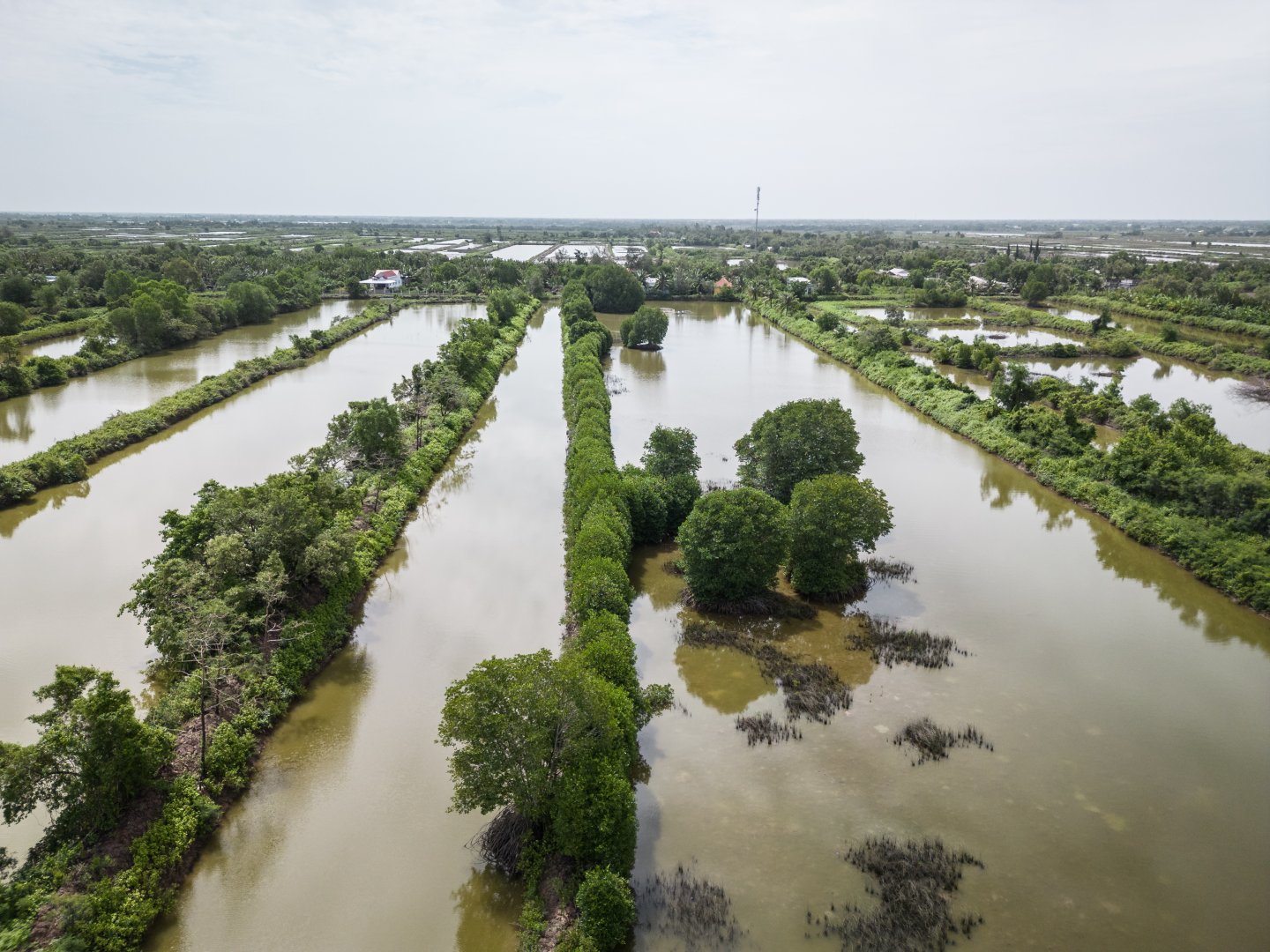
Acute Hepatopancreatic Necrosis Disease spreads rapidly, has a high mortality rate, and has persisted for many years in the shrimp farming areas of Sóc Trăng, causing significant losses.
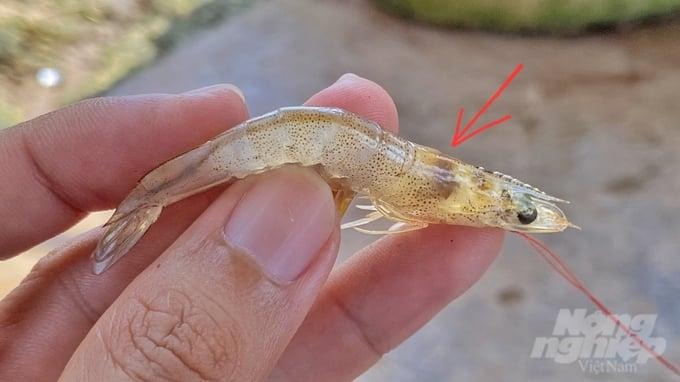
Shrimp samples were found to be positive for Acute Hepatopancreatic Necrosis Disease. Photo: Kim Anh.
As of early July 2024, the brackish water shrimp farming area in Sóc Trăng reached over 32,000 hectares. The damaged shrimp farming area recorded nearly 1,200 hectares, of which nearly 500 hectares were due to shrimp diseases, with Acute Hepatopancreatic Necrosis Disease accounting for the largest proportion.
According to the Sub-Department of Livestock Production and Animal Health of Sóc Trăng Province, Acute Hepatopancreatic Necrosis Disease spreads rapidly and has a high mortality rate, which may reach up to 90% within 3–5 days after disease detection. Therefore, preventive and disease control measures are being widely disseminated by specialized agencies to each farming area in order to minimize impacts on production efficiency.
In the farming areas of Cù Lao Dung District, the brackish water shrimp stocking area in 2024 decreased compared to the same period last year, reaching nearly 2,400 hectares. Environmental and weather impacts have made farmed shrimp more susceptible to disease. Meanwhile, farm-gate prices of commercial shrimp have remained saturated at low levels, which are the main reasons farmers have been hesitant to invest in the production season.
Mr. Đặng Quốc Chí, Deputy Head of the Division of Agriculture and Rural Development of Cù Lao Dung District, stated that in order to strengthen disease warning and prevention efforts, the unit has coordinated with the provincial livestock production and animal health sector to assign officers to conduct regular water quality monitoring at two fixed sites within Cù Lao Dung District.
In the farming areas of Mỹ Xuyên District, the Division of Agriculture and Rural Development has advised farmers to stock shrimp on a trial basis, to carefully implement pond preparation procedures, and to thoroughly analyze pH, salinity, and other indicators prior to stocking.
To date, Mỹ Xuyên District has stocked 15,000 hectares of brackish water shrimp, reaching approximately 80% of the planned target. Although the damaged area currently accounts for 4.5% of the total stocked area, it remains within a safe threshold amid the increasingly complex disease situation.
Recently, the Division of Agriculture and Rural Development of the district collected 117 samples of damaged shrimp and submitted them to the Sub-Department of Livestock Production and Animal Health of Sóc Trăng Province for testing and pathogen screening. The results showed that 17 samples tested positive for Acute Hepatopancreatic Necrosis Disease.
To strengthen disease prevention and control measures in farmed shrimp, the district’s agricultural sector has provided 3 tons of Chlorine to farmers for treating affected shrimp ponds to prevent large-scale spread.

The progress of brackish water shrimp stocking in 2024 in Cù Lao Dung District is slower compared to the same period last year. Photo: Văn Vũ.
To date, farmers’ experience in preventing Acute Hepatopancreatic Necrosis Disease has shown significant improvement. At Hưng Phú Aquaculture Cooperative, An Thạnh 3 Commune, Cù Lao Dung District, in addition to upgrading and improving production processes, farmers strictly adhere to the principle of “cultivating water before cultivating shrimp.”
They apply shrimp farming under a water recirculation system, combined with prioritizing the use of probiotics. Before stocking into farming ponds, shrimp postlarvae are nursed in lined ponds for approximately 30 days, then transferred to net ponds, at which stage the shrimp have developed stronger resistance.
According to Mr. Trần Quang Cần, Director of Hưng Phú Aquaculture Cooperative, this approach enables farmers to better control the water environment, manage production effectively, and prevent Acute Hepatopancreatic Necrosis Disease in farmed shrimp.
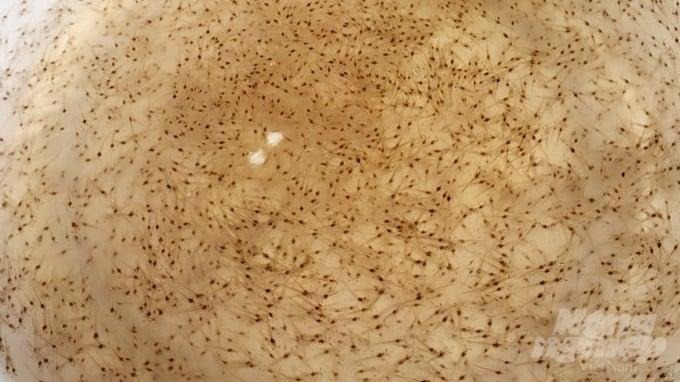
Organoleptic inspection combined with PCR testing is conducted to eliminate batches of shrimp seed carrying pathogens. Photo: Kim Anh.
In the first six months of 2024, the Sub-Department of Livestock Production and Animal Health of Sóc Trăng Province collected 227 samples for disease surveillance from damaged shrimp ponds. The results showed that 53 samples tested positive for Acute Hepatopancreatic Necrosis Syndrome.
The specialized sector assessed that Acute Hepatopancreatic Necrosis Disease has circulated for many years in the farming areas, becoming one of the primary factors causing damage to the province’s brackish water shrimp farming area.
Mr. Tran Tuan Phong, Head of the Livestock Production and Animal Health Division under the Sub-Department of Livestock Production and Animal Health of Sóc Trăng Province, recommended that during pond preparation, farmers should completely remove black sludge remaining from the previous crop. At the same time, all crustaceans (crabs, small crabs, wild shrimp, etc.) that may carry pathogens must be eliminated.
In addition, separate water supply and drainage systems should be established, including sedimentation ponds and water treatment ponds. Water sources before and after use must be treated to eliminate pathogens using chemicals permitted by the Ministry of Agriculture and Rural Development. Water supplied to ponds must be filtered through fine mesh screens to prevent eggs and larvae of disease-carrying crustaceans from entering.
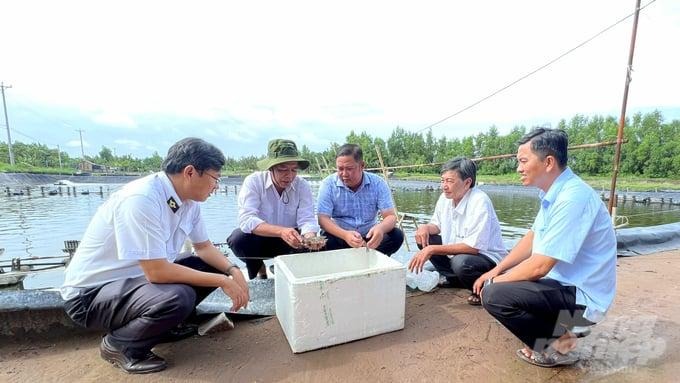
The Sub-Department of Livestock Production and Animal Health of Sóc Trăng Province inspects and provides guidance to shrimp farmers on measures to prevent Acute Hepatopancreatic Necrosis Disease. Photo: Văn Vũ.
In cases where shrimp are found to be positive for Acute Hepatopancreatic Necrosis Disease, the “Three No’s” principle must be implemented: no concealment of outbreaks; no discharge of untreated wastewater; and no disposal of dead or diseased shrimp into the environment.
In the coming weeks, the brackish water shrimp stocking area in Sóc Trăng is likely to increase significantly in order to promptly supply raw shrimp materials for processing and export. To achieve the desired farming efficiency, specialized agencies recommend that farmers make thorough preparations in all aspects before commencing the new production season.