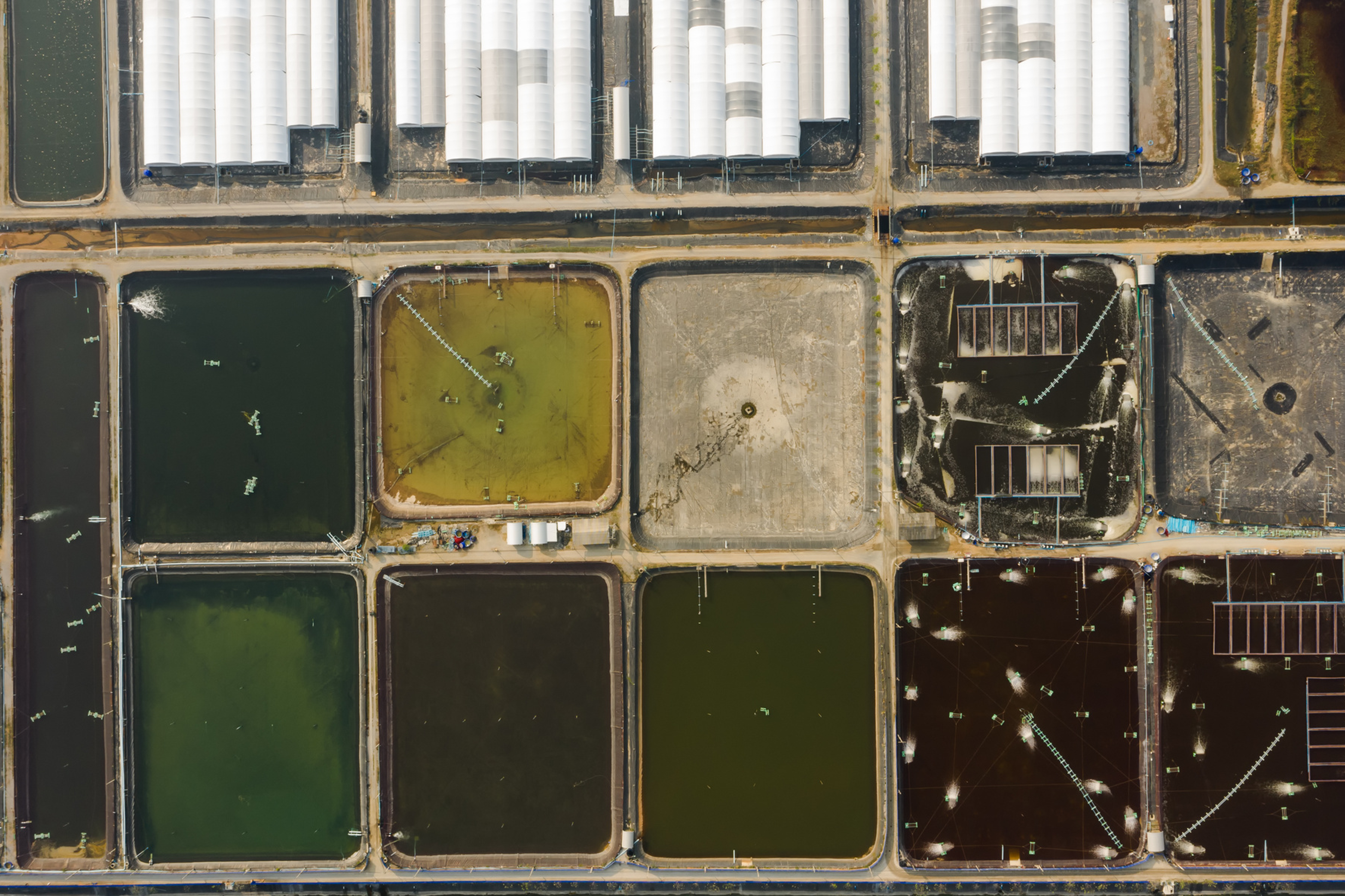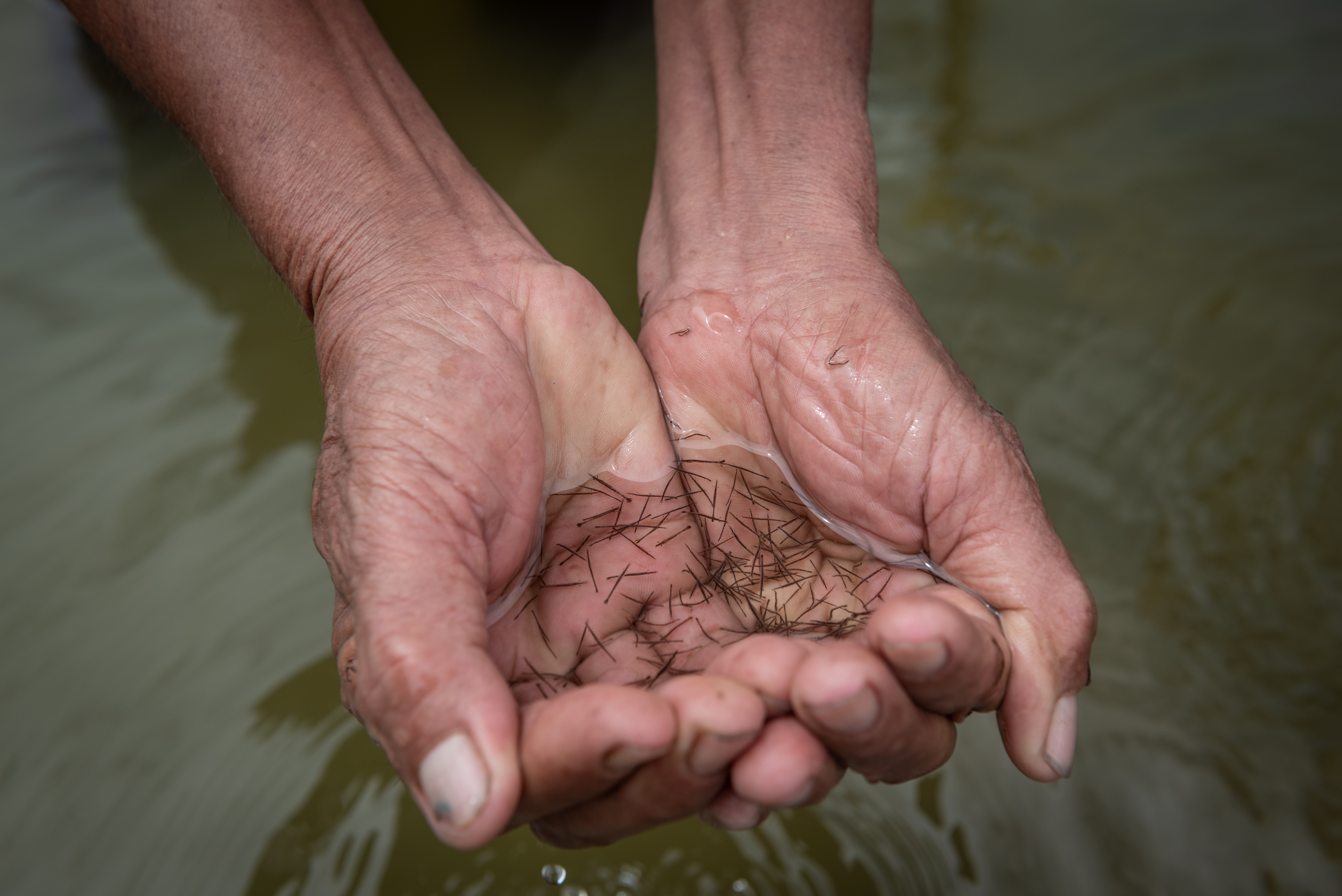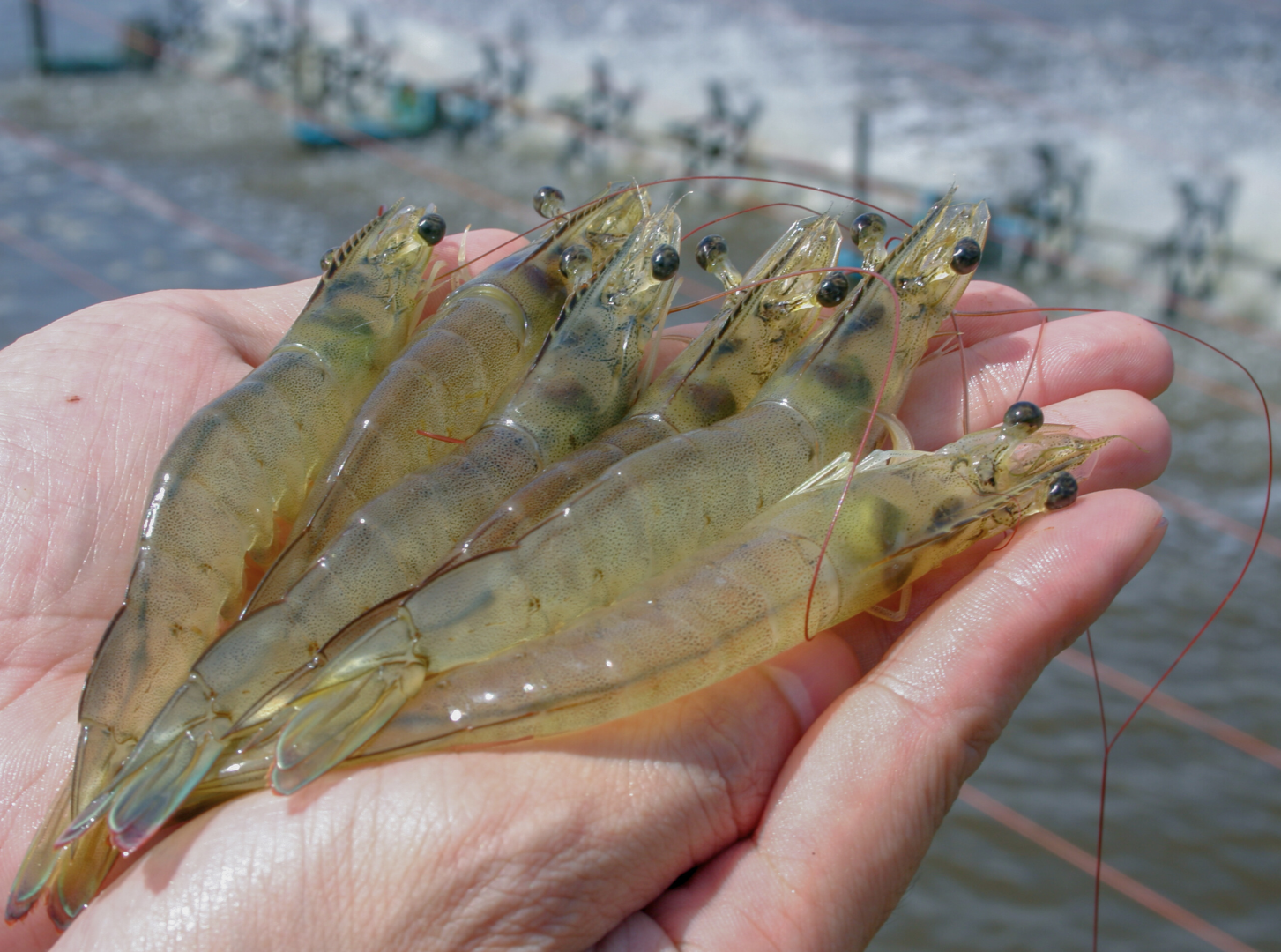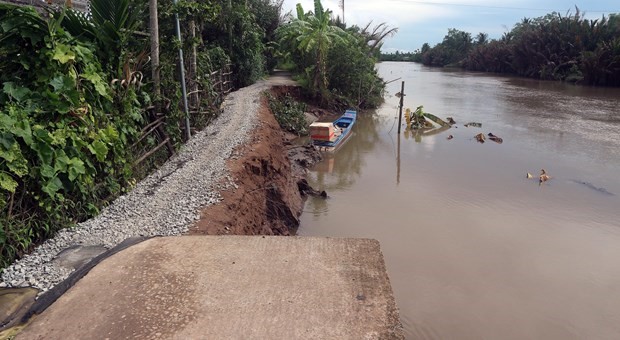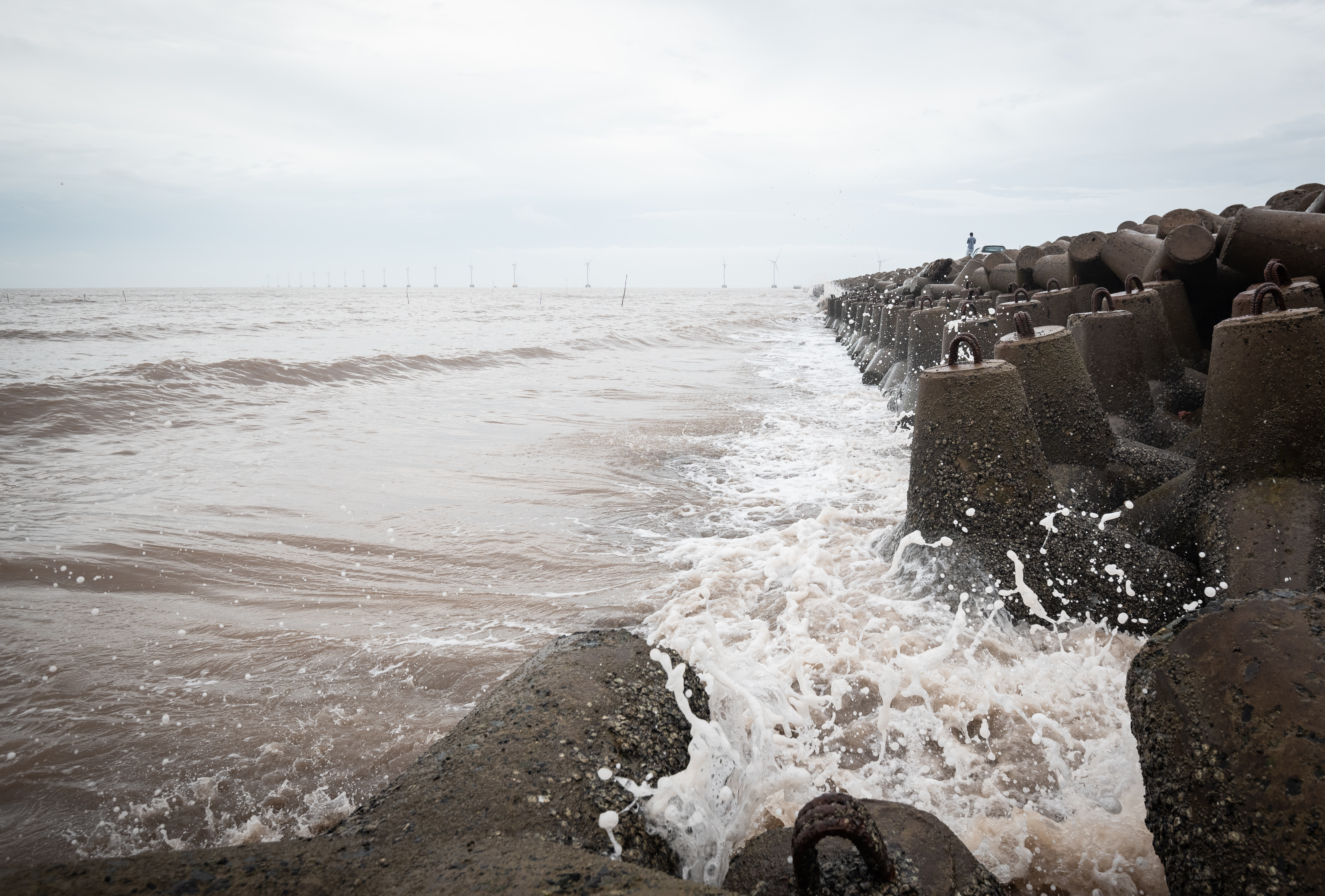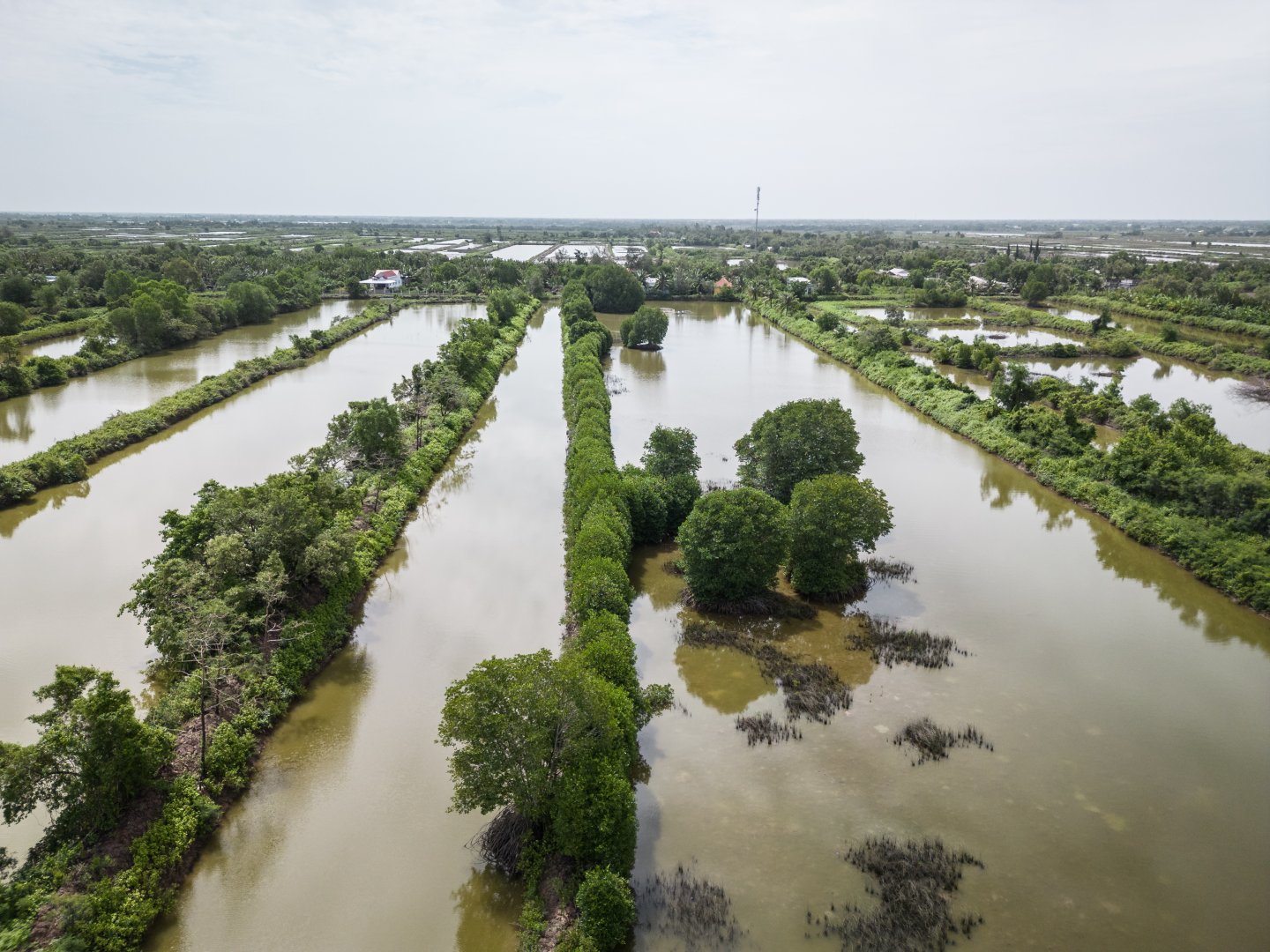
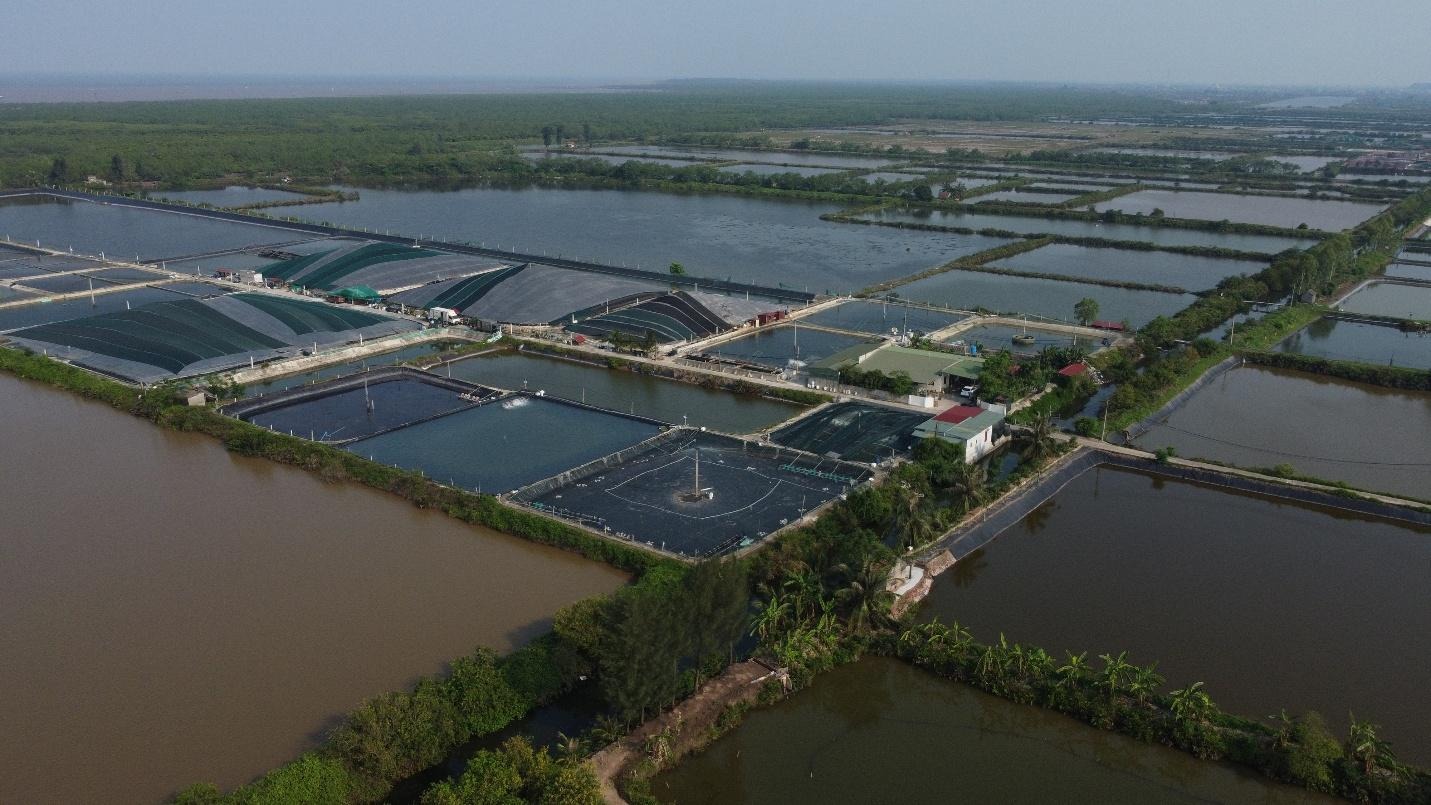
The circular economy in shrimp farming is a strategic approach that enables the Vietnamese shrimp sector to address water pollution issues, reduce emissions, and mitigate the risk of being subject to emission-related taxes in export markets.
The “circular economy” is encouraged as a replacement for the “linear economy” model, in order to conserve finite resources and minimize negative environmental impacts.
Warning on CO₂ Emissions from Intensive Shrimp Farming
All stages serving the industrial shrimp sector currently generate direct or indirect greenhouse gas emissions, including: feed consumption and waste from the farming process; electricity consumption for system operation; organic decomposition emissions from shrimp ponds and shrimp waste; logistics (transportation of inputs for shrimp farming); chemicals used for treatment that cause environmental pollution; and solid waste (plastic containers, plastic bottles, cartons, packaging, etc.).
According to a study on whiteleg shrimp farming activities in Vietnam conducted by WWF-Viet Nam (World Wide Fund for Nature in Viet Nam), with land resource use of 0.48 ha/ton of shrimp; water resource use of 2,041 m³/ton of shrimp; pellet feed use with a feed conversion ratio (FCR) of 1.36; and electricity consumption of 8,844 kWh/ton of shrimp, the average productivity per crop is 7.35 tons/ha/year. At the same time, the farming process discharges the entire volume of water used—2,041 m³/ton of shrimp—into the environment; emits 500 tons of CO₂ equivalent/ha*, approximately 68.3 tons of greenhouse gas emissions per ton of shrimp. In addition, this activity also generates solid waste from siphoning processes, shrimp shells, dead shrimp, and related sources.
In another study conducted by the Research Group of the Faculty of Environment and Natural Resources, Can Tho University, measurements of greenhouse gas emissions from shrimp ponds in Đông Hải District, Bạc Liêu Province showed that the intensive shrimp farming model emits greenhouse gases 15 times higher than the extensive shrimp farming model. Specifically, on average, 1 ha of intensive shrimp ponds annually emits approximately 500 tons of CO₂ into the environment. Of this total, electricity and feed are the two primary emission sources, with electricity consumption contributing 82% and feed contributing 18% of total greenhouse gas emissions.
Aquaculture and seafood processing are also sectors that generate environmental pollution, with various types of emissions such as wastewater, exhaust gases, and solid waste. The seafood processing industry is classified at Level III - the highest level - in the list of production, business, and service activities with risk of environmental pollution promulgated together with Decree No. 08/NĐ-CP detailing a number of articles of the 2020 Law on Environmental Protection. According to a study by the Research Institute for Marine Fisheries in 2020, frozen seafood processing, for every 1 ton of finished shrimp product, 0.75 tons of waste are generated. The corresponding figures are 1.8 tons and 8 tons of waste per 1 ton of pangasius fillet and 1 ton of bivalve mollusks (clams, cockles, etc.), respectively. Wastewater is also a major issue for the fisheries sector due to high pollution indicators, particularly among small-scale farming facilities that misuse chemicals and antibiotics in aquaculture production.
According to an assessment study by Skretting Vietnam, shared at VietShrimp 2024, preliminary research indicates that Vietnam’s shrimp farming system has not yet met sustainability standards, with emission levels exceeding 10 kg CO₂/kg of shrimp.
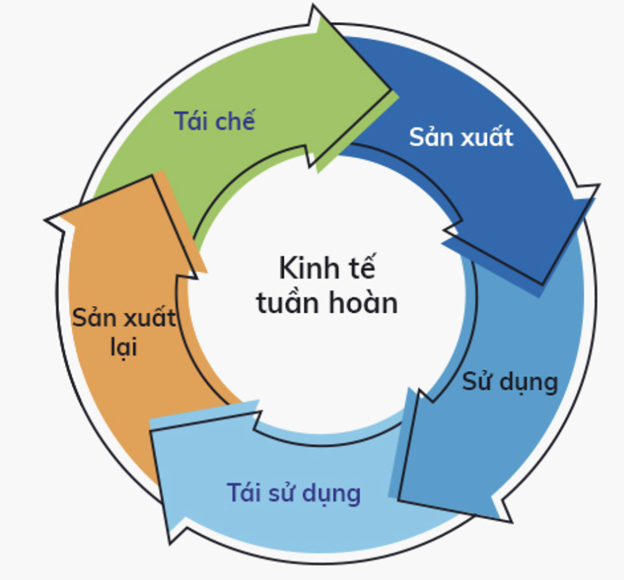
Source: Central Institute for Economic Management (Ministry of Planning and Investment)
The circular economy is no longer a new concept.
Based on these realities, the “Project on Environmental Protection in Fisheries Activities for the Period 2021–2030” has been promulgated with the overall objective of controlling and preventing pollution; addressing environmental incidents; developing aquatic resources; mitigating greenhouse gas emissions; enhancing climate change adaptation capacity; and building and developing green economy and circular economy models for the fisheries sector.
The core principle of the circular agricultural economy is to reduce costs, minimize input material consumption, reduce output emissions, and process and reuse livestock waste and crop by-products; thereby creating a closed-loop cycle among the sectors of livestock production, crop cultivation, aquaculture, processing, and the conversion of agricultural by-products into products with high quality standards and added value.
The circular economy in shrimp farming applies the principle of optimizing inputs and maximizing outputs. This is implemented through several solutions, such as the use of renewable energy sources (solar, wind, biogas) to reduce energy costs, combined with roofing systems to stabilize temperature and the use of efficient aeration; the application of closed recirculating farming technologies such as biofloc and biogas systems to directly reuse nutrients from waste and leftover feed, thereby reducing FCR; reducing wastewater treatment costs; and closed-loop recirculating technologies such as biogas–aquaponics and seaweed–fish–biogas/mangrove systems to minimize disease transmission risks, generate additional income from fish and seaweed, reduce wastewater treatment costs, and absorb carbon. However, the effective application of these solutions requires advanced and meticulous technical expertise.
To reduce greenhouse gas emissions from shrimp ponds, the research team from the Faculty of Environment and Natural Resources, Can Tho University has guided farmers to focus on reducing electricity consumption, utilizing renewable energy sources, and applying biogas digestion to treat pond waste. At the same time, adjustments have been made to feeding practices, stocking density, and water treatment systems to ensure reduced shrimp mortality rates. After nine months of implementing these measures in Bạc Liêu, greenhouse gas emissions from shrimp ponds decreased by 17% for the extensive shrimp farming model and by nearly 11% for the intensive shrimp farming model.
The “Major Players” in the Shrimp Industry and Corporate Social Responsibility
Reducing greenhouse gas emissions helps ensure compliance with environmental criteria in line with the international certifications that Viet Nam has committed to implementing. It also ensures eligibility to compete internationally based on low-emission shrimp farming standards. At the same time, this is our responsibility to the environment, particularly to water resources. These efforts contribute to reducing disease impacts, thereby lowering production costs and improving the quality of raw shrimp. The application of a circular economy is an effective solution that enables the fisheries sector to both minimize negative environmental impacts and generate substantial economic benefits. Several practical models implemented by the business community have demonstrated this.
For example, many major seafood companies such as Skretting Vietnam, De Heus, Minh Phu, Thang Long, and Vietnam Food (VNF) are investing in research and development toward net-zero emission aquaculture.
Speaking at the VietShrimp 2024 conference, a representative of Skretting stated that raw materials used in feed are the primary source of emissions, accounting for 94% of environmental impact. To reduce emissions, Skretting has implemented three key actions: prioritizing raw material suppliers committed to science-based targets with measurable emission indicators; shifting toward alternative ingredients with lower carbon content; and minimizing land-use change.
“This is not a simple journey, and we need to approach it from a life cycle thinking perspective, considering all environmental and social impacts arising from our choices. There is no benefit in developing low-carbon footprint diets if they negatively affect fish or shrimp productivity. We must ensure that the solutions we bring to market generate not only profits for the company but also benefits for our suppliers and farmers,” the Skretting representative emphasized.
As a pioneer in the sustainable shrimp farming movement, the MP-Bio biological process proposed by Minh Phu Seafood Group addresses emission sources and provides directions for waste reutilization within a circular economy framework. This process introduces breakthrough features such as minimizing chemical use, eliminating chlorine in water treatment; reducing toxic gas generation during feed and waste treatment; self-oxygen regeneration; limiting water exchange; utilizing fermented shrimp waste; and ultimately reducing electricity consumption.
In its latest strategy, De Heus Group has pioneered the adoption of sustainable development and circular economy solutions in the shrimp sector. De Heus emphasizes the production of high-quality shrimp at lower costs through the transfer of efficient and sustainable farming models using advanced technologies to enhance production efficiency while achieving lower carbon emissions.
As one of the pioneering models applying circular economy practices in the Vietnamese shrimp sector, VNF Group has long adopted biotechnology aligned with zero-waste production to maximize nutrient recovery from shrimp by-products and reduce the burden of wastewater treatment. As a result, the company has successfully developed a unique and diversified product portfolio with high commercial value derived solely from shrimp by-products as the primary input.
It is evident that the circular economy in shrimp farming is becoming a trend of interest among scientists, enterprises, and shrimp farmers. However, for this model to be fully effective, additional incentive mechanisms and policy support are required to encourage stakeholder participation, particularly from enterprises.
Phạm Huệ
Publication date: 06/05/2024
Source: https://khoathuysan.vnua.edu.vn/kinh-te-tuan-hoan-trong-thuy-san-goc-nhin-tu-nganh-tom.html