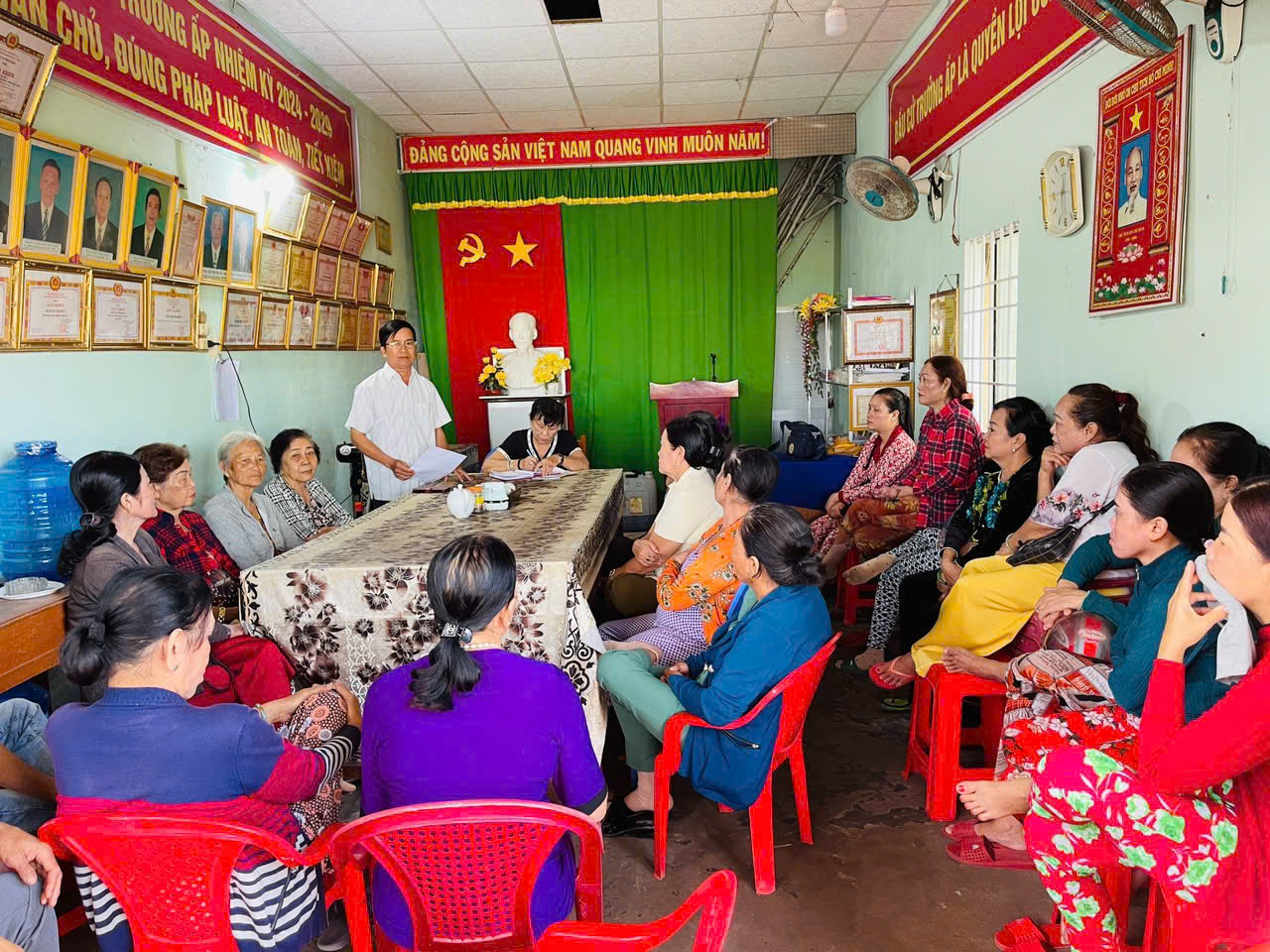
Q&A Forum and Experience Sharing

Q&A Forum and Experience Sharing

Topic: TRACEABILITY

Question:

What information should farmers prepare to meet traceability requirements for export markets?

Expert answer:

Farmers should maintain complete and consistent records, including: the origin of post-larvae, stocking dates, types of feed used, environmental monitoring logs (pH, salinity, temperature), all veterinary drugs or biological products applied, and withdrawal periods prior to harvest. These records must be updated regularly and clearly dated. Digitalizing data on the platform helps reduce inspection risks and increases the ability to participate in export supply chains.

Topic: ESG

Question:

Is ESG relevant for small-scale farmers, and where should they begin?

Expert answer:

ESG is not only for large enterprises. Small-scale farmers can start with simple and practical steps: managing water and waste in accordance with regulations; keeping honest records of feed, veterinary inputs, and production; and ensuring occupational safety for workers at the farm. The most important principle is to do the right things and document them clearly. This forms the foundation for building credibility with buyers and maintaining stable market access.

Topic: DISEASE

Question:

How can Acute Hepatopancreatic Necrosis Disease (AHPND) be prevented in the absence of a vaccine?

Expert answer:

Prevention remains the most effective strategy. Farmers should select post-larvae with clear quarantine certification and conduct testing before stocking. Intake water must be thoroughly treated to eliminate pathogens and control carriers such as crabs and other vectors. Maintain a clean pond bottom through regular siphoning and stable pH and alkalinity levels. The overuse of antibiotics should be avoided; instead, promote the use of probiotics and proper feed management to protect the shrimp digestive system.

Topic: ENVIRONMENT

Question:

During prolonged heatwaves, when salinity and pond temperature rise significantly, how should environmental management be adjusted to minimize stress for shrimp?

Expert answer:

Under extreme heat conditions, priority should be given to stabilizing the pond environment rather than making abrupt changes. Farmers should maintain a minimum water depth of 1.2–1.5 meters to reduce temperature fluctuations. Increase aeration and paddlewheel operation in the late afternoon and early morning to prevent oxygen depletion. Salinity should be monitored daily; any adjustment must be gradual (no more than 2–3‰ per day). Feed management is also critical. Avoid overfeeding to prevent the accumulation of toxic gases. The supplementation of minerals and vitamin C can help strengthen shrimp resilience during periods of environmental stress.

Have another question?

Submit your question and get answers from our technical team.