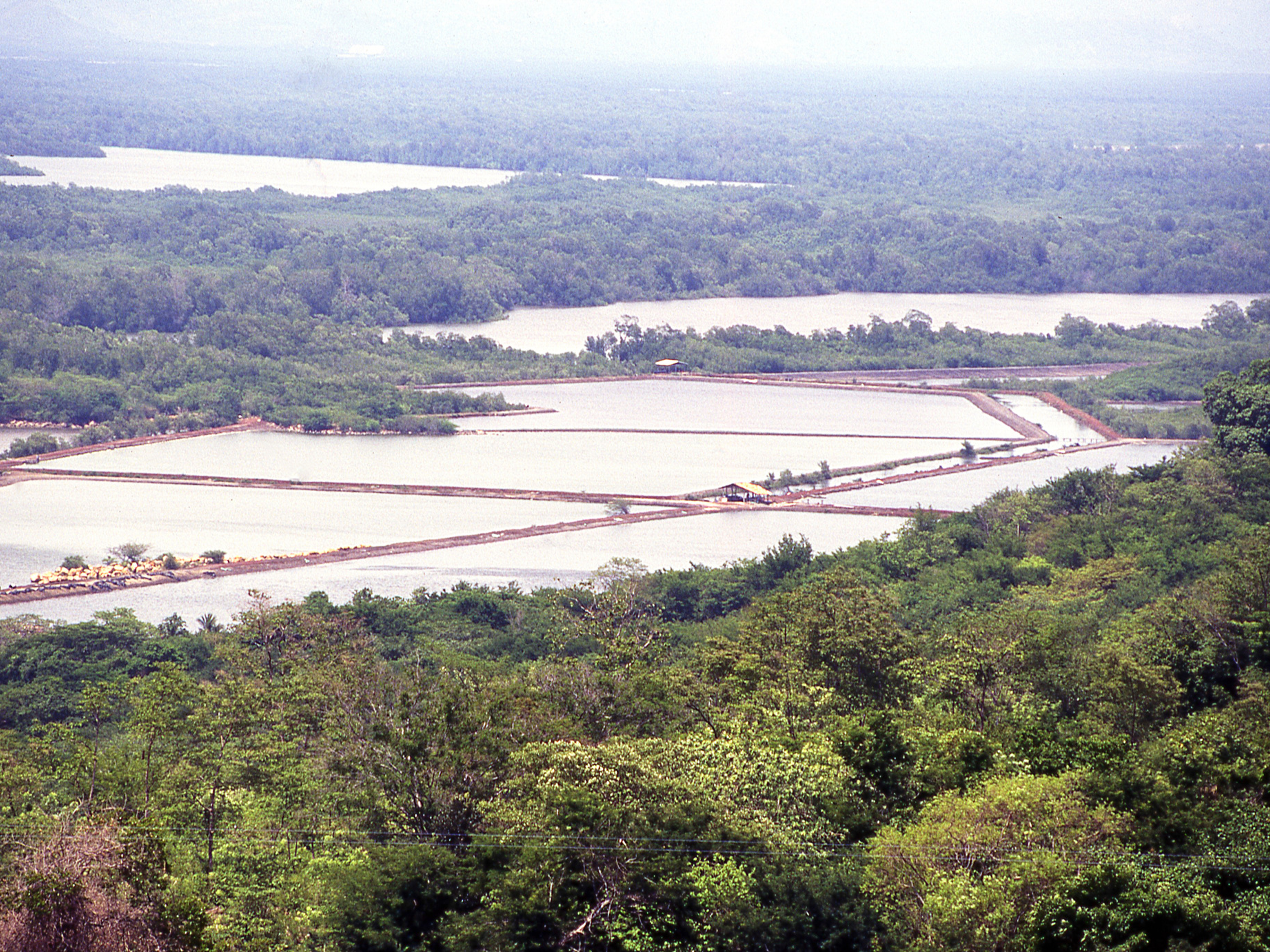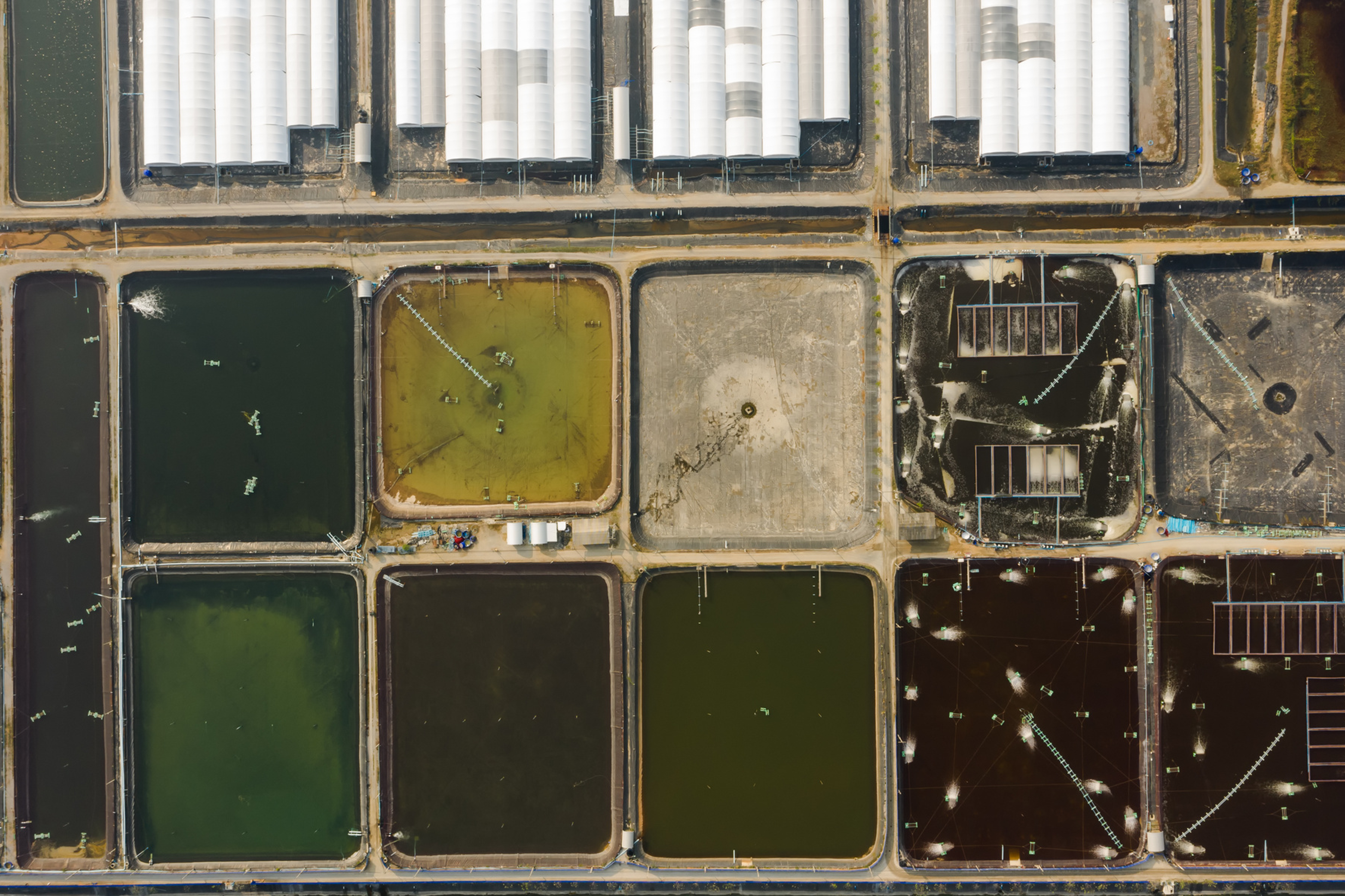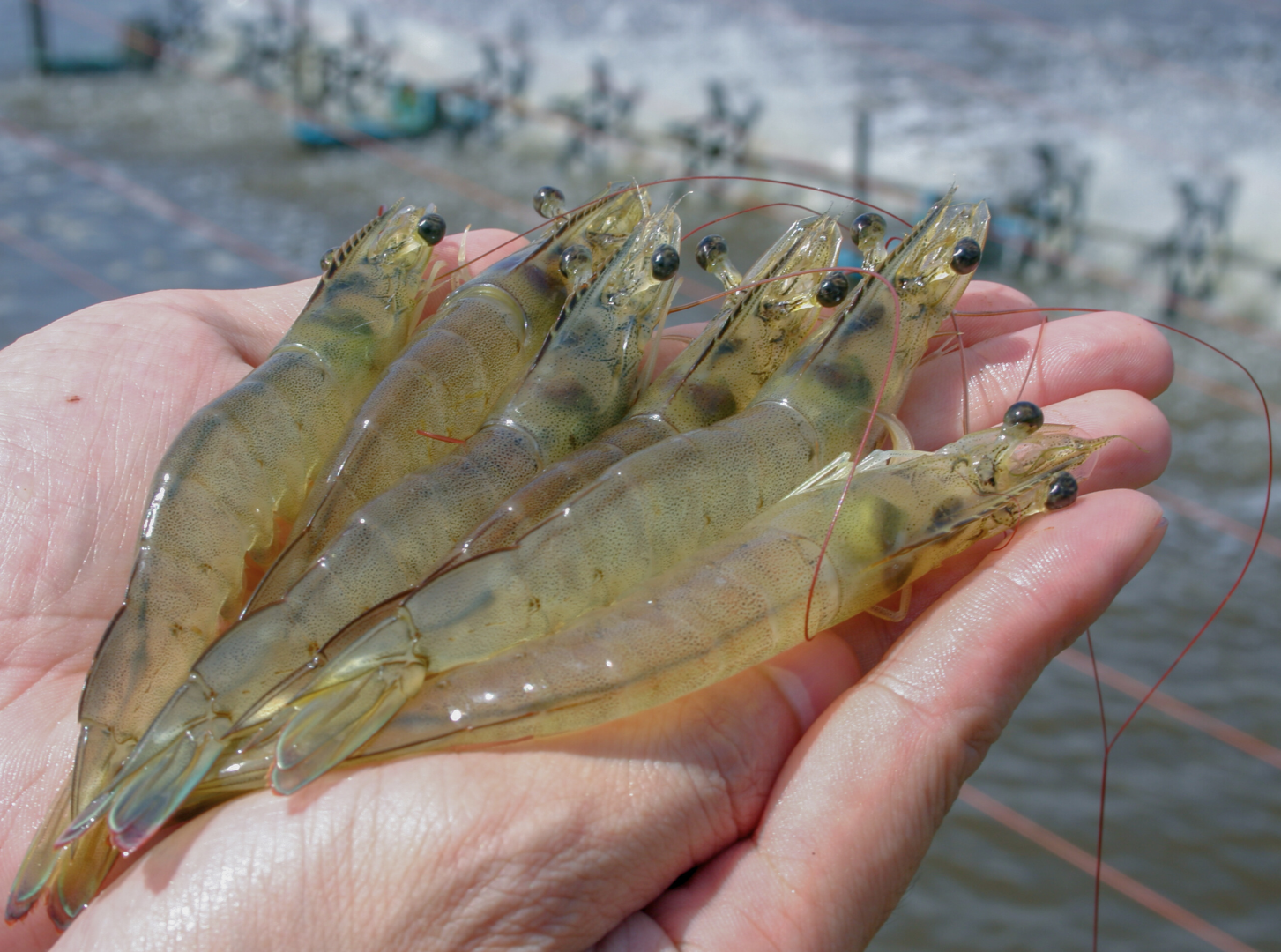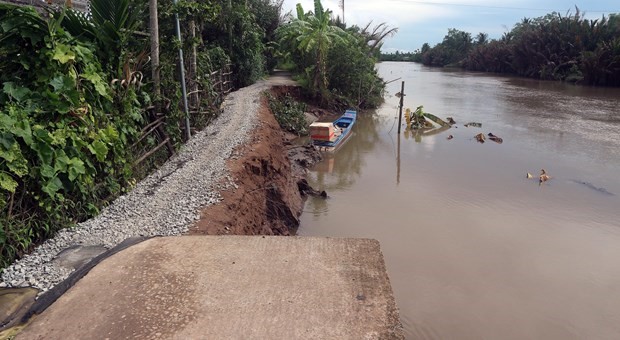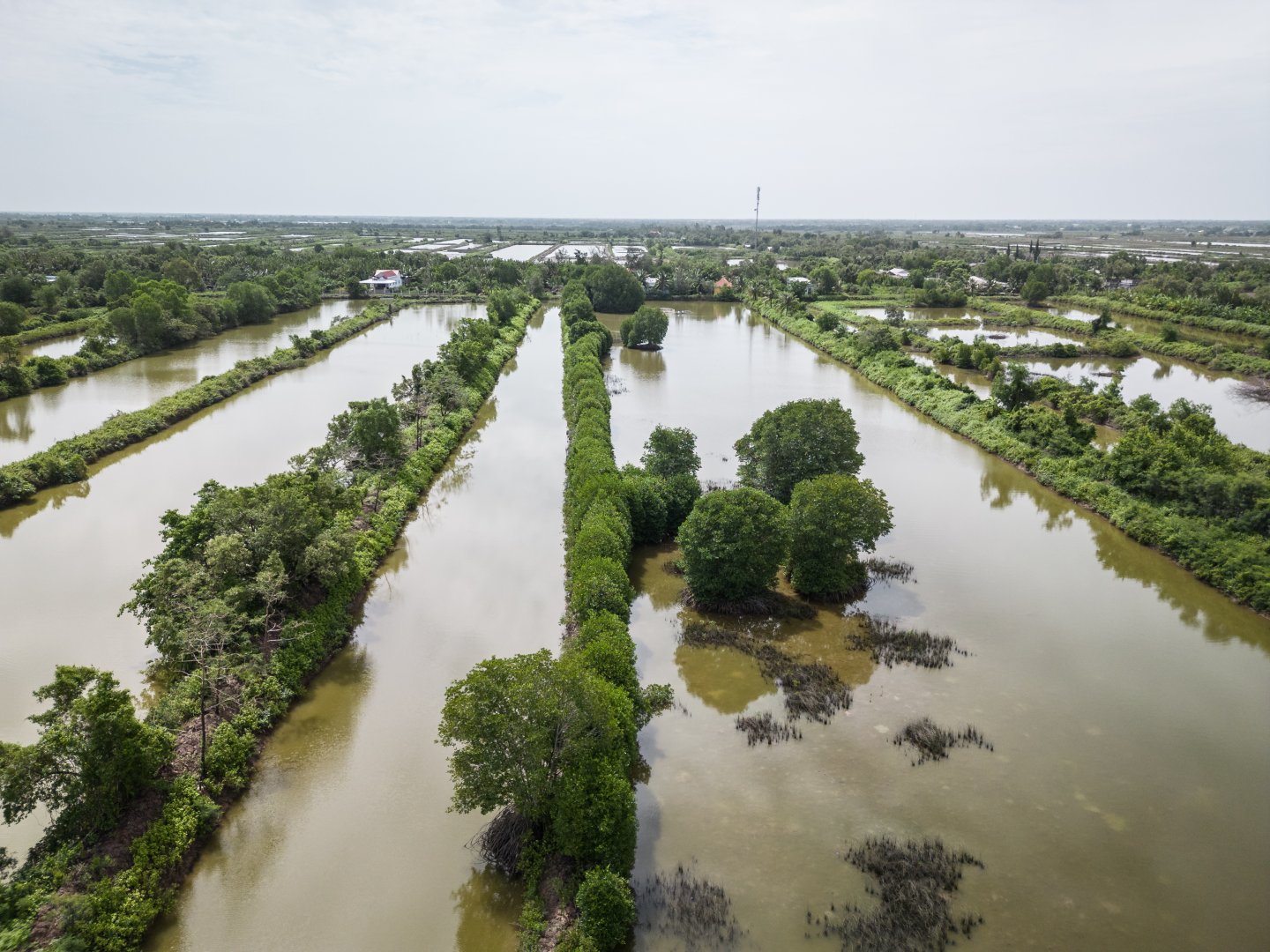
The Department of Animal Health stated that in the first month of 2025, as well as throughout 2024, diseases continued to cause significant losses to farmed shrimp, mainly due to five diseases for which no vaccines or specific treatments are currently available. Therefore, proactive disease prevention is of paramount importance in order to minimize damages.
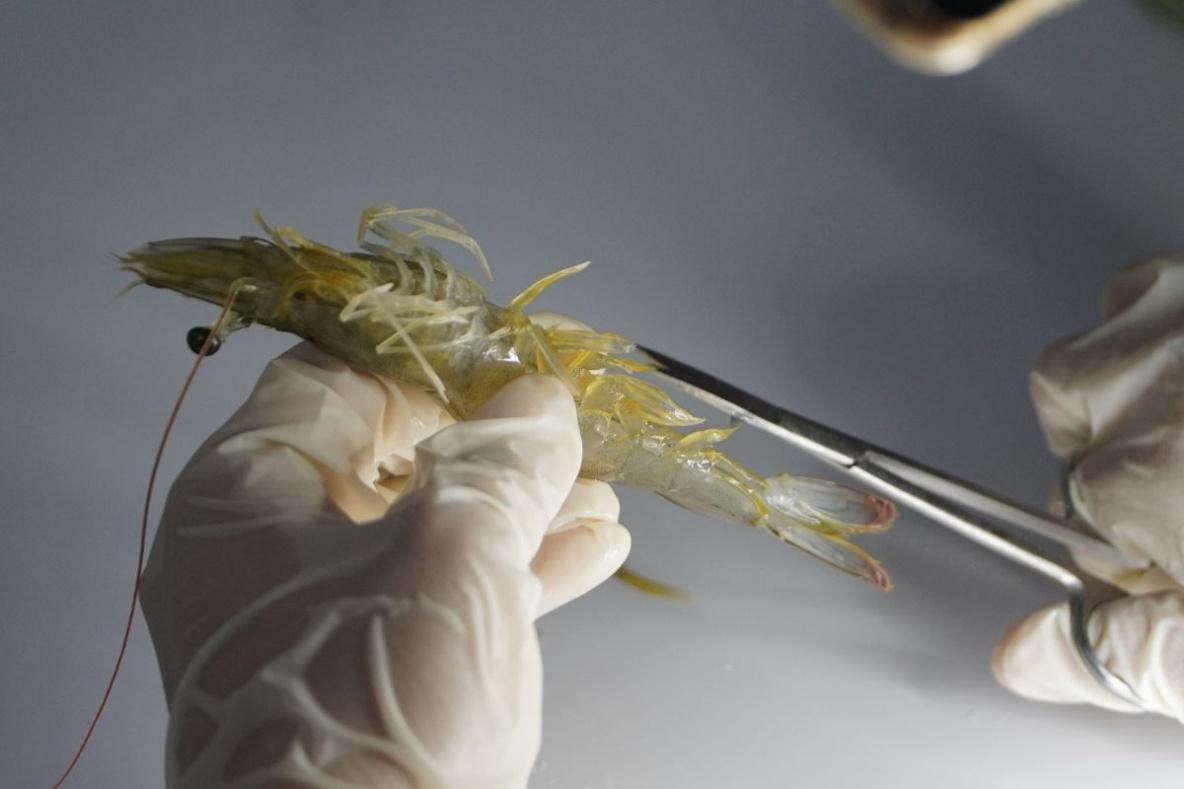
In the first month of 2025, as well as throughout 2024, diseases continued to cause significant losses to farmed shrimp.
1. Acute Hepatopancreatic Necrosis Disease (AHPND)
The area of shrimp affected by AHPND accounts for 28.9% of the total shrimp area impacted by disease. Of this, whiteleg shrimp account for 76.1% of the AHPND-affected area, while black tiger shrimp account for 23.9%. Shrimp are primarily affected at stages under 60 days after stocking. Intensive and semi-intensive farming areas account for 95.6% of the diseased shrimp area; the remainder consists of extensive, improved extensive, and rice–shrimp farming systems.
The disease is caused by the bacterium Vibrio parahaemolyticus. Surveillance results indicate that the bacterium is prevalent in seed stock, fresh feed, and the aquatic environment in many farming areas; it has been detected in hatcheries and commercial shrimp farms across various production models. Most of the localities under surveillance have tested positive for AHPND.
The Directorate of Fisheries emphasized: “Currently, there is no vaccine available for the prevention of AHPND. As this disease is caused by bacteria, it can be treated; however, treatment in shrimp is often costly and ineffective (as shrimp typically cease feeding). Proactive preventive measures are therefore critically important to prevent disease outbreaks.”
Vibrio parahaemolyticus can persist in the aquatic environment; therefore, treatment of water sources to eliminate this pathogen is essential. Water from infected ponds must be treated prior to discharge into the environment in order to limit the spread and transmission of pathogens throughout farming areas. Active surveillance for early detection of AHPND in shrimp seed is necessary; accordingly, farmers should prioritize the use of seed from biosecure facilities or seed that has undergone veterinary quarantine and has clear traceability.
2. White Spot Disease (WSD)
The area of shrimp affected by White Spot Disease accounts for 28.7% of the total shrimp area impacted by disease. Of this, whiteleg shrimp account for 58% of the area affected by white spot disease, while black tiger shrimp account for 42%. Shrimp are primarily affected at stages from 10 to 60 days after stocking. Intensive and semi-intensive farming areas account for 72.4% of the diseased shrimp area; the remainder consists of extensive, improved extensive, and rice–shrimp farming systems.
The Department of Animal Health stated: “Currently, there is no vaccine available for the prevention of white spot disease. As this disease is caused by a virus, there is no treatment available. Proactive preventive measures are therefore critically important to prevent disease outbreaks, particularly during seasonal transitions, weather fluctuations, and temperature drops, along with proper management of pond water quality.”
The white spot virus has circulated in many farming areas and has been detected in hatcheries, commercial shrimp farms, various farming models, and natural crustacean species. Natural crustaceans and wild shrimp may carry the pathogen and pose a high risk of transmission; therefore, intermediate hosts such as crustaceans (crabs, small crabs, shrimps, etc.) must be strictly controlled. Farmers must treat water in infected shrimp ponds before discharging it into the environment to limit the spread and dissemination of pathogens. Active surveillance has detected white spot disease in shrimp seed; accordingly, greater attention should be given to the use of seed from disease-free certified facilities or seed that has undergone veterinary quarantine and has clear traceability.
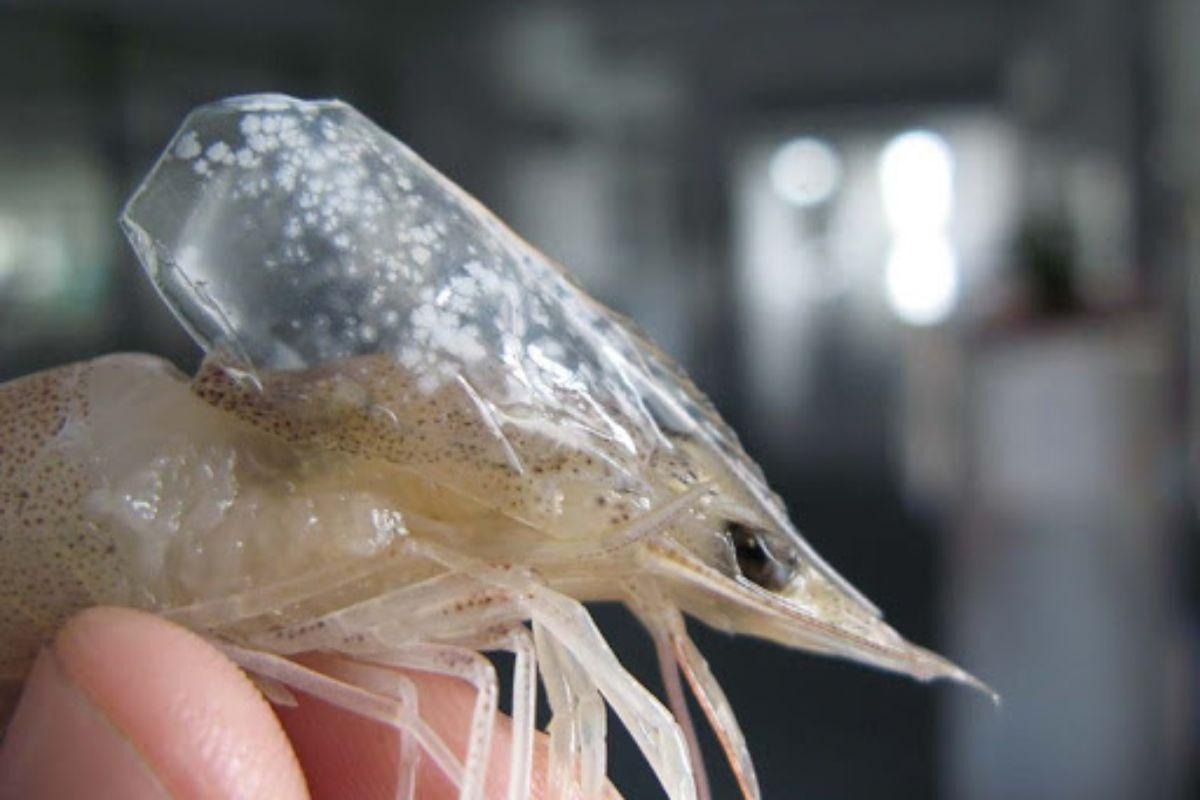
The area of shrimp affected by White Spot Disease accounts for 28.7% of the total shrimp area impacted by disease.
Photo: tonghop.kiengiang.dcs.vn
3. Infectious Hypodermal and Hematopoietic Necrosis Disease (IHHND)
IHHND causes damage on a narrower scale compared to AHPND and WSD; however, it remains one of the dangerous diseases affecting shrimp.
The Department of Animal Health stated: “Currently, there is no vaccine available for prevention. As the disease is caused by a virus, there is no treatment available. Proactive preventive measures are therefore critically important to prevent disease outbreaks.”
Active surveillance results indicate that the virus is circulating in many farming areas. The pathogen is present in natural crustacean species and poses a high risk of transmission; therefore, intermediate hosts such as crustaceans (crabs, small crabs, shrimps, etc.) must be strictly controlled. Farmers must treat water in infected shrimp ponds before discharging it into the environment to limit the spread and dissemination of pathogens.
Shrimp farming must comply with disease safety procedures for prevention and control, including the management of intermediate hosts and the enhancement of shrimp immune resistance during the culture period. Active surveillance has detected viral infections in shrimp seed; accordingly, farmers should pay greater attention to the use of seed from disease-free certified facilities or seed that has undergone veterinary quarantine and has clear traceability.
4. Microsporidiosis
Surveillance has detected that shrimp seed show a 3.9% positivity rate for microsporidiosis, while commercial shrimp samples show a 24.6% positivity rate, mainly concentrated in shrimp 10–90 days after stocking.
The disease is caused by the microsporidian EHP. Although it does not cause high mortality, it is considered one of the dangerous diseases in shrimp due to its relatively high prevalence. It does not cause shrimp death but results in stunted growth, thereby affecting economic efficiency.
The Department of Animal Health stated: “Currently, there is no vaccine available for prevention, nor is there a specific treatment method. Proactive preventive measures are therefore critically important to prevent disease outbreaks.”
Farmers must comply with disease safety procedures for prevention and control, including the management of intermediate hosts and the enhancement of shrimp immune resistance during the culture period. Water in infected shrimp ponds must be treated before being discharged into the environment to limit the spread and dissemination of pathogens. Active surveillance has detected viral pathogens in shrimp seed; accordingly, farmers should pay greater attention to the use of seed from disease-free certified facilities or seed that has undergone veterinary quarantine and has clear traceability.
5. Translucent Post-Larval Disease (TPD) in Shrimp
Since mid-2023, several farming areas have recorded cases of rapid shrimp mortality occurring 3–10 days after stocking, with signs suspected to be associated with Translucent Post-Larval Disease (TPD). The Department of Animal Health conducted epidemiological investigations, sampling, and laboratory testing to determine the cause, and preliminarily concluded: The presence of Vibrio bacteria carrying the virulence genes vhvp-1 and vhvp-2 has been detected, along with significant mortality of shrimp larvae shortly after stocking (approximately 3–10 days), showing signs suspected of TPD. Shrimp commonly die at the postlarval stage around 10 days after stocking, with mortality rates exceeding 80%, and rapid death occurring within three days. All affected shrimp were whiteleg shrimp.
The Department of Animal Health stated: “This disease is caused by Vibrio bacteria; therefore, the principles for prevention and control of TPD are similar to those applied for Acute Hepatopancreatic Necrosis Disease.”
Shrimp hatcheries, nursery facilities, and shrimp farming establishments (during the early stocking stage) must strictly comply with disease reporting regulations, carry out disinfection and thorough treatment of outbreak sites, and collect samples for submission to testing laboratories (shrimp samples and water samples) for examination and in-depth analysis as a basis for assessing the disease situation. Destruction of shrimp in infected ponds (if any) must be conducted, followed by pond rehabilitation. Farmers may suspend shrimp culture or switch to alternative species in order to interrupt the production cycle and break the transmission pathway.
Preventive Measures for 2025
The Department of Animal Health has developed a plan for proactive surveillance of aquatic animal diseases and for supporting the establishment of disease-free facilities, with a budget of VND 5.55 billion. In 2025, disease surveillance will be conducted in farming areas, focusing on monitoring several emerging pathogens (TPD, DIV1, etc.) and dangerous diseases affecting shrimp. Support will be provided for the establishment of disease-free facilities for shrimp hatcheries and commercial shrimp farms.
Local authorities shall organize inspections and ad hoc examinations of establishments trading in veterinary drugs for aquaculture, as well as aquaculture facilities, particularly those where residues of prohibited chemicals and antibiotics have been detected in aquatic products; violations shall be strictly handled and publicly disclosed through mass media.
Shrimp hatcheries and commercial shrimp farming establishments must proactively develop and implement disease surveillance programs, particularly for dangerous shrimp diseases, in accordance with the regulations of WOAH. Strict compliance with disease reporting requirements must be ensured; attention shall be given to the treatment of intake water and wastewater to eliminate pathogens and minimize the risk of disease occurrence or the dissemination of pathogens in farmed shrimp.
Source: https://tepbac.com/tin-tuc/full/ngan-ngua-5-benh-tom-chua-co-vac-xin-phong-va-thuoc-tri-37713.html