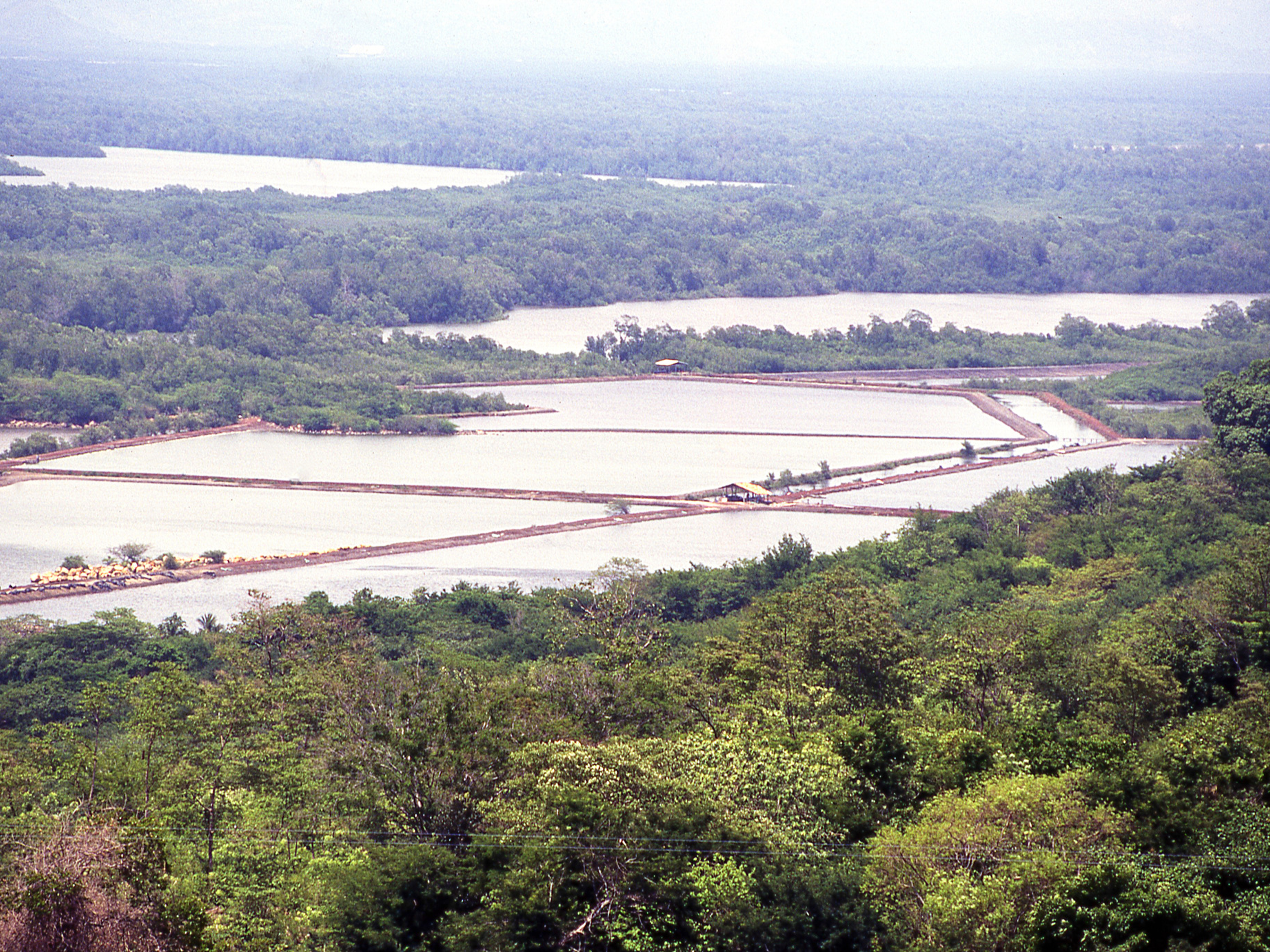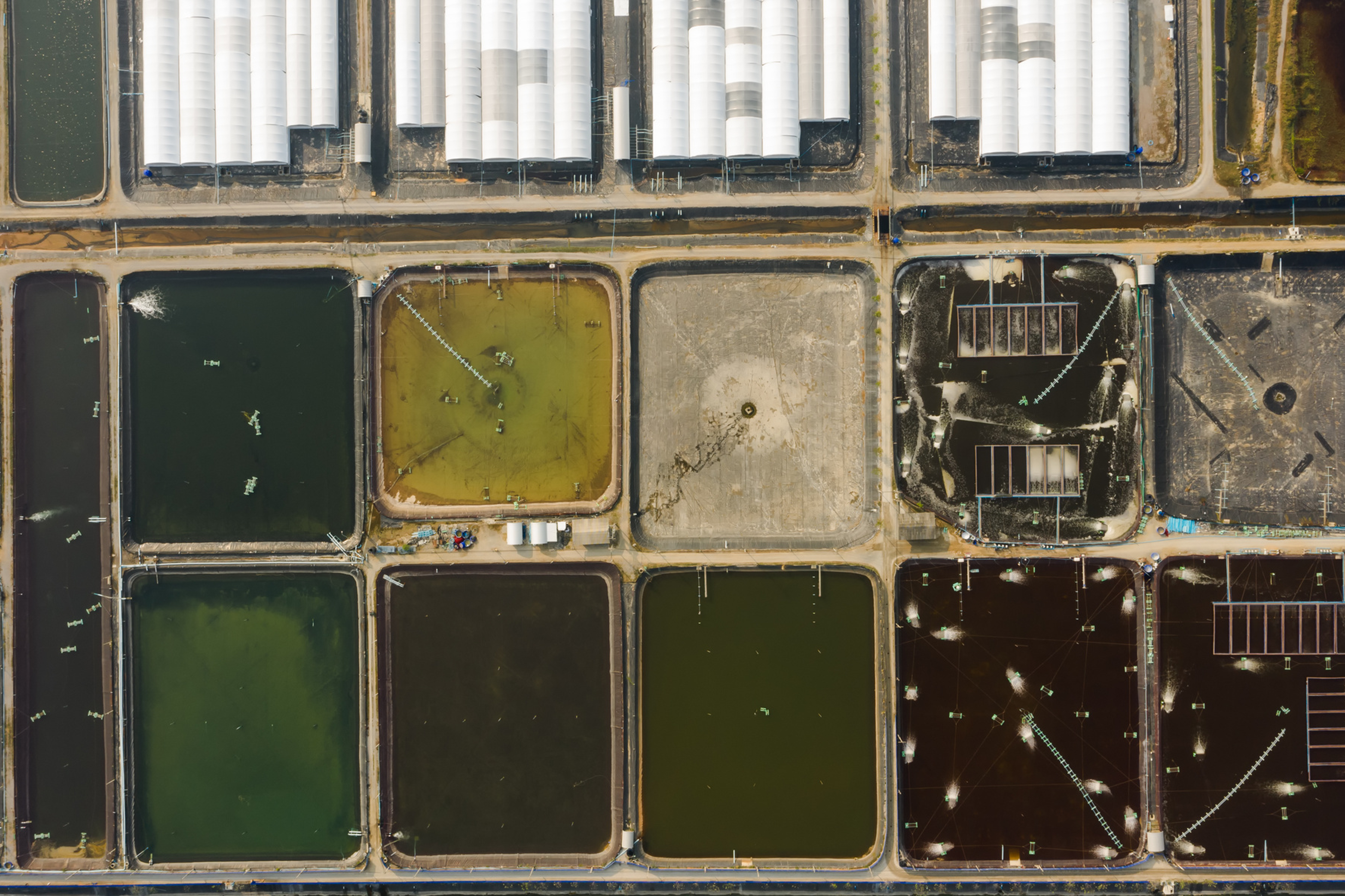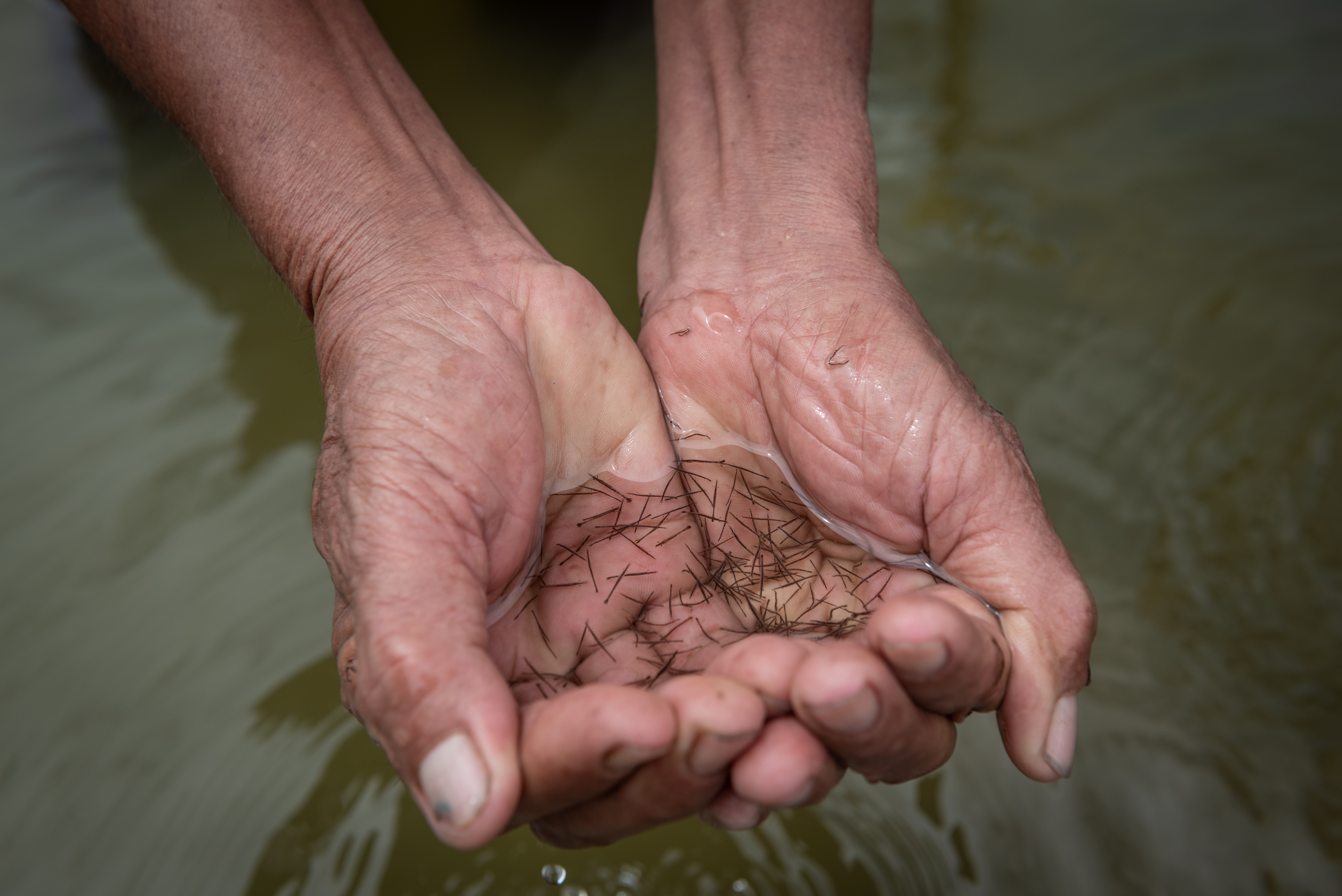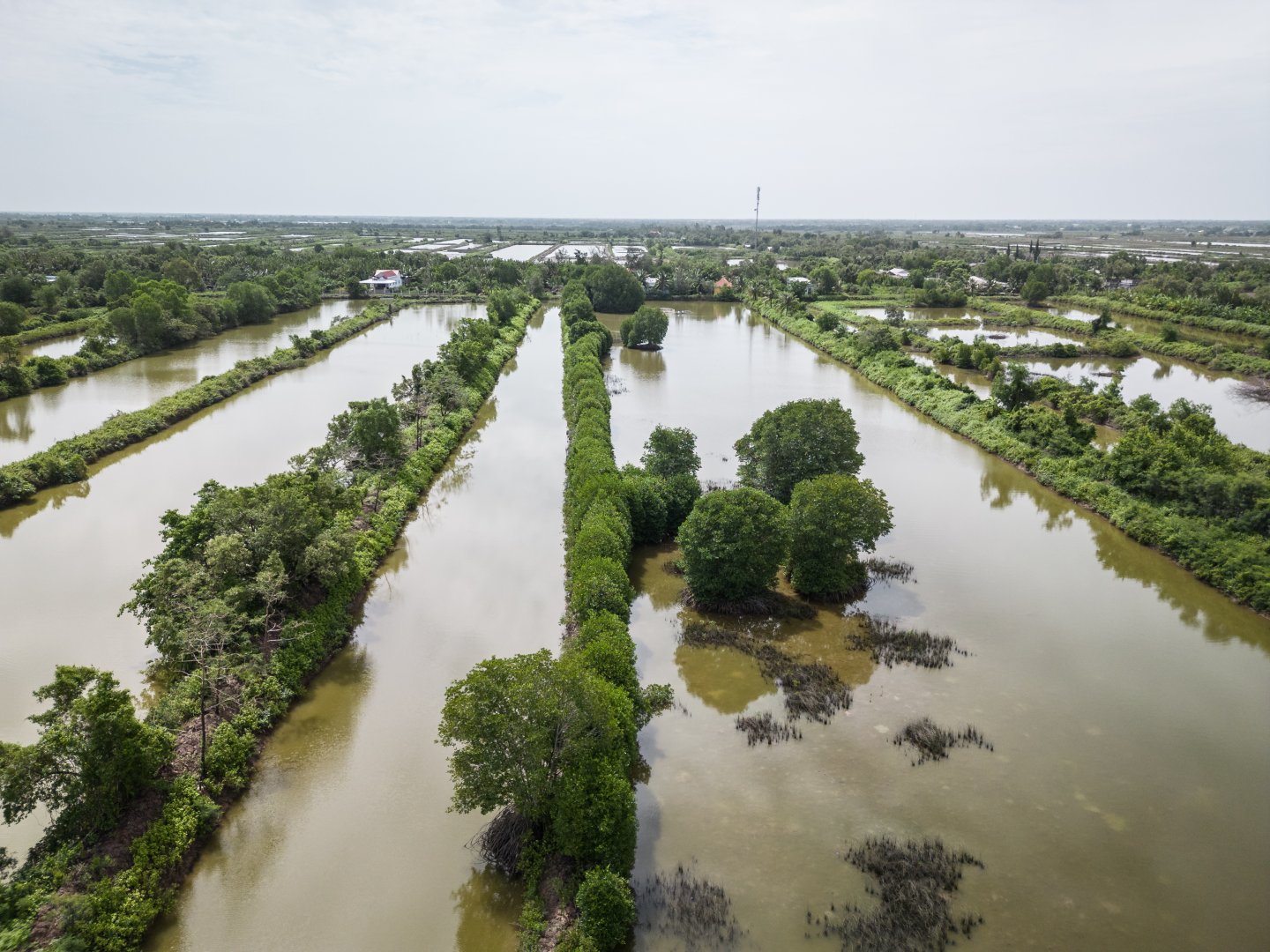
For whiteleg shrimp, all water quality parameters are highly important. Any change, whether significant or minor, may cause adverse reactions in shrimp. Among these, particular attention should be given to changes in temperature and salinity of the pond water. As shrimp farming essentially involves water management, it is therefore necessary to closely monitor these parameters in order to implement the most appropriate remedial measures.
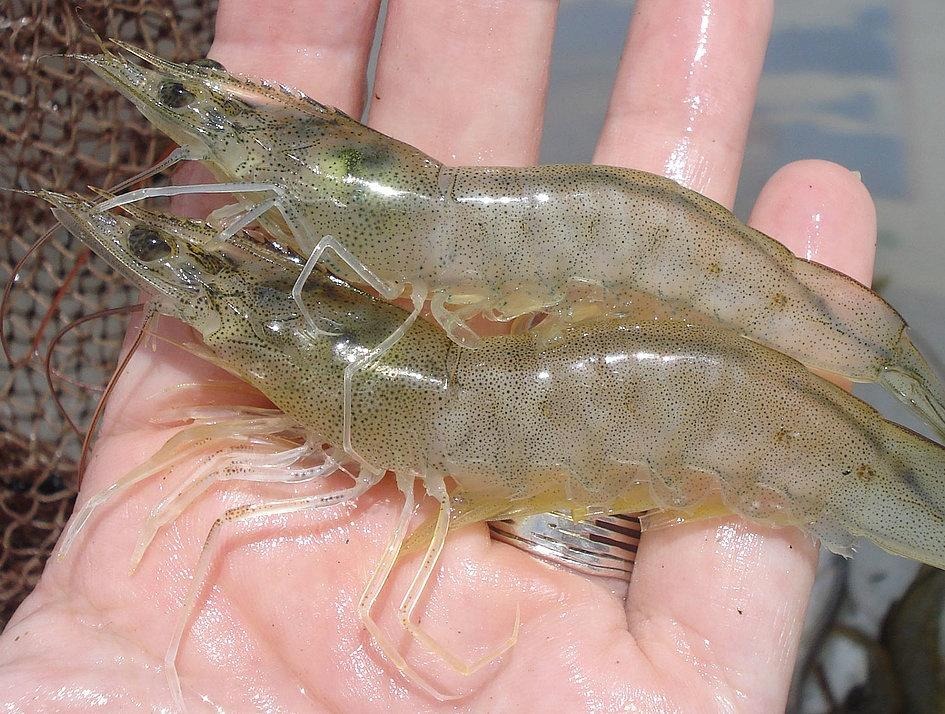
How Is Temperature Important to Shrimp?
The combination of solar radiation and air temperature determines water temperature. Therefore, temperature in ponds usually depends on the season and geographical location. In smaller water bodies, temperature tends to fluctuate more than in larger ones due to the smaller water volume, resulting in greater energy absorption. Shrimp are ectothermic animals, meaning that their body temperature depends on the temperature of the surrounding environment. Temperature greatly affects shrimp growth and metabolism, as nearly all metabolic activities rely on enzyme catalysis, and enzyme activity is determined by temperature. Consequently, temperature not only determines growth but also affects disease resistance, reproductive capacity, survival rate, the solubility of gases in water, and the toxicity of certain compounds in the water. The ability of shrimp to adapt to temperature depends on genetic factors, the duration of the acclimation process, and their life stage. Different species have different optimal temperature ranges; deviations above or below these ranges may significantly affect cultured shrimp. Furthermore, temperature also influences the development of algae, aquatic flora and fauna, as well as the survival of bacteria and parasites harmful to shrimp.

Effects on Shrimp When Temperature Changes
During periods when temperature fluctuates easily, such as in winter, near the Lunar New Year, after the Lunar New Year, or during the rainy season, cultured shrimp are significantly affected. The tolerance range of shrimp is 15–33°C, with the optimal range being 28–30°C. If the temperature falls below or rises above the tolerable range, shrimp will cease feeding within 24 hours, after which their normal physiological activities become disrupted.
Specifically, when temperature rises excessively, enzyme activity increases, metabolic processes accelerate, and respiratory activity is intensified. At that time, shrimp will consume more feed, while the digestive system can only function at a certain capacity. As a result, although shrimp eat more, nutrient absorption is limited, and a considerable amount of uneaten feed accumulates. Over time, shrimp health deteriorates, immune resistance declines, thereby creating favorable conditions for harmful bacteria to invade and cause disease. Conversely, if temperature decreases, feed intake is reduced, leading to prolonged molting. After a period of time, shrimp may die, stop feeding, and move to the pond bottom to avoid cold stress, increasing the risk of fungal infections and toxicity originating from the pond bottom.
How Important Is Salinity to Shrimp?
Salinity is the concentration of all mineral salts present in water. Water salinity is highly important, greatly affecting the survival, growth, and maintenance of physiological functions of shrimp. Through the process of osmoregulation, shrimp must maintain the concentration of dissolved mineral salts in their bodies at a stable level. Similar to temperature, each species of fish and shrimp has an appropriate salinity range for growth and development. The salinity tolerance range of whiteleg shrimp is 5–35‰ (parts per thousand). When salinity changes by more than 10‰ within a few minutes or several hours, shrimp are unable to tolerate such fluctuations. Therefore, if it is necessary to change the salinity of the farming pond, acclimation to gradually adapt shrimp to the new salinity level is extremely important.
According to several studies, salinity also affects the antibacterial activity and immune capacity of shrimp. However, the immune system can recover from changes in salinity within approximately six days. Enzymes that catalyze physiological processes in the body are also sensitive to certain increases in salinity. In particular, the enzyme phenoloxidase, which catalyzes melanosis (formation of black spots on the shrimp shell), serves as a defense mechanism against bacteria within the immune system; however, it also creates discoloration that reduces the commercial value of shrimp.
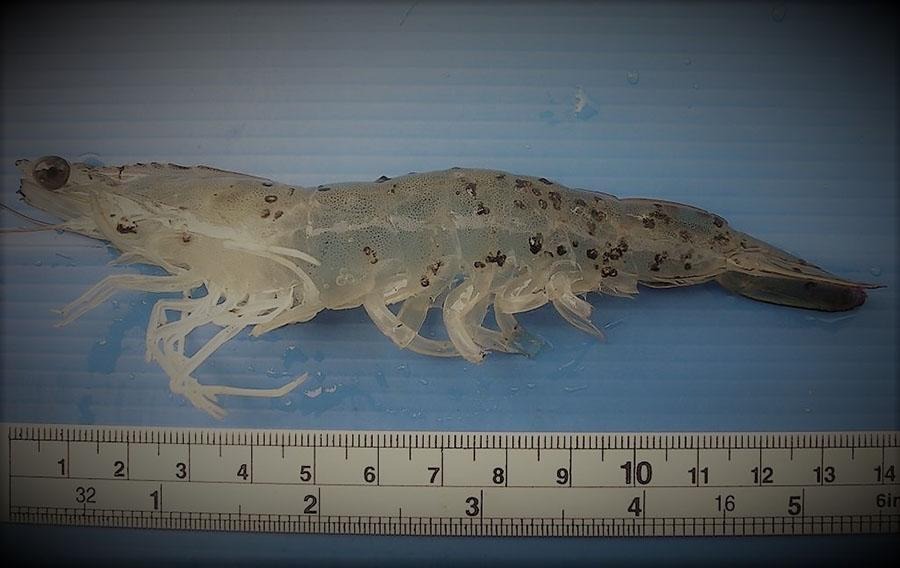
Effects of Salinity Fluctuations
Whiteleg shrimps are increasingly cultured in low-salinity environments due to their high adaptability. During the post-larval stage, whiteleg shrimp naturally live in environments with relatively high salinity; however, after an acclimation process, owing to their strong tolerance, they are still able to survive and grow well in areas with low salinity. In cases where salinity is too low, below 5‰ (parts per thousand), the low concentrations of ions such as Ca²⁺, Mg²⁺, Na⁺, and K⁺ in the water cause molting to occur irregularly, and shrimp are prone to soft shells after molting, thereby significantly increasing mortality rates. After rainfall, a sudden decrease in pond salinity also greatly affects shrimp, particularly by stimulating the molting process while essential nutrients and minerals required for shell hardening are insufficient. Consequently, shrimp experience reduced immune resistance and become highly susceptible to bacterial infections, leading to dangerous diseases and increased sensitivity to nitrogen-containing toxic substances such as NH₃ and NO₂.
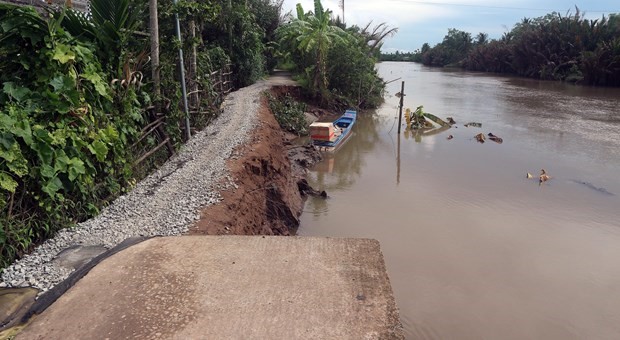
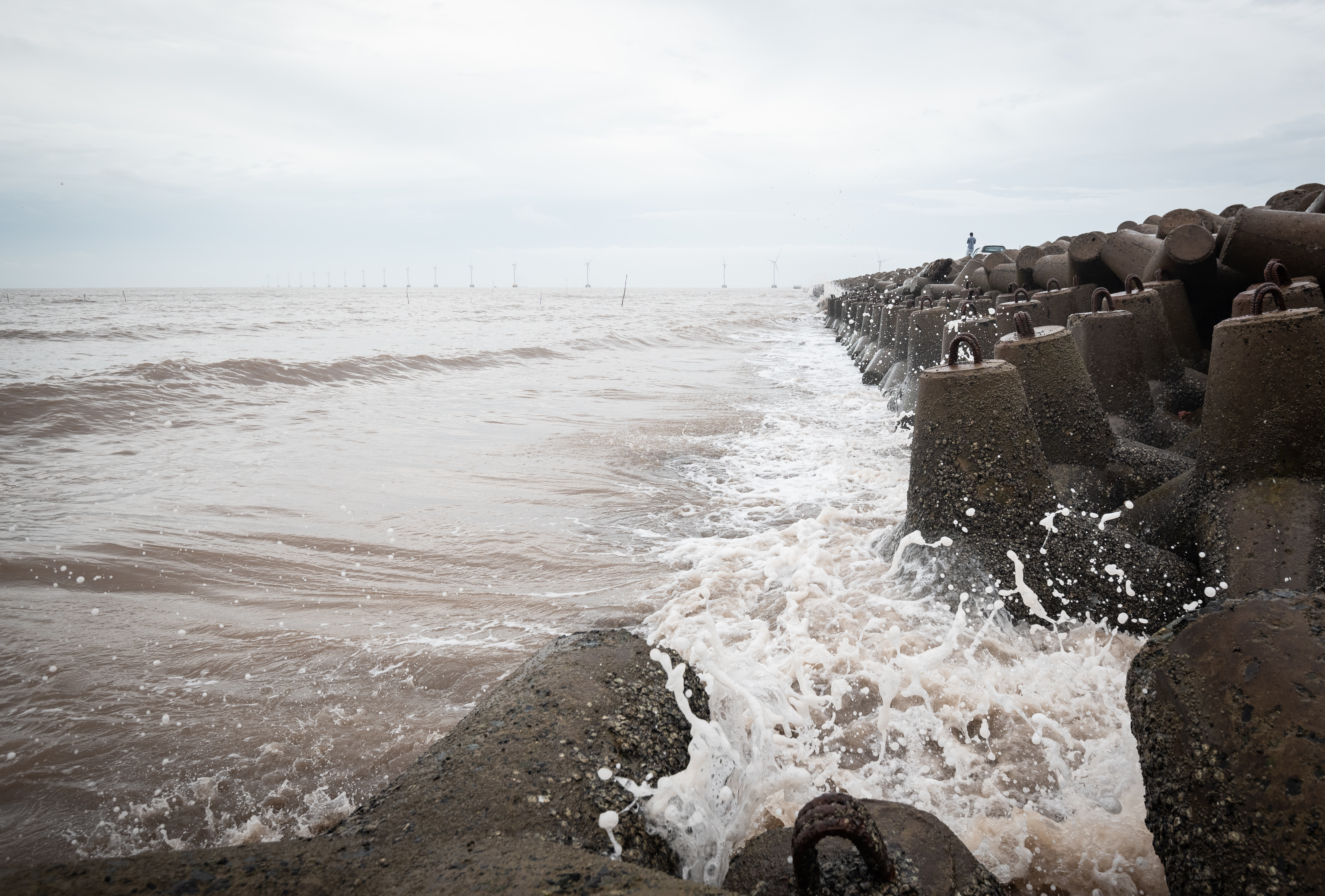
Conversely, when whiteleg shrimp live in environments with excessively high salinity beyond their tolerance level, they become stunted, grow slowly, and may even experience shock and mass mortality. Moreover, when salinity increases, white feces syndrome and acute hepatopancreatic necrosis disease (early mortality syndrome – EMS) may develop in a highly complex manner, causing disease outbreaks and resulting in substantial economic losses. At present, salinity intrusion is becoming increasingly severe, greatly affecting shrimp farming activities. High salinity alters certain environmental parameters such as pH and alkalinity. In addition, it promotes rapid algal growth in shrimp ponds, generating large amounts of toxic gases. Particularly, dissolved oxygen levels in the water increase significantly during the daytime but drop to minimal levels at night. As a result, oxygen deficiency occurs, and shrimp often surface at midnight.
Remedial Measures
Maintain a water depth of at least 1.2 meters to help stabilize temperature. Install shading nets or cover the pond surface with tarpaulins to limit temperature increases. When temperature and salinity rise above or fall below optimal levels, water exchange measures may be applied to restore balance. In addition, regular aeration is necessary to reduce stress in shrimp when temperature and salinity change abruptly due to weather conditions.
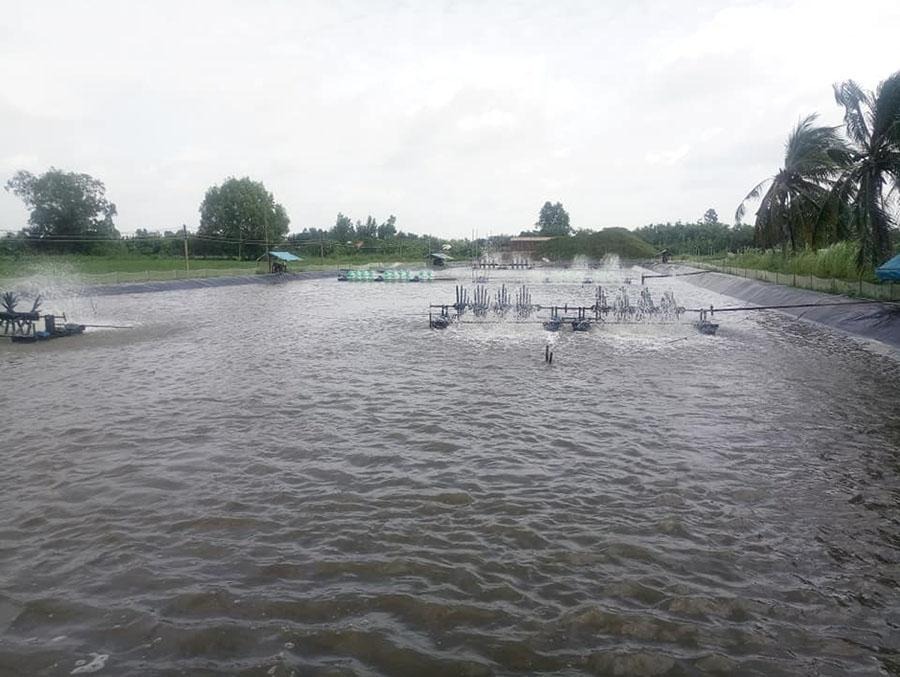
For ponds with high salinity, it is advisable to have a sedimentation pond to filter water and adjust salinity to an appropriate level before supplying it to the culture pond. Pond embankments should be reinforced in a timely manner to prevent leakage. Regular siphoning of pond bottoms is required, particularly during prolonged hot seasons, as increased salinity and temperature accelerate the decomposition of organic matter. The thick sludge layer at the pond bottom must be removed to reduce foul odors caused by algal die-off, and toxic gases should be treated with Nitrobac in the early afternoon from 12:00 to 15:00 at a periodic dosage of 500 g per 3,000 m³ of water.
During the management and husbandry process, feed quantities should be adjusted appropriately depending on weather conditions to avoid excess feed, which may pollute the pond and lead to various adverse consequences. Shrimp feed consumption levels also depend on the temperature and salinity of the environment in which they live. Throughout the culture period, supplementation with Herb Guard, a herbal extract that supports liver function, is recommended to contribute to improved shrimp health.
With its natural antibacterial properties, Beta Gro helps control bacterial loads within the shrimp body while enhancing the effectiveness of the immune system. This product reduces the likelihood of disease development in shrimp and is highly effective when used in combination therapy for white feces syndrome at a dosage of 3 g/kg of feed per feeding. Vitamin C is a potent antioxidant for shrimp that enhances immune resistance and improves the absorption and synthesis of essential substances required by the body.
Source: https://123tom.net/tam-quan-trong-cua-nhiet-do-va-do-man-trong-ao-tom-81190u.html