(vasep.com.vn) In order to access the European seafood market and expand business operations, enterprises need to consider supplying sustainable products. Although this is not yet a mandatory requirement in all markets, many retailers have required sustainability certification for seafood products—particularly in Northwestern Europe. Providing sustainably certified products is a key factor if enterprises wish for their seafood products to stand out and remain competitive in the European market.
1. What Is Sustainable Seafood?
Sustainable seafood is harvested or farmed in a manner that ensures future generations can continue to benefit from the world’s natural resources. To better understand the sustainable seafood trend in Europe, it is first necessary to examine how the sustainable seafood movement began and the significance of sustainability certifications, as well as to explore the differences between sustainable seafood and organic seafood.
The Sustainable Seafood Movement
The sustainable seafood movement began in the mid-1990s, promoting the consumption of sustainable seafood. These are seafood products that are harvested or farmed using methods that do not harm other species or ecosystems. The movement enables consumers to become part of the solution to environmental challenges.
Consumers are increasingly concerned about the environmental and social impacts associated with seafood production. For example, key production inputs such as water and energy are scarce resources. Fishing vessels and aquaculture ponds release emissions into the atmosphere, contributing to air pollution. Unsustainable fishing and aquaculture practices also have negative impacts on biodiversity.
At the same time, the sector may have adverse social impacts, for instance by failing to ensure fair wages and adequate working conditions for fishers or farmers.
Non-governmental organizations, governments and consumers have all contributed to the sustainable seafood movement in different ways. Non-governmental organizations and governments promote actions towards sustainable seafood through information campaigns, informing consumers about environmental issues related to seafood production.
Organizations have developed guidelines to help consumers make informed purchasing decisions. For example, the United Kingdom’s Marine Conservation Society has published the “Good Fish Guide,” which assesses the sustainability of different seafood species.
European consumers, particularly certain retailers, have also contributed to this movement by committing to selling only sustainable seafood.
General Introduction to Seafood Certification
Sustainability certification indicates that seafood products are produced in a sustainable manner. Certified seafood products carry an ecolabel on the final product. Through the ecolabel, consumers can distinguish between conventional seafood and sustainable seafood.
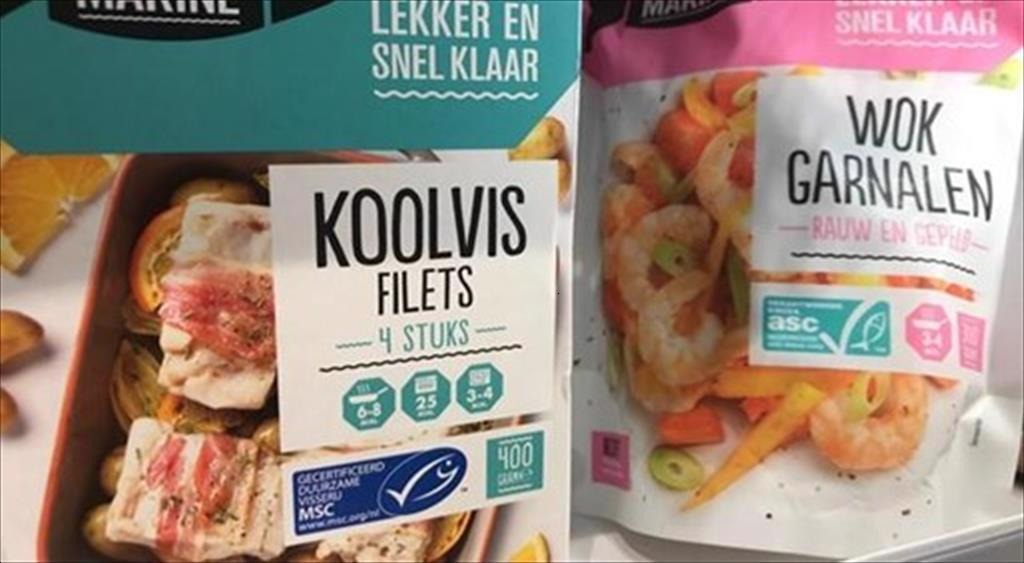
Figure 1: MSC- and ASC-certified seafood sold at the mainstream retail store Spar (the Netherlands)
Europe has the highest concentration of sustainably certified seafood products. In 2019, 20,701 different seafood products were certified and labeled in Europe. According to GLOBALG.A.P, one of the world’s largest sustainability certification standards, the assurance provided by certification will become increasingly important in accessing the European market, due to rising expectations from government regulations and non-governmental organizations.
To date, the largest global certification standard for wild-caught seafood is the MSC standard of the Marine Stewardship Council. The Best Seafood Practices (BSP) program was recently established with the aim of ensuring that wild-caught seafood is harvested and processed responsibly. The three largest standards for aquaculture are the ASC standard of the Aquaculture Stewardship Council, the BAP Best Aquaculture Practices standard, and GLOBALG.A.P.
At present, MSC and ASC remain the two largest sustainable seafood certifications in Europe. Currently, 4.6% of global seafood production is MSC-certified and 0.9% is ASC-certified. However, other standards such as BAP are becoming increasingly popular in European markets.
The Global Sustainable Seafood Initiative (GSSI) has developed a tool to benchmark seafood certification schemes using the “Code of Conduct for Responsible Fisheries.” GSSI-recognized certification standards are considered reliable by many retailers.
In addition, there are numerous sustainability initiatives that are not visible to consumers. For example, in Fisheries Improvement Projects (FIPs), various stakeholders in the supply chain collaborate to improve fisheries. Another example is pre-competitive collaboration among seafood businesses. Seafood Business for Ocean Stewardship is a collaboration among leading seafood companies seeking to take the lead in advancing sustainable seafood production.
The Difference Between Sustainable Seafood and Organic Seafood
“Sustainable” is sometimes confused with “organic,” but the two terms do not have the same meaning. Sustainable seafood is farmed or harvested using methods that do not harm other species or ecosystems. Organic seafood, by contrast, is always farmed (never wild-caught), and the production rules for organic seafood are stricter than those for sustainable seafood. The market for sustainable seafood in Europe is significantly larger than that for organic seafood.
2. What Makes Europe an Attractive Market for Certified Sustainable Seafood?
The number of certified sustainable seafood products is increasing and is no longer limited to Northwestern European markets. Consumers are increasingly concerned about the origin of their food, and retailers are making commitments to sustainable seafood sourcing.
Growing Demand for Certified Seafood Products
Demand for certified seafood continues to rise. This remains true even as the world has been affected by the COVID-19 pandemic. Approximately 887,000 tonnes of MSC-certified seafood were sold on the European market, 13% more than the previous year. In terms of the total number of products available on the market, offerings reached 14,640 products, representing an 11% increase. Looking specifically at farmed fish, approximately 9,750 ASC-certified seafood products were available in Europe, 32% more than in 2019 (Figure 2). The availability of ASC-certified Pacific white shrimp products increased by 27% in 2020. The availability of ASC-certified black tiger shrimp products also rose by 19%.
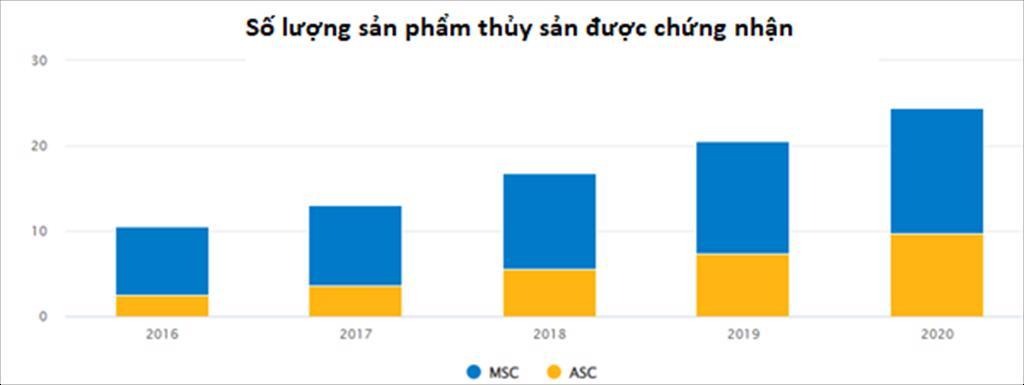
Figure 2: Number of MSC- and ASC-certified products in Europe
In 2020, the growth in certified products can partly be explained by the pandemic. Consumers who typically consumed seafood in restaurants shifted to cooking at home. They spent their seafood budgets in the retail sector, which is the primary end market for sustainable seafood. Although the food service sector has since reopened, retail sales have remained at a high level. Therefore, demand for certified products in Europe is expected to continue increasing.
European Consumers Are Increasingly Concerned About the Origin of Their Food
Europeans are becoming increasingly aware of the environmental and social issues associated with food production. They are paying greater attention to the origin of their food. Therefore, businesses need to monitor consumer trends.
“Consumers are increasingly aware of the pressures that food production places on the environment.” This was confirmed in a survey on consumer attitudes towards sustainable food conducted in 2019 by the European Consumer Organisation (BEUC). Forty-seven percent of consumers stated that they are fairly concerned, and 17% are very concerned about the environmental impacts of their food choices. Consumers often associate “sustainable food” with characteristics such as “low environmental impact” (48.6%), “avoidance of GMOs and pesticides” (42.6%), and “local supply chains” (34.4%).
With regard to seafood, consumers are showing growing interest in sustainability. In 2020, MSC partnered with GlobeScan to conduct research on consumer trends relating to sustainable diets and seafood consumption. In Europe, climate change is considered the most pressing environmental concern; ocean health and the decline of fish stocks rank sixth.
However, in Spain, Sweden and France, the importance of ocean health ranks second after climate change. This indicates that the issue is particularly significant for consumers in these countries. Two-thirds of consumers believe that, in order to protect the oceans, it is necessary to consume fish from sustainable sources, and 30% believe that their favorite fish species may no longer be available within the next 20 years. One-quarter of surveyed consumers have switched to a new brand or product that helps protect oceans/fish; 16% have changed the species of fish they consume. Nearly three-quarters of consumers agree that sustainability claims should be labeled, while fewer than half state that they pay attention to ecolabels. In 2020, 70% of consumers wanted to reduce their environmental impact, 8% higher than in 2019. The more aware European consumers become of environmental issues related to seafood, the more likely they are to demand that the seafood they consume be produced sustainably.
Food producers and processors are regarded as key actors in ensuring a sustainable food system. When asked about the actors responsible for ensuring a sustainable food system, 65% of consumers believe that producers bear this important responsibility; nearly 58% believe that food manufacturers play this role. More than four in ten respondents (43%) believe that consumers themselves also have a role to play. This suggests that European consumers may not perceive themselves as the primary drivers of change towards sustainable food.
European Retailers Promote Sustainable Seafood
According to BAP: “Certification is used by many retailers, food service companies and seafood businesses in Europe to demonstrate that they are responsible in their sourcing.” As sustainability increasingly becomes a key requirement for European retailers, businesses need to consider how they can meet this expectation. Supplying sustainably certified products ensures compliance with buyers’ requirements and, more importantly, provides enterprises with a competitive advantage over other suppliers.
For retailers that have not yet offered sustainable seafood, as well as processing plants and seafood enterprises supplying supermarkets, they will be compelled to provide certified products in order to maintain competitiveness.
European retailers adopt different approaches in committing to sustainable seafood sourcing. Waitrose & Partners, a British supermarket brand, states that all of its seafood is responsibly farmed and caught in accordance with seafood certification standards and RSPCA standards. Tesco PLC demonstrates its responsible sourcing approach by collaborating with the Sustainable Fisheries Partnership and working with suppliers on any necessary improvements, often through Fisheries Improvement Projects.
Some European retailers, such as Colruyt Group, have committed to sourcing only ASC- and MSC-certified seafood. However, there is also a shift toward sourcing seafood certified under GSSI-recognized standards. Ahold Delhaize, the fourth-largest retailer in Europe, has committed to sourcing seafood certified under GSSI-recognized schemes.
European Regions Offering the Greatest Opportunities for Sustainable Seafood
For a long time, the trend of retailers committing sustainable seafood was limited to Northwestern Europe and the Nordic countries. Sustainable seafood is now also gaining momentum in Southern and Eastern Europe. According to ASC, “Of course, Europe is a large and diverse market. Some countries, such as the Netherlands, already have very high awareness of certified products, but in other markets, particularly Southern Europe, this aspect is only beginning to develop; therefore, this represents a real opportunity for producers.”
Northwestern Europe
This remains the largest market for sustainable seafood consumption. Most retailers in this region require sustainability certification.
Among consumers, when asked about the most important characteristic of “sustainable” food, “low impact on the environment or climate” was the most frequently mentioned response in three countries—the Netherlands (51%), Ireland (34%), and Denmark (33%). In Germany, high standards of animal welfare were the most common response among respondents (36%). Reducing packaging, with little or no use of plastic (35%), was the most frequently selected characteristic in Luxembourg (35%).
Overall, consumers in Northwestern Europe are more willing to spend on sustainably produced food than consumers in other European regions (Figure 3).
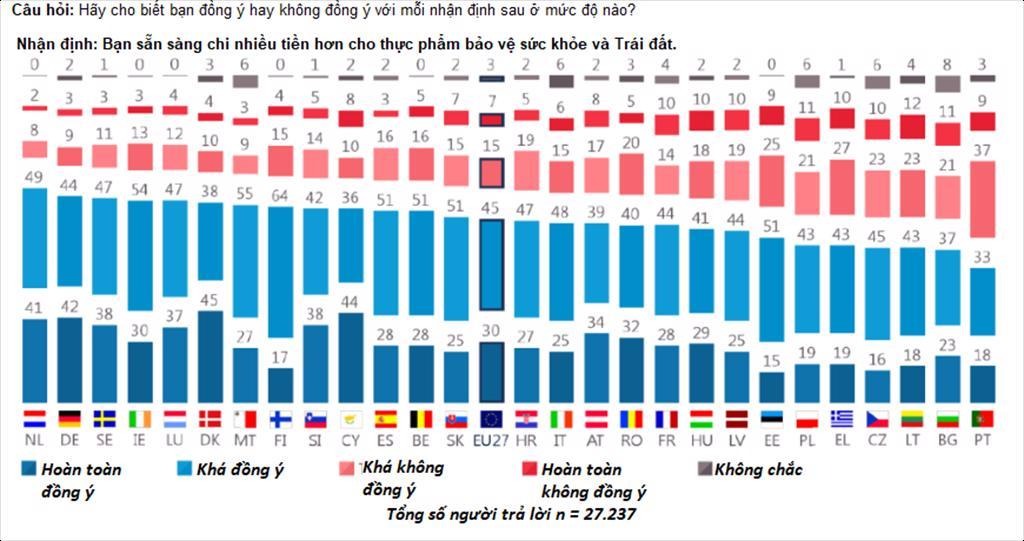
Figure 3: Results of the question on whether consumers are willing to pay more for food that protects health and the planet
Northwestern Europe accounts for the largest market share in European sales of MSC- and ASC-certified fish and seafood. In 2019/2020, there were 6,260 MSC-certified products on the Northwestern European market, representing a 6% increase compared to the previous year (Figure 4). Looking at the total number of ASC-certified products as of December 2020 in each country, the figure for Northwestern Europe was 7,720, 27% higher than in 2019 (Figure 5). In this region, the Netherlands recorded the highest total number of ASC-certified products, with 2,719 certified products as of December 2020.
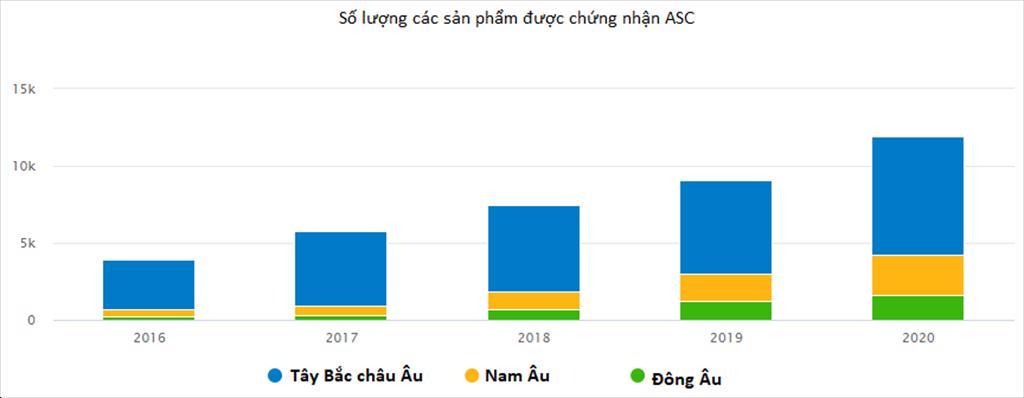
Figure 4: Five-year trend in the number of ASC-certified products available in European regions
Southern Europe
Consumers in Southern Europe are increasingly demanding sustainable seafood. Businesses should monitor this trend, as Southern Europe is the largest seafood consumption market in Europe. Currently, only a limited number of retailers in this region purchase sustainable seafood, but this number is expected to increase. However, the region processes a significant volume of seafood for re-export to the retail sector. Therefore, enterprises supplying raw materials to processors in Southern Europe need to prepare for growing demand for sustainable seafood.
Consumers in Southern Europe also pay attention to the sustainability of their food. When asked which characteristics are most important for a sustainable diet, the majority of consumers in all EU Member States agreed with the statement, “Information on the sustainability of food should be indicated on food labels,” with the highest levels of agreement recorded in Cyprus (98%) and Greece (97%). When asked what would help them achieve a healthy and sustainable diet, the most common response in Spain was “Clear labeling information regarding the environmental, health, and social impacts of the product.”
Although Northwestern Europe remains the largest market for sustainable seafood, the growth in MSC- and ASC-certified seafood has primarily come from Southern Europe. In 2019/2020, Southern Europe recorded 2,890 MSC-certified products, representing a 31% increase compared to the previous year (Figure 4). The number of MSC-certified products increased by 27% in France and by 25% in Spain. The number of ASC-certified products in Southern Europe reached 2,577, recording the strongest growth at 46% (Figure 5).
Eastern Europe
Eastern Europe remains the smallest market for sustainable seafood, as consumers prefer to purchase low-priced seafood. The cost of sustainable food is one of the main limiting factors affecting sustainable food consumption in Eastern European countries. When asked what would help them adopt a healthy and sustainable diet, the most frequently selected response was affordable sustainable food, particularly in Estonia (72%) and Bulgaria (66%). When asked whether they would be willing to pay more for food that protects their health and the planet, more than one-third of consumers in Lithuania (35%) and Estonia (34%) disagreed with this statement (Figure 3).
Although still a relatively small market, Eastern Europe has expanded its supply of MSC-certified products, with 673 products launched in 2019/2020, representing a 13% increase compared to the previous year (Figure 4). Meanwhile, the total number of ASC-certified products in Eastern Europe reached 1,646, an increase of 32% compared to 2019. The largest market in this region for ASC-certified products is Poland.
3. Market Trends for Sustainable Seafood Products
Key market trends for sustainable seafood products include requirements for product traceability and for businesses to manage social impacts as well as carbon emissions. Over time, these requirements may even become basic standards as the EU intensifies its focus on seafood sustainability.
Consumers Are Demanding Traceability
An increasing number of European consumers are seeking suppliers capable of providing product traceability. This is essential in Europe; the EU is making efforts to improve seafood traceability as part of its fight against illegal fishing and irresponsible production practices.
Seafood businesses are applying digital technologies to enhance traceability. Blockchain and DNA technologies are two of the most widely used technologies in the seafood sector. They can be utilized to monitor a company’s supply chain and to digitalize all related information. Currently, reputable sustainability certification standards include traceability requirements. These standards apply to the entire supply chain, from the certified farm to the final product bearing the logo. Therefore, if enterprises wish to supply certified sustainable seafood, they need to begin by assessing whether they are able to provide documentation for all steps within the supply chain.
The Social Impact of Businesses Is an Essential Component of Sustainable Seafood
Enterprises must ensure that they empower their employees and demonstrate concern for local communities.
In light of recent concerns regarding labor abuse in the seafood industry, buyers are increasingly concerned about the social impacts of businesses. This issue is also becoming more important to European consumers. Therefore, as exporters, enterprises need to consider improving their social performance.
In some cases, buyers require specific standards addressing social issues within the supply chain. SA8000 is the world’s leading social certification program. BSCI provides businesses with methodologies to improve working conditions within their supply chains.
Certain sustainability certification standards also incorporate requirements related to social issues. For example, ASC and Fair-Trade USA include social criteria within their standards. MSC requires all MSC-certified fisheries to report on the measures they use to minimize forced labor or child labor. However, it should be noted that sustainability certifications do not necessarily replace social certifications.
Carbon Emissions Are Becoming a Sustainability Priority
As concerns about climate change increase, demonstrating low carbon emissions will become increasingly important.
Trends indicate that sustainability certification standards are incorporating rules on carbon emissions. For example, ASC standards require farms to monitor their energy use and emissions. Therefore, enterprises need to carefully consider the requirements and feasibility of managing their carbon emissions.
The ability to adjust and control carbon emissions will provide businesses with a competitive advantage beyond certification requirements. For example, Walmart has set a target of achieving net-zero emissions by 2040. The Dutch retailer Albert Heijn has announced that it has reduced CO₂ emissions per store by 50%, while also working with suppliers and farmers to reduce carbon emissions throughout the supply chain.
Europe’s Farm-to-Fork Strategy Strengthens the Focus on Sustainable Seafood
The Farm-to-Fork Strategy is at the core of the European Green Deal, aiming to establish a fair, healthy, and environmentally friendly food system. The strategy focuses on sustainable food production, sustainable processing and distribution, the prevention of food loss and waste, and sustainable food consumption. From a production perspective, this means that, over time, there will be stricter regulations governing how products are caught or farmed, as well as how seafood is processed and distributed in Europe. With regard to sustainable consumption, specific plans have been developed, requiring origin information for certain products and establishing mandatory minimum criteria for products considered to be sustainable food.
Demand for Sustainable Seafood Is Increasing in the Food Service Sector
The food service industry is showing growing interest in sustainable seafood. In Northwestern Europe, some restaurants market themselves as selling only sustainable seafood. As a result, the wholesale market, which supplies the food service sector, is expected to become a promising market for sustainable products in the future. As this trend is likely to be long-term, demand for sustainable products in the food service sector is also strongly supported by the European Union through campaigns such as Taste the Ocean.
Non-governmental organizations are also stimulating this trend. For example, the Good Fish Foundation, based in the Netherlands, encourages restaurants to use only sustainable seafood. The idea is that once chefs are convinced and begin demanding sustainable seafood products, wholesalers will start expanding their supply of sustainable seafood.
Phương Linh
(According to cbi.eu)