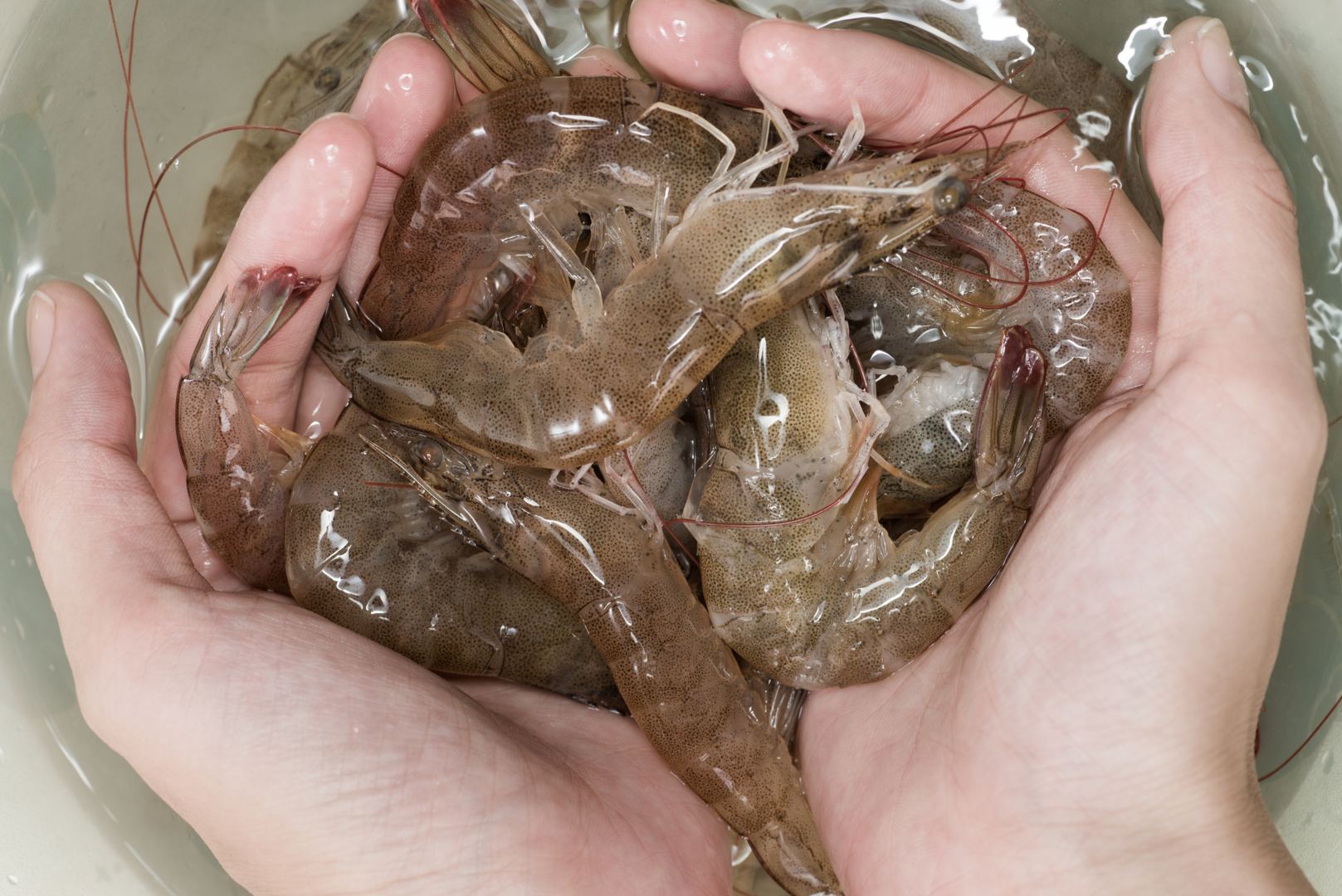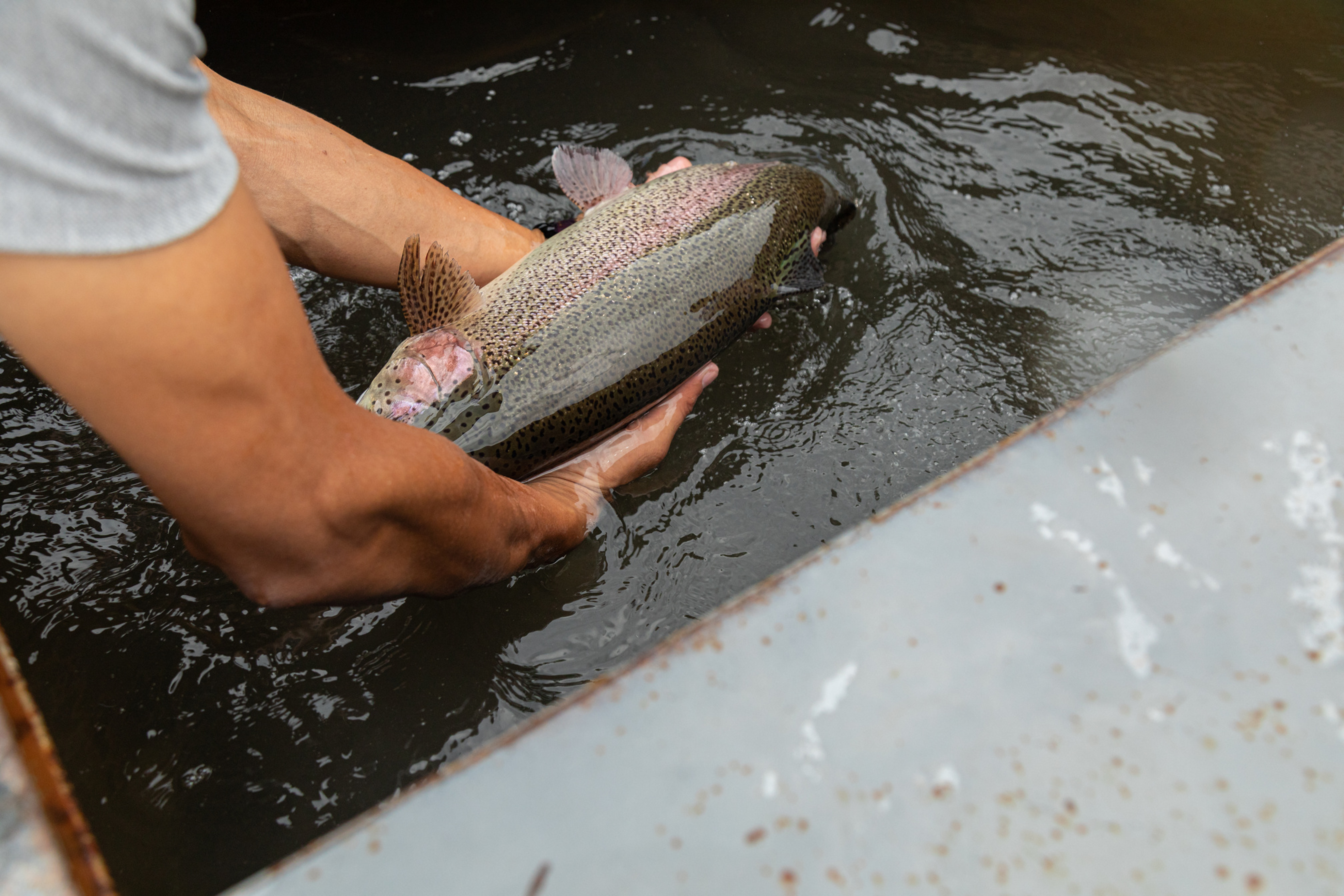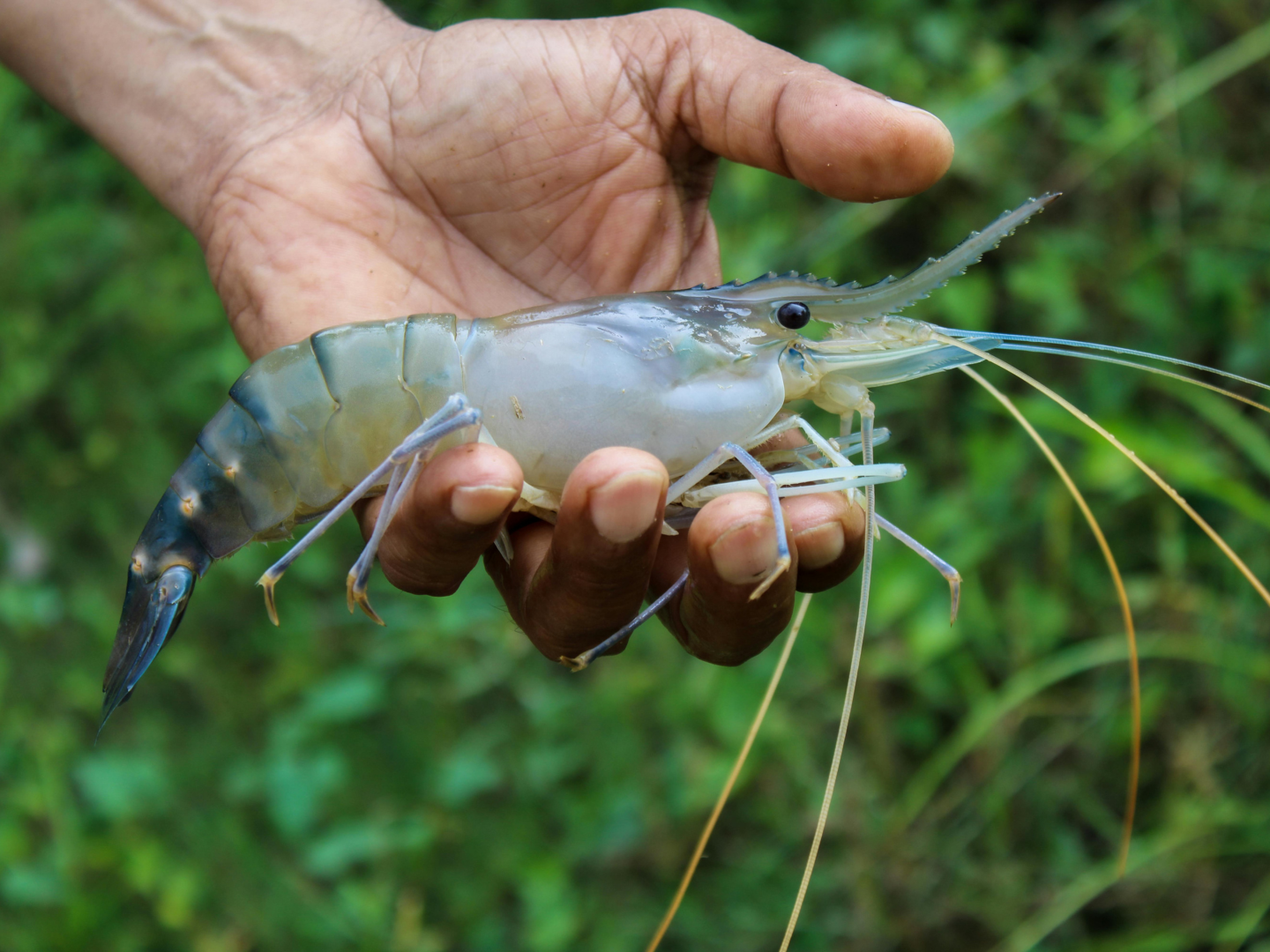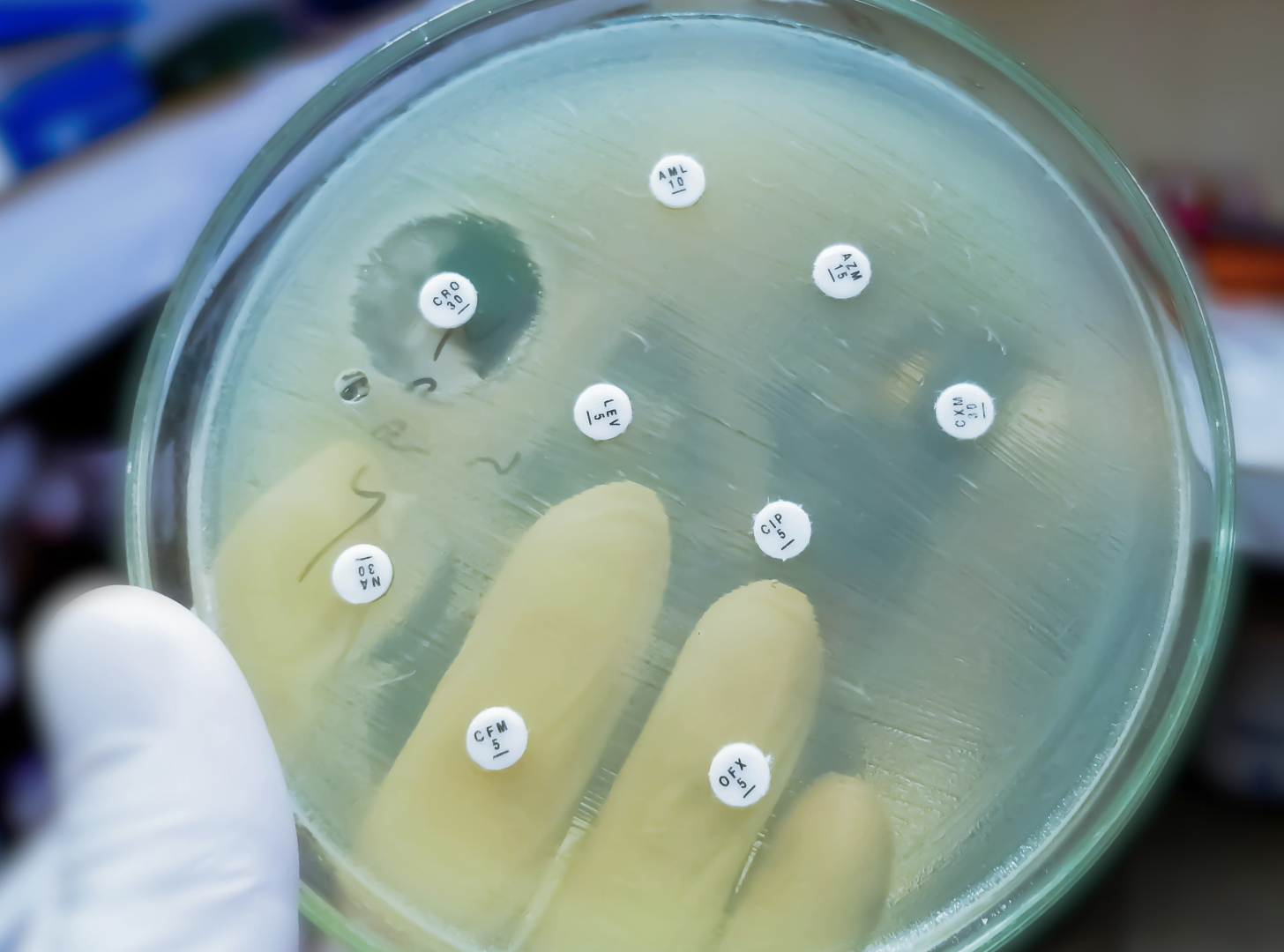
For Vietnamese shrimp and fish to reach global markets, compliance with good practice standards is an indispensable requirement. Certifications such as VietGAP, GlobalG.A.P., BAP, and ASC are not merely documents, but commitments to responsible production processes. Let us explore the four most common certifications currently shaping the seafood industry.
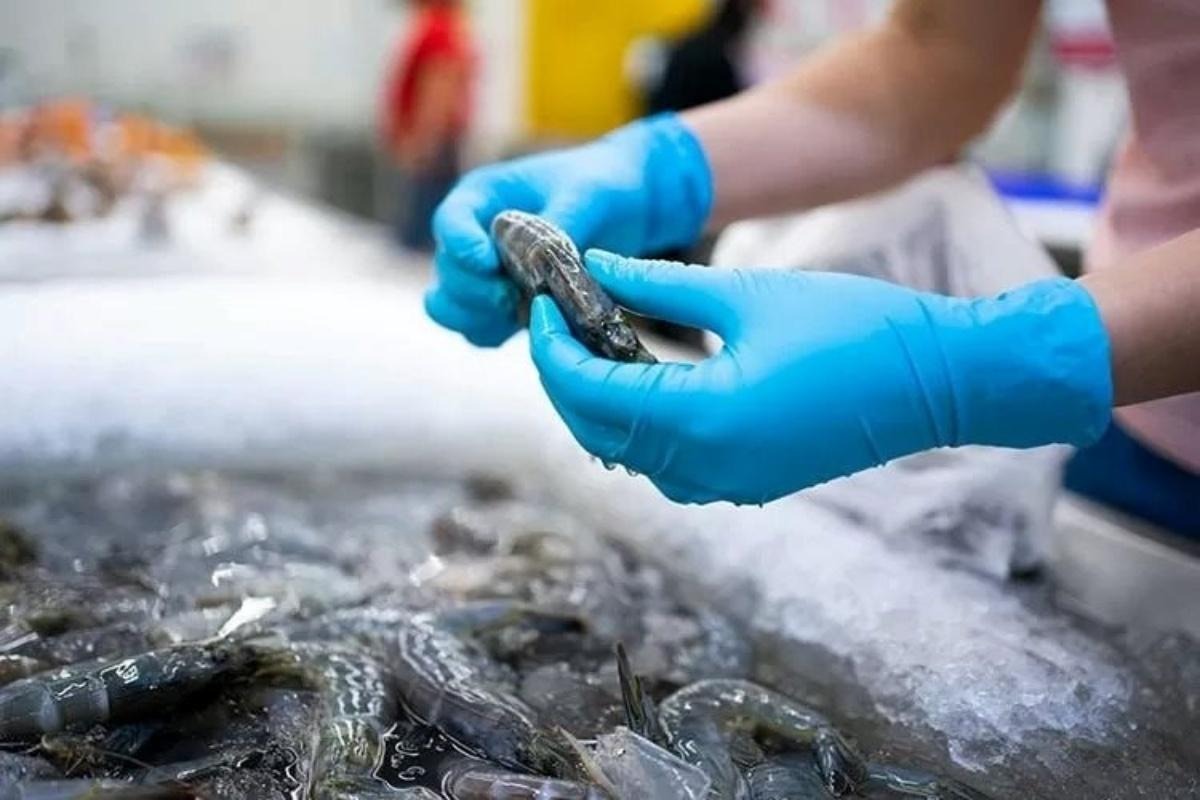
Export markets play an important role as the primary outlet for the Vietnamese shrimp industry. Photo: Collected.
Decoding the Most Common Standards
VietGAP (Vietnamese Good Aquaculture Practices)
VietGAP is a national standard set, regarded as a fundamental stepping stone for farms in Viet Nam. It primarily focuses on ensuring food safety, controlling the use of veterinary drugs and chemicals, and requiring the maintenance of production records to support traceability.
A farm certified under VietGAP has established a sound management foundation, met the requirements of the domestic market, and formed an important basis for progressing toward higher international standards in the future.
GlobalG.A.P. (Global Good Agricultural Practices)
The GlobalG.A.P. standard functions as a comprehensive Good Agricultural Practices (GAP) manual and is designed to provide assurance to consumers regarding food safety; the minimization of environmental impacts arising from farming activities; guidance on animal welfare; and the maintenance of responsible principles concerning workers’ health and safety.
Obtaining GlobalG.A.P. certification is regarded as an essential “visa” for enterprises seeking to introduce their products into modern retail channels within the European Union.
BAP (Best Aquaculture Practices)
BAP is one of the international certification programs developed by the Global Aquaculture Alliance (GAA). This standard is designed to ensure that the entire seafood supply chain, from hatcheries and farms to feed mills and processing facilities, complies with principles of food safety, environmental protection, animal welfare, and social responsibility.
Obtaining BAP certification not only provides enterprises with a competitive advantage but also creates sustainable value for the entire seafood supply chain and for consumers.
ASC (Aquaculture Stewardship Council)
ASC is regarded as the most advanced and comprehensive international standard currently available. It not only includes requirements on food safety and traceability similar to GlobalG.A.P. but also establishes highly stringent criteria on environmental and social responsibility.
A farm certified under ASC must demonstrate that its operations minimize negative impacts on surrounding ecosystems, effectively manage wastewater quality, and ensure the rights and safety of workers. It is considered the “gold standard,” enabling products to gain the highest level of consumer trust and often to be sold at a premium price.
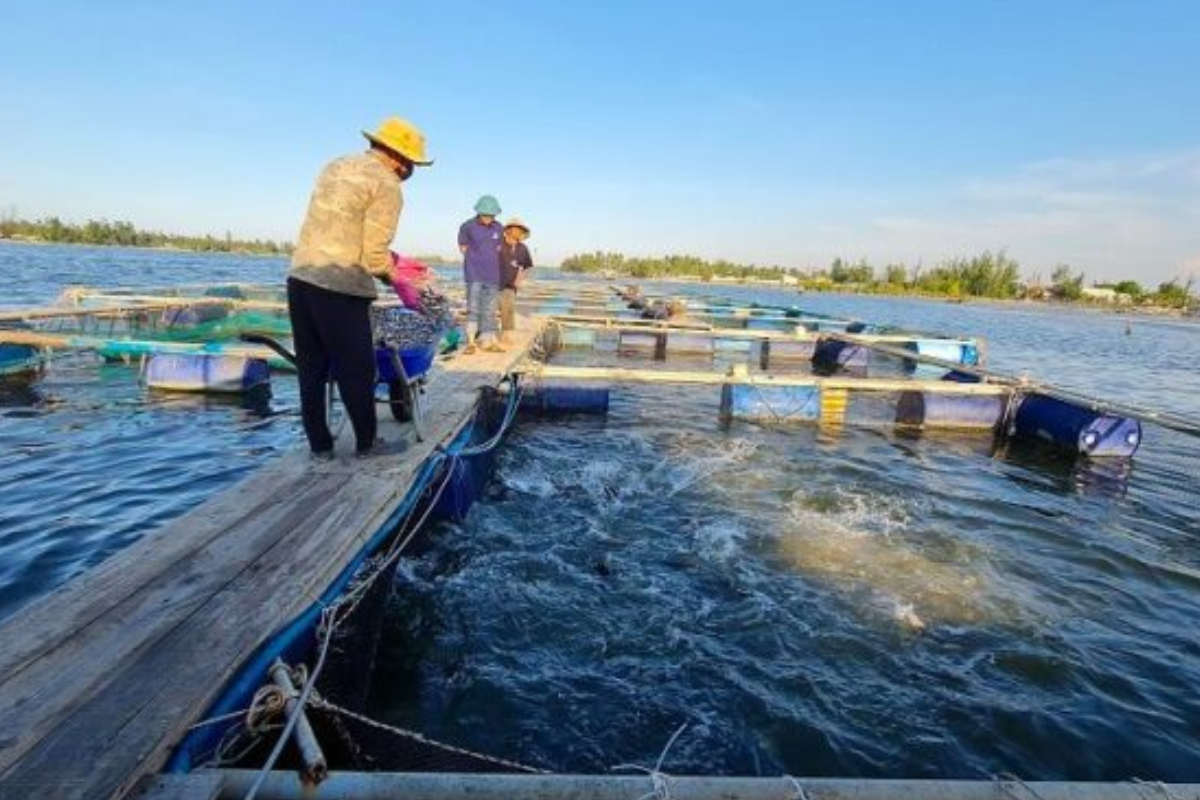
Core Requirements Underpinning All Standards
Despite differences in name and level of stringency, all of the above standards are built upon four fundamental pillars. The first and most essential foundation is traceability, which requires that all activities—from seed stock and feed to chemicals—be recorded in a detailed and transparent logbook. Traceability ensures transparency and accountability throughout the entire production chain.
The second pillar is the commitment to food safety and animal health. Farmers must strictly manage feed usage, comply with the list of permitted veterinary drugs, strictly avoid the use of prohibited antibiotics, and ensure optimal farming conditions so that shrimp can develop in a healthy manner.
The third pillar, although not explicitly addressed in every standard, is the increasing emphasis on animal welfare. Farmers are required to provide optimal living conditions for cultured species, minimize stress, and ensure that natural behaviors can be expressed within the farming environment.
Finally, all standards impose stringent requirements on environmental management. Farms are required to have wastewater and sludge treatment systems in place to ensure that surrounding water sources are not polluted, thereby demonstrating the producer’s responsibility toward the broader ecosystem.
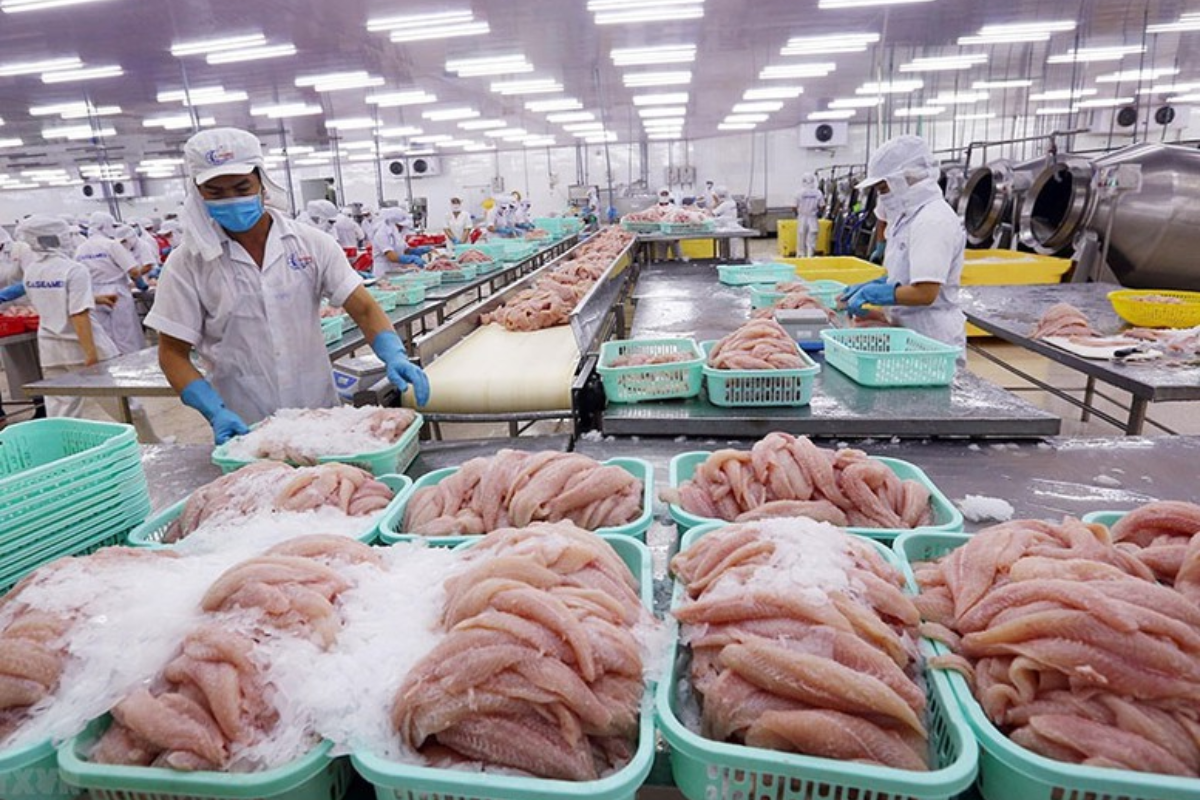
The GlobalG.A.P. standard in aquaculture covers the entire seafood supply chain, from broodstock, feed, hatchery and nursery operations, farming and harvesting, to processing. Photo: IT.
Investing in Standards: An Investment in Sustainability
The adoption of standards should not be perceived as a cost burden, but rather as a strategic investment for the future. It not only provides Vietnamese shrimp with a “passport” to access global markets.
More importantly, it compels farmers to transform their mindset and to manage their farms in a more professional, scientific, and responsible manner. This constitutes the most solid foundation for the sustainable development of the entire shrimp industry.
Source: https://khoathuysan.vnua.edu.vn/bon-chung-nhan-thuc-hanh-nuoi-trong-thuy-san-tot-pho-bien-nhat.html