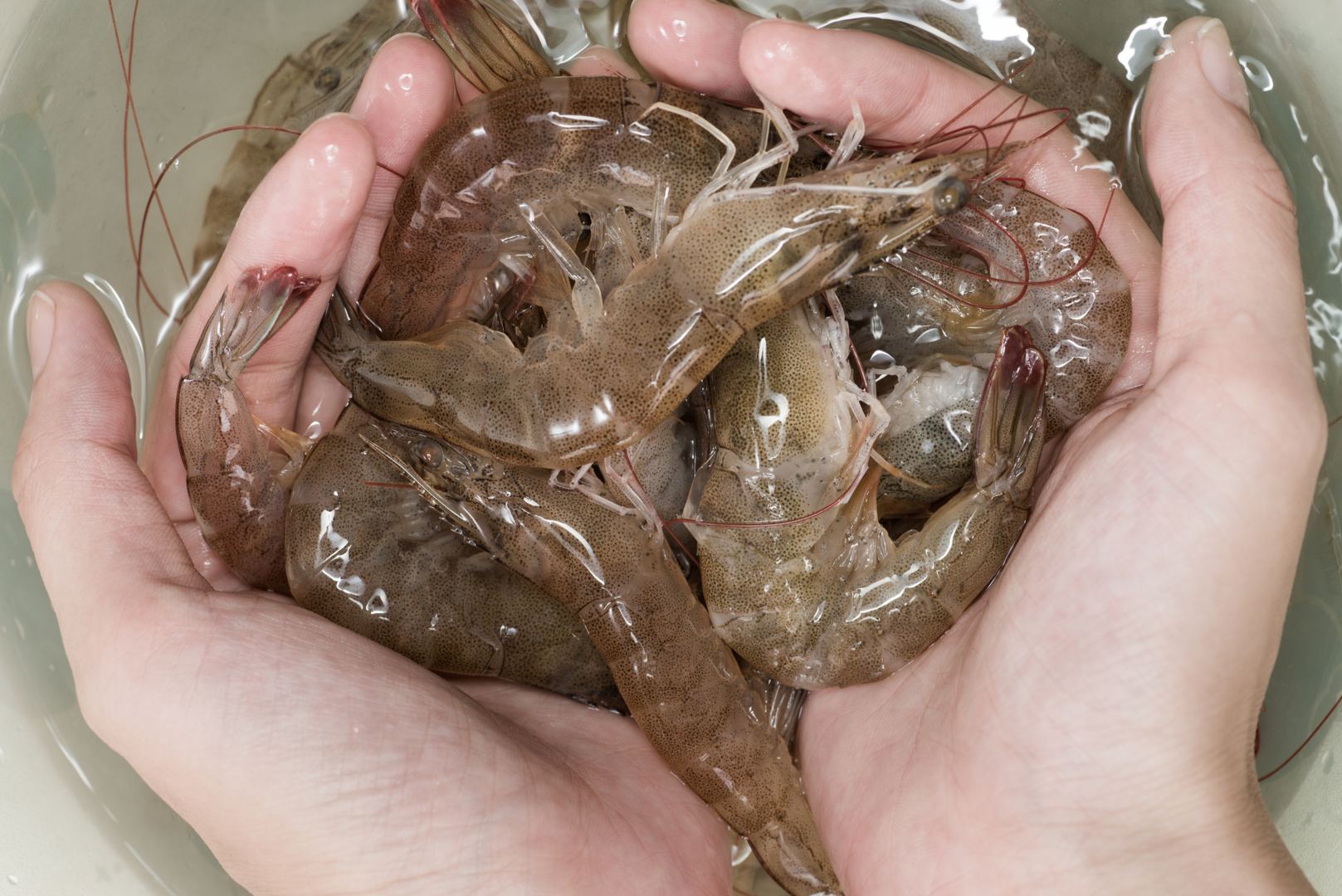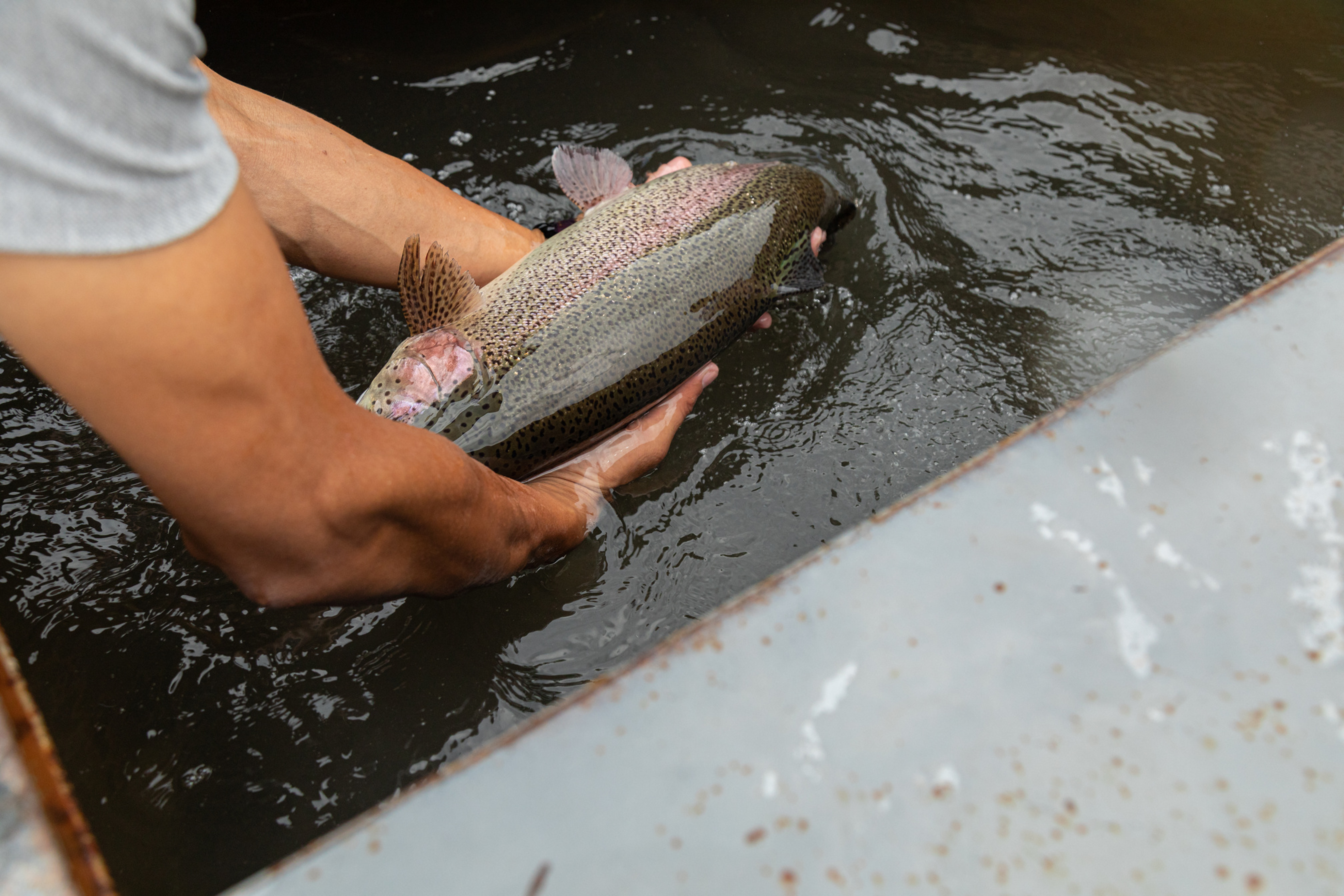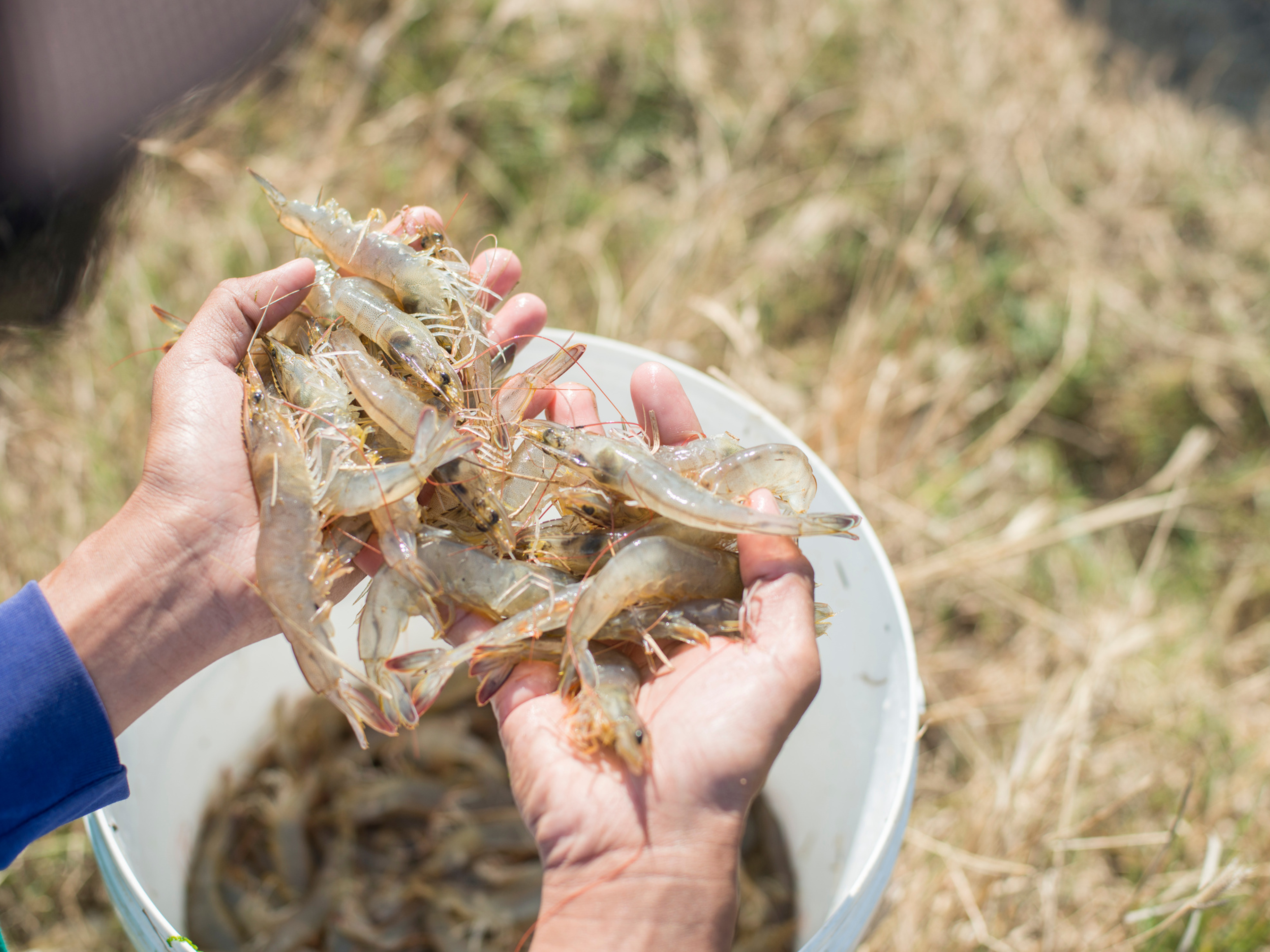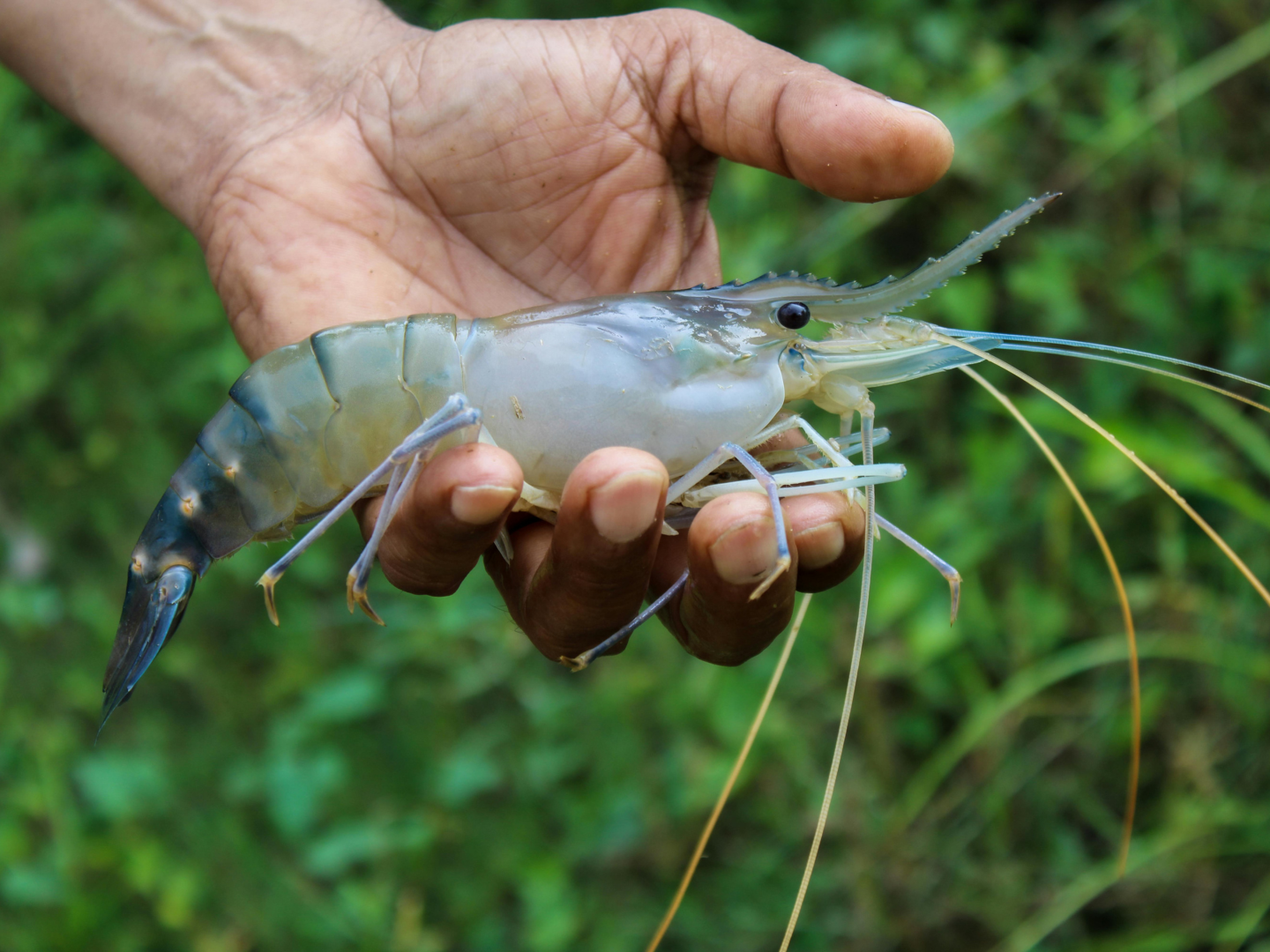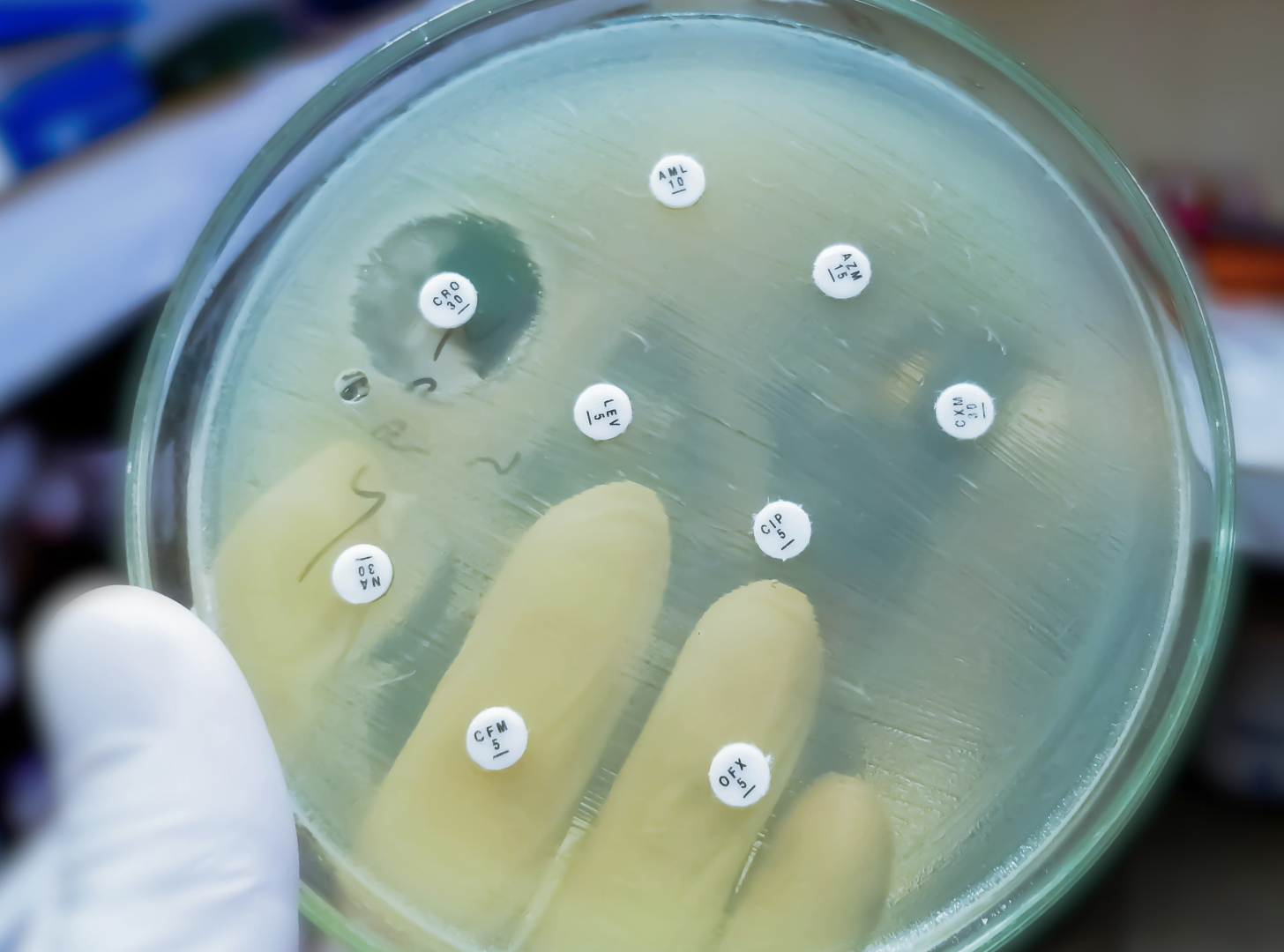
In addition to food safety standards such as ISO 22000, FSSC 22000, and GlobalG.A.P., ASC is regarded as a familiar certification standard for enterprises in the seafood industry.
The seafood industry plays a vital role in providing essential protein to billions of people worldwide. However, unsustainable aquaculture practices can generate negative environmental impacts, including water pollution, destruction of natural ecosystems, and threats to biodiversity. In this context, the need for a reliable certification system capable of ensuring the sustainability of seafood products has become more urgent than ever.
Previously, standards such as ISO 22000, FSSC 22000, and GlobalG.A.P. were regarded as essential certifications for seafood processing enterprises. Today, in order to provide a more comprehensive response to emerging realities and requirements, ASC—an international certification—supports the aquaculture sector in strengthening environmental protection and safeguarding ecosystems. In addition, ASC establishes requirements to ensure that workers are provided with the best possible working conditions.ASC certification is divided into two components: the farm standard, which applies to aquaculture farms, and the chain of custody standard, which applies to producers, processors, and distributors.
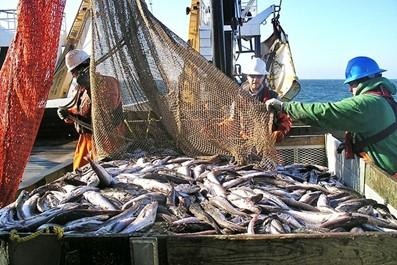
The ASC standard is regarded as an important certification that seafood enterprises need to obtain when exporting to international markets.
ASC standards are developed on the basis of scientific principles and through extensive consultation with stakeholders, including scientists, non-governmental organizations, producers, and retailers. This ensures the objectivity, transparency, and practical applicability of the standards.
ASC establishes separate standards for major farmed aquatic species, including salmon, shrimp, pangasius, tilapia, bivalve molluscs, and many others. Although there are certain differences among species-specific standards, all of them focus on core areas:
-
Environment: Minimize negative impacts on natural habitats, including waste management, efficient use of water resources, biodiversity conservation, and the prevention of the use of hazardous chemicals.
-
Social: Ensure fair and safe working conditions for employees, respect the rights of local communities, and address issues related to social welfare.
-
Animal Health: Apply best practices in animal health management, minimize the use of antibiotics, and ensure appropriate stocking densities.
-
Traceability: Establish effective monitoring and traceability systems, enabling consumers to identify that the products they purchase originate from ASC-certified farms.
-
Recognizing the advantages of applying the ASC standard in affirming quality and expanding into international markets, many Vietnamese enterprises have successfully adopted it. Notable examples include An Giang Fisheries Import-Export Company (Agifish), Go Dang Joint Stock Company, Hung Vuong Joint Stock Company, Vinh Hoan Joint Stock Company, and Quoc Viet Joint Stock Company (Ca Mau), among others. These are considered exemplary enterprises recognized for having multiple farming areas certified under the ASC standard.
ASC (Aquaculture Stewardship Council) is regarded as one of the leading certification organizations promoting responsible and environmentally friendly standards within the global seafood industry. Established in 2010 by WWF (Worldwide Fund for Nature) and IDH (the Sustainable Trade Initiative of the Netherlands), ASC is an independent, non-profit organization operating worldwide. Its primary objective is to establish and manage stringent standards for environmentally and socially responsible aquaculture.