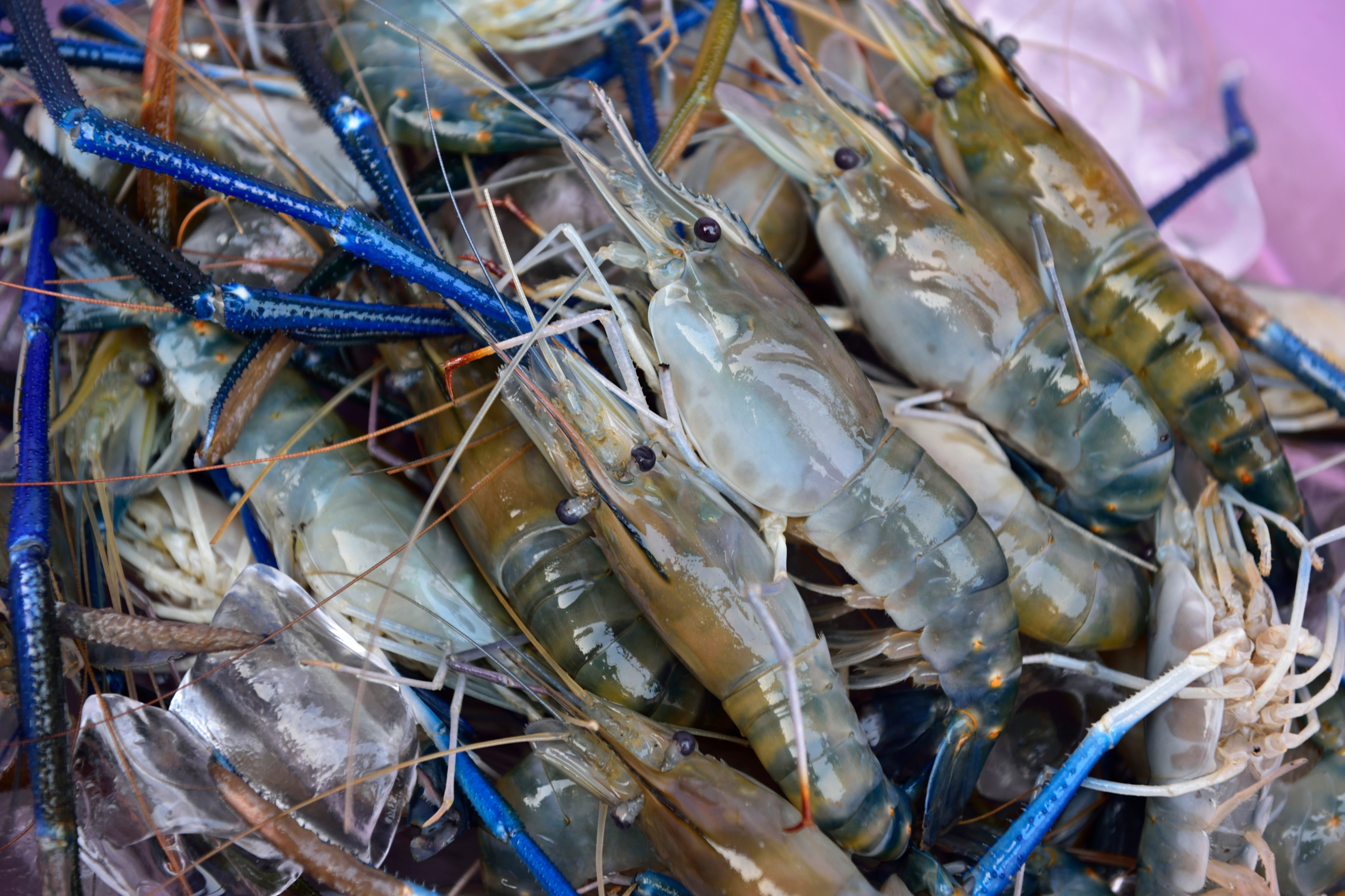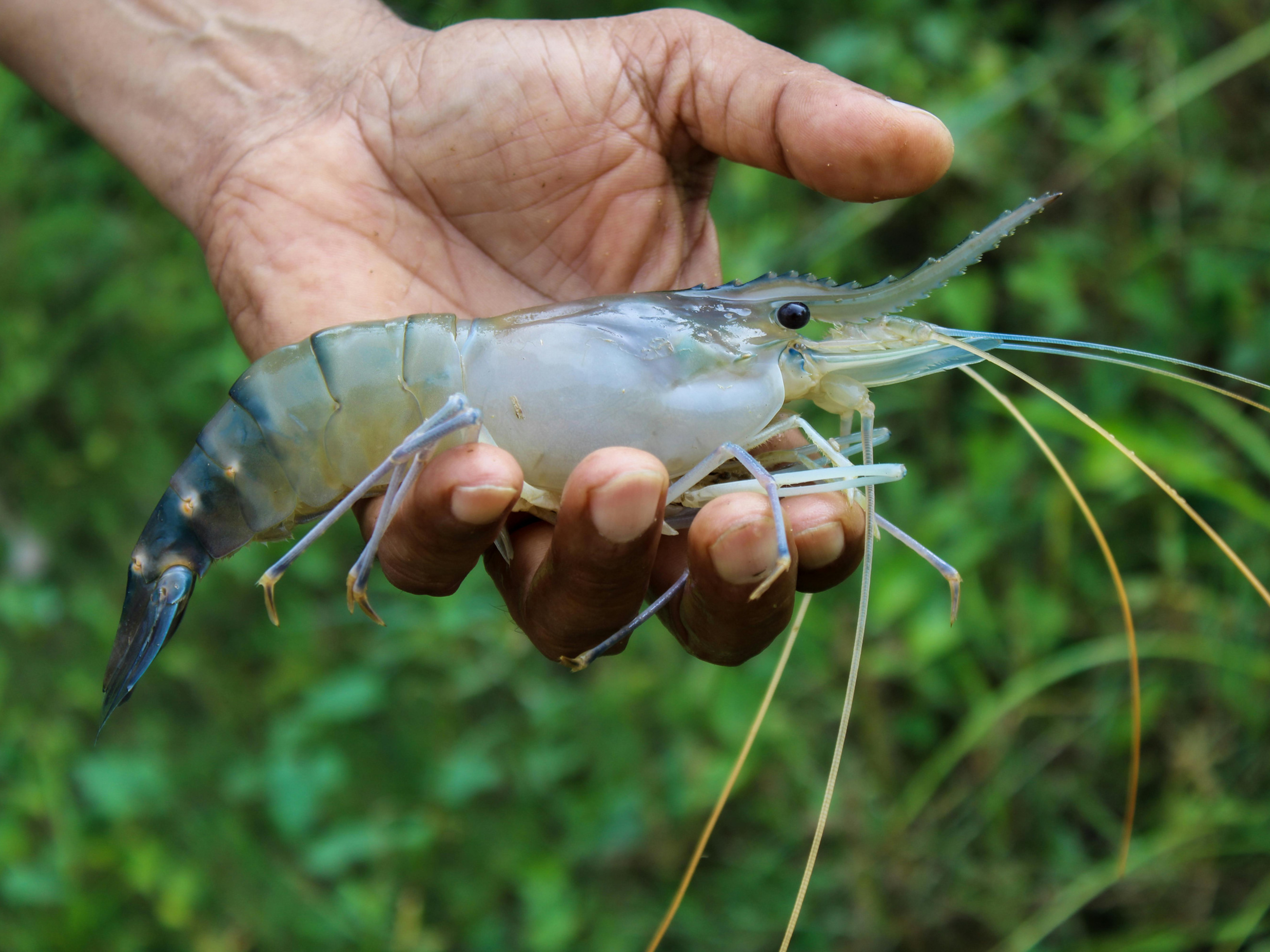
High-tech shrimp farming has enabled Vietnamese shrimp farmers to significantly reduce costs; however, further linkages and the adoption of new technologies are still required to continue lowering production costs.
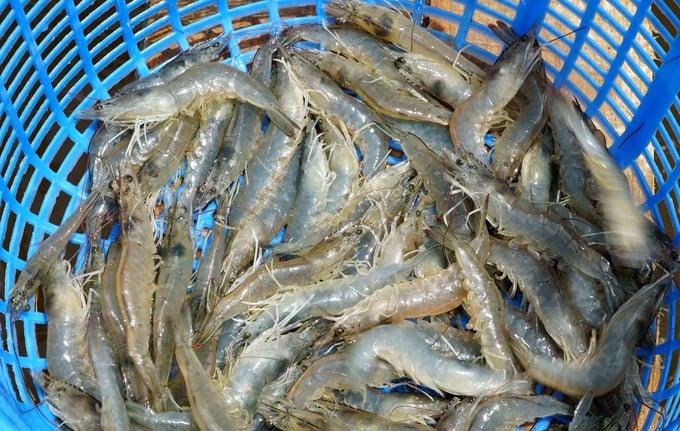
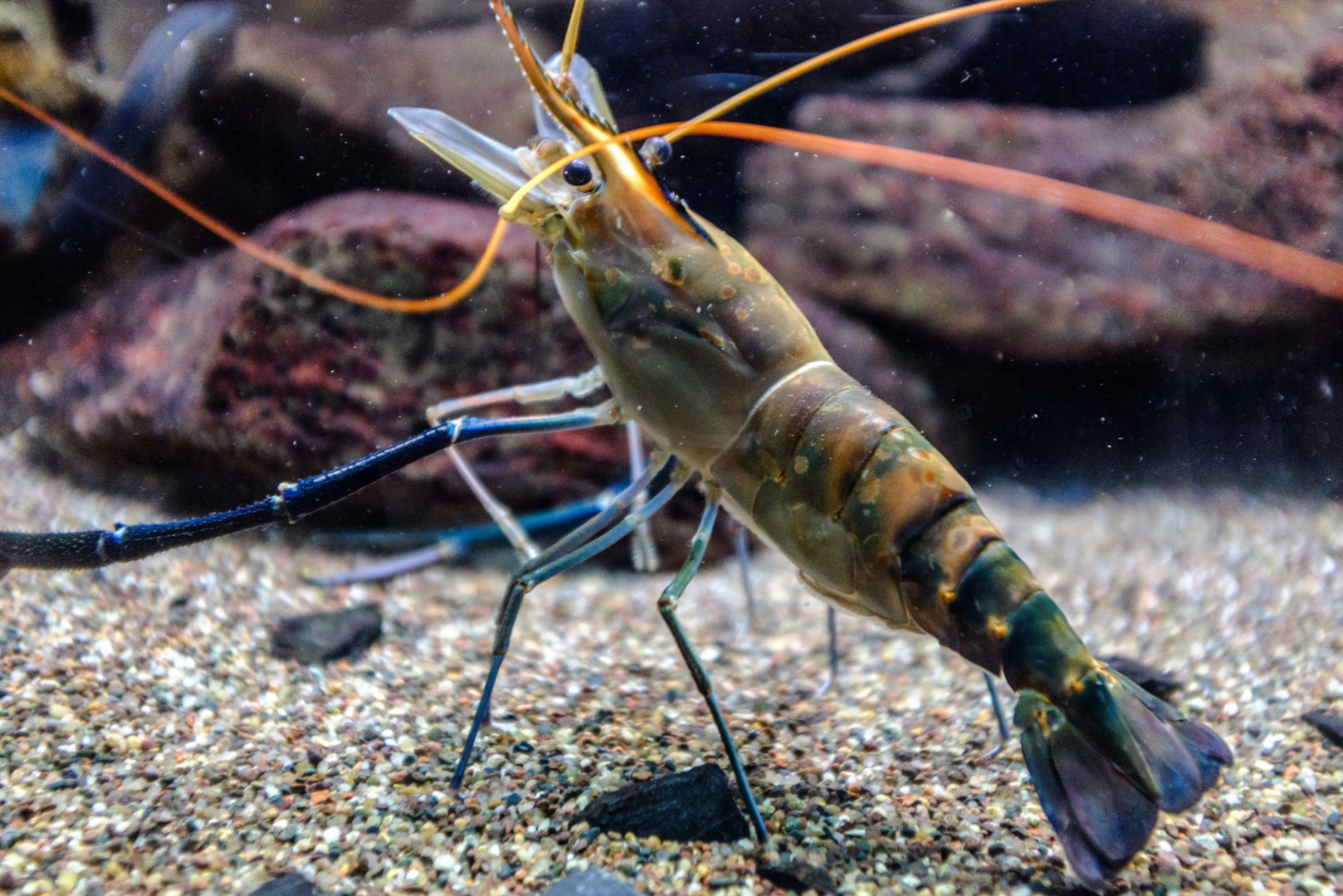
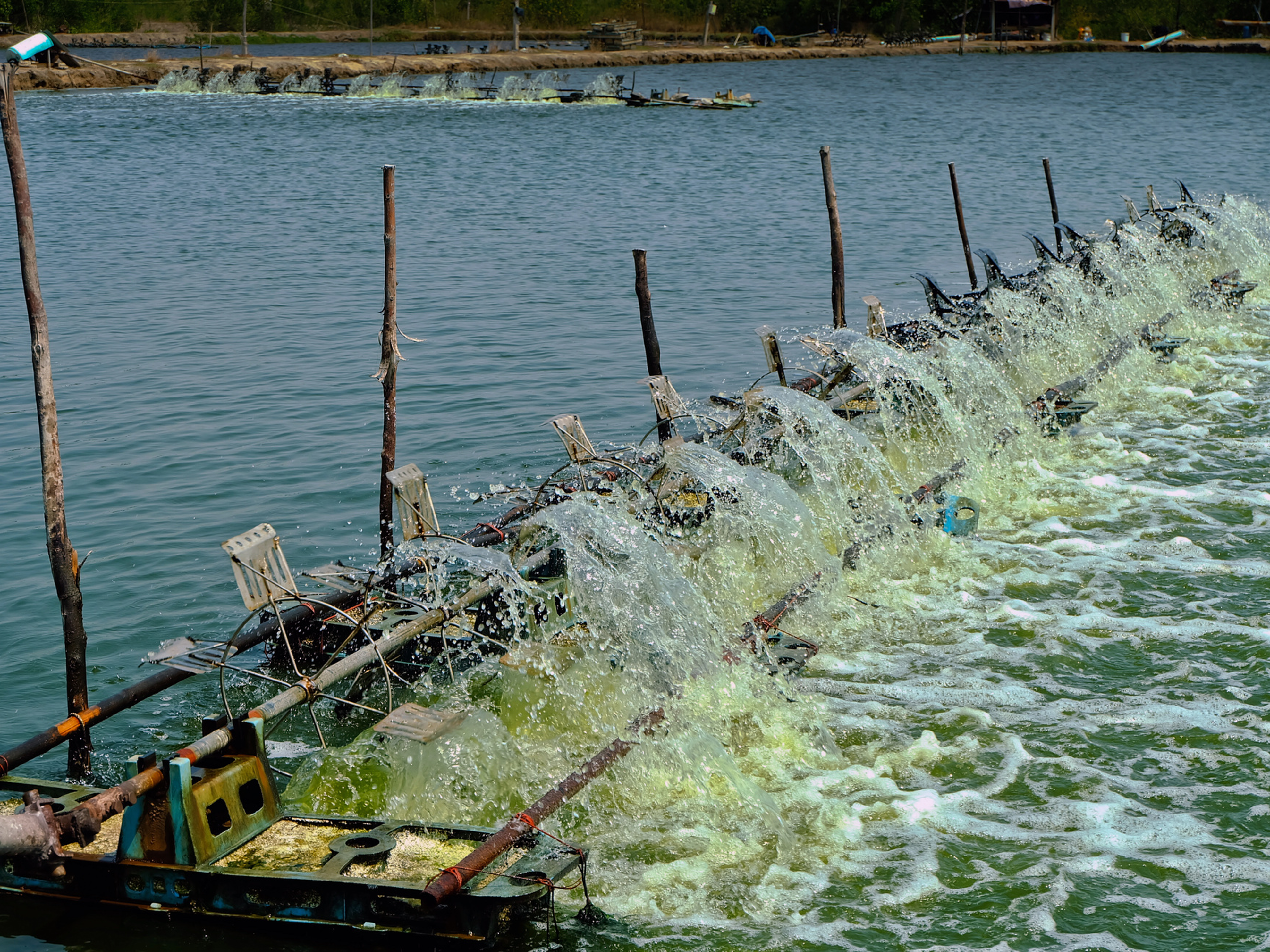
The production cost of Vietnamese shrimp remains significantly higher than that of shrimp from India and Ecuador. Photo: Le Binh.
For many years, the production cost of Vietnamese shrimp has consistently been higher than that of the same shrimp species from India and Ecuador. Therefore, in order to compete effectively in the global shrimp market, the Vietnamese shrimp industry must reduce production costs.
To achieve this, the application of high technology in shrimp farming is one of the most important solutions, as this model significantly reduces risks related to weather and disease while increasing productivity. However, to further lower costs, the Vietnamese shrimp industry still requires stronger production linkages, including cooperation with enterprises and high-tech shrimp farms.
According to Mr. Nguyen Van Cuong, Director of the Ba Ria - Vung Tau Agricultural Extension Center, first and foremost, stakeholders in the shrimp sector need to strengthen linkages among themselves: farms cooperating with farms, enterprises cooperating with enterprises, and so forth. Such linkages would help standardize production processes, stabilize output volumes, thereby ensuring stable markets, prices, and profits, enabling shrimp farmers to confidently engage in long-term production.
At the same time, linkages should be established between input suppliers, traders, and shrimp farmers through agreements and contractual arrangements to stabilize both input supplies and product outlets for farmers.
Cooperation within the shrimp sector will also play an important role in reducing production costs. Currently, due to the lack of high-quality domestic fishmeal sources, shrimp feed production relies heavily on imported fishmeal, particularly from Peru. Through strengthened linkages, enterprises and farms can reduce costs related to fishmeal as well as other imported feed ingredients.
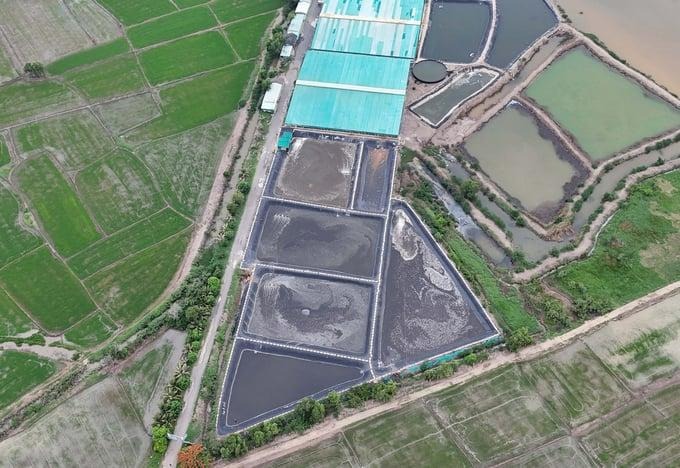
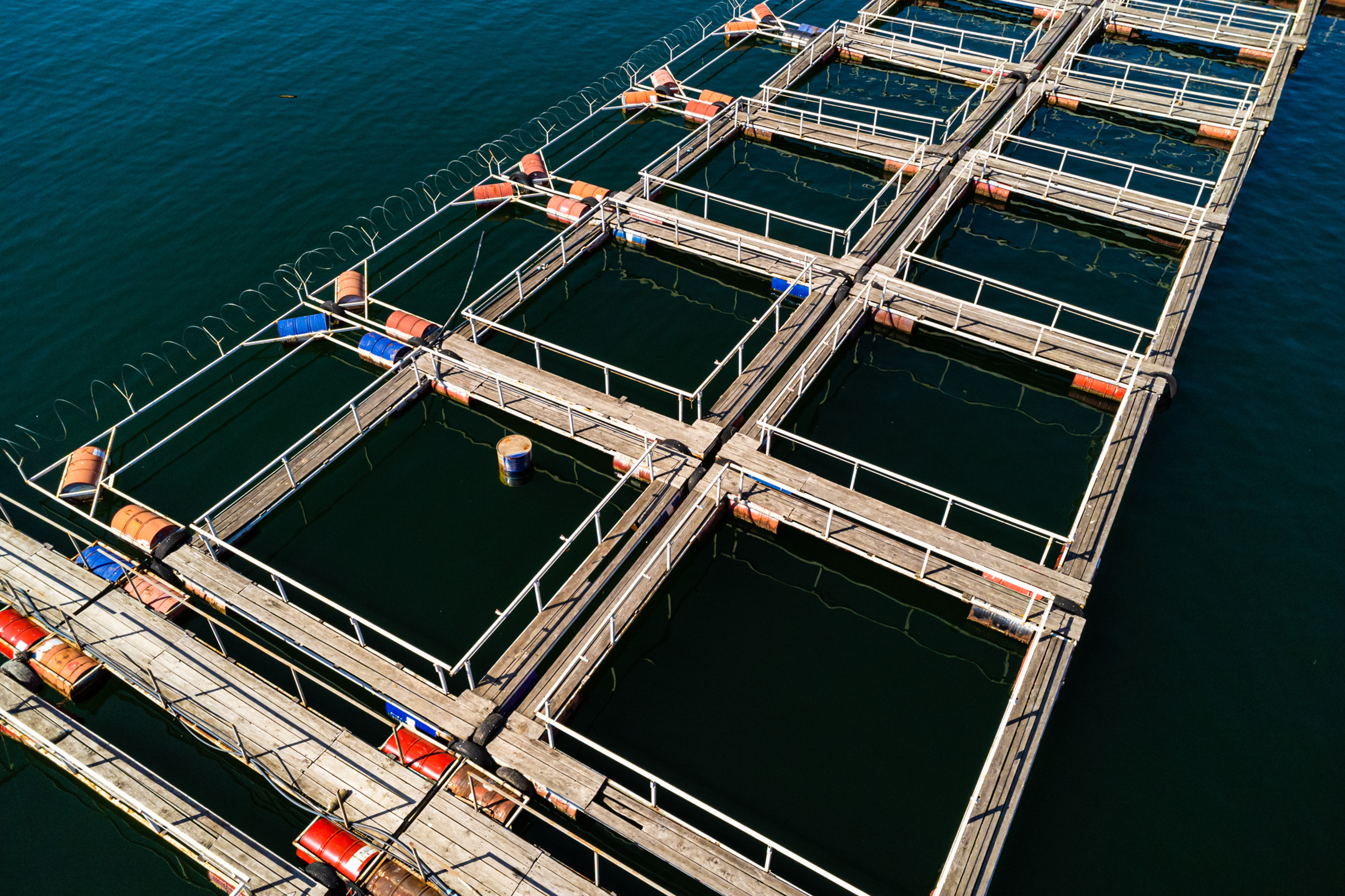
A high-tech shrimp farming facility in Ba Ria – Vung Tau. Photo: Le Binh.
According to Mr. Cuong, in order to reduce the production cost of Vietnamese shrimp, it is necessary to intensify the search for and application of cost-reduction solutions across all stages of production. Currently, feed accounts for 65% of shrimp farming costs, water and environmental treatment account for approximately 20%, seed stock accounts for 7–8%, and the remainder consists of electricity, water, labor, and other expenses. Therefore, priority must be given to reducing feeding costs through solutions that enable shrimp to absorb nutrients in the most efficient manner.
In the water treatment stage, there are existing technologies and solutions that are both effective and cost-effective, such as treatment using chlorine gas. Other technologies, including microbial mass cultivation technology for environmental treatment and closed-loop recirculating aquaculture systems (RAS), also contribute to lowering shrimp farming costs.
In recent years, in implementing provincial policies to encourage the development of high-tech agriculture and product consumption linkages, the Ba Ria- Vung Tau Agricultural Extension Center has introduced and transferred numerous new technologies and scientific and technical advancements to shrimp farmers, enterprises, and farms, thereby improving the efficiency of shrimp farming.
For example, in 2023 and 2024 in Ba Ria - Vung Tau, through the intensified application of cost-reduction solutions, when shrimp reached a size of 30 shrimp per kilogram, the average production cost was VND 100,000 per kilogram. At this cost level, even during periods when shrimp selling prices were at their lowest, farmers were still able to generate profits.
In addition, the Ba Ria – Vung Tau Agricultural Extension Center is guiding several enterprises in developing OCOP products from shrimp, such as sun-dried shrimp and crispy shrimp. Such processed products will help shrimp enterprises enhance product value within the local market, instead of selling raw shrimp to frozen shrimp processing factories.
Sơn Trang - Lê Bình
Source: Reducing Shrimp Farming Costs Through Linkages and High Technology
Date of publication: August 19, 2024