The two causative agents of Acute Hepatopancreatic Necrosis Disease and White Spot Disease, which annually cause losses of more than USD 3 billion to the shrimp industry, have shown encouraging signs.
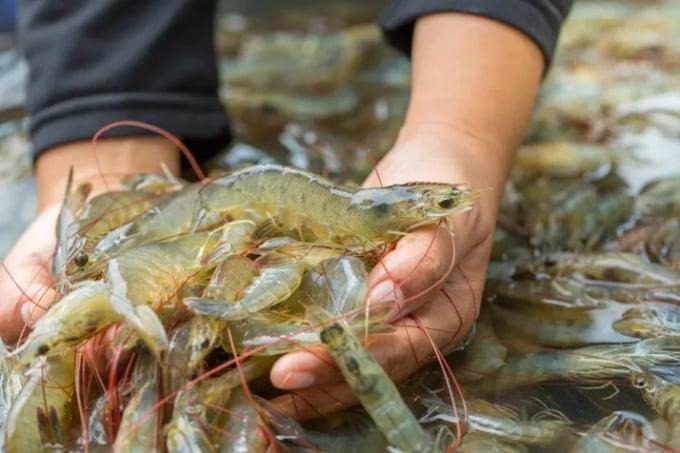
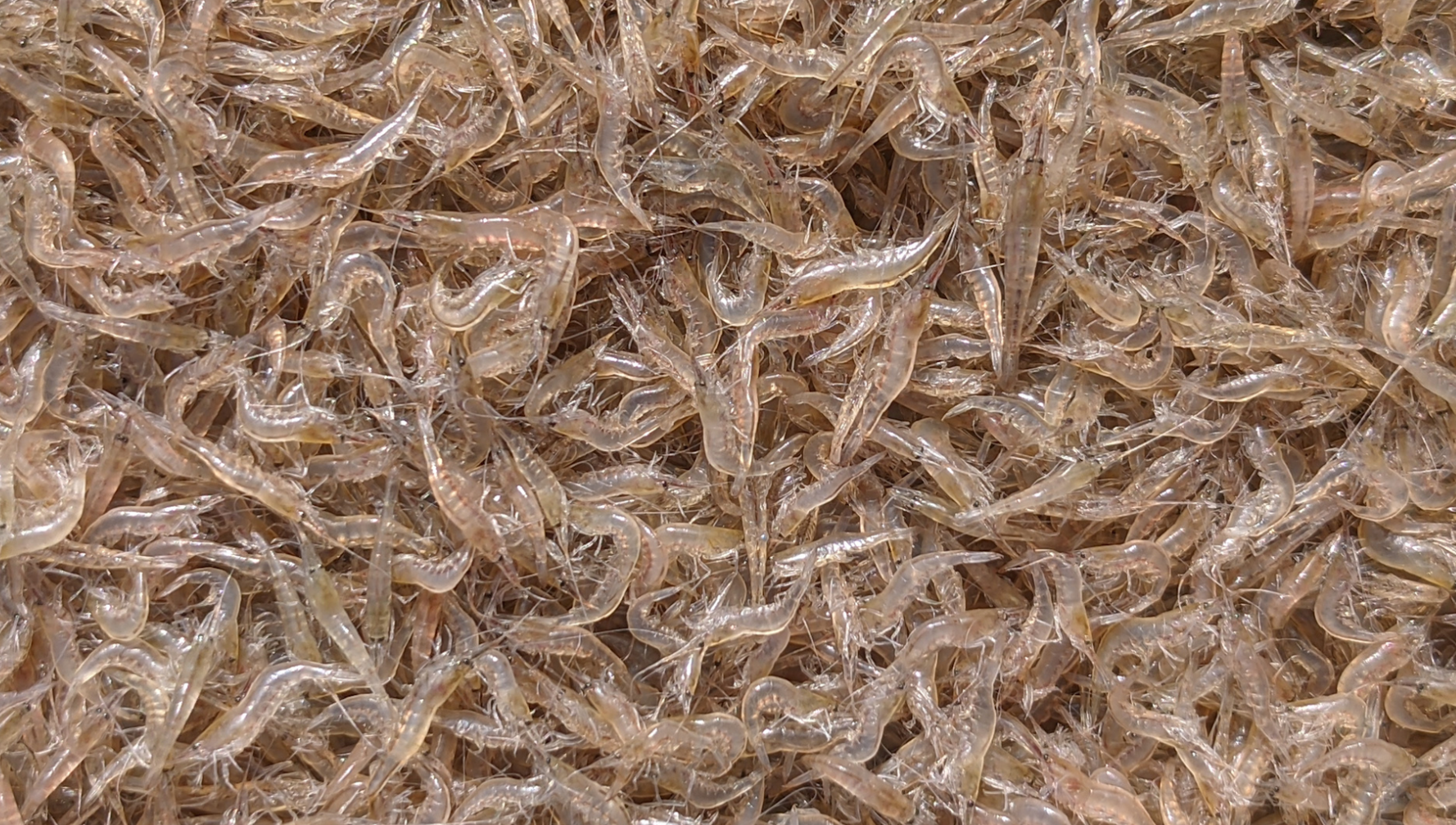
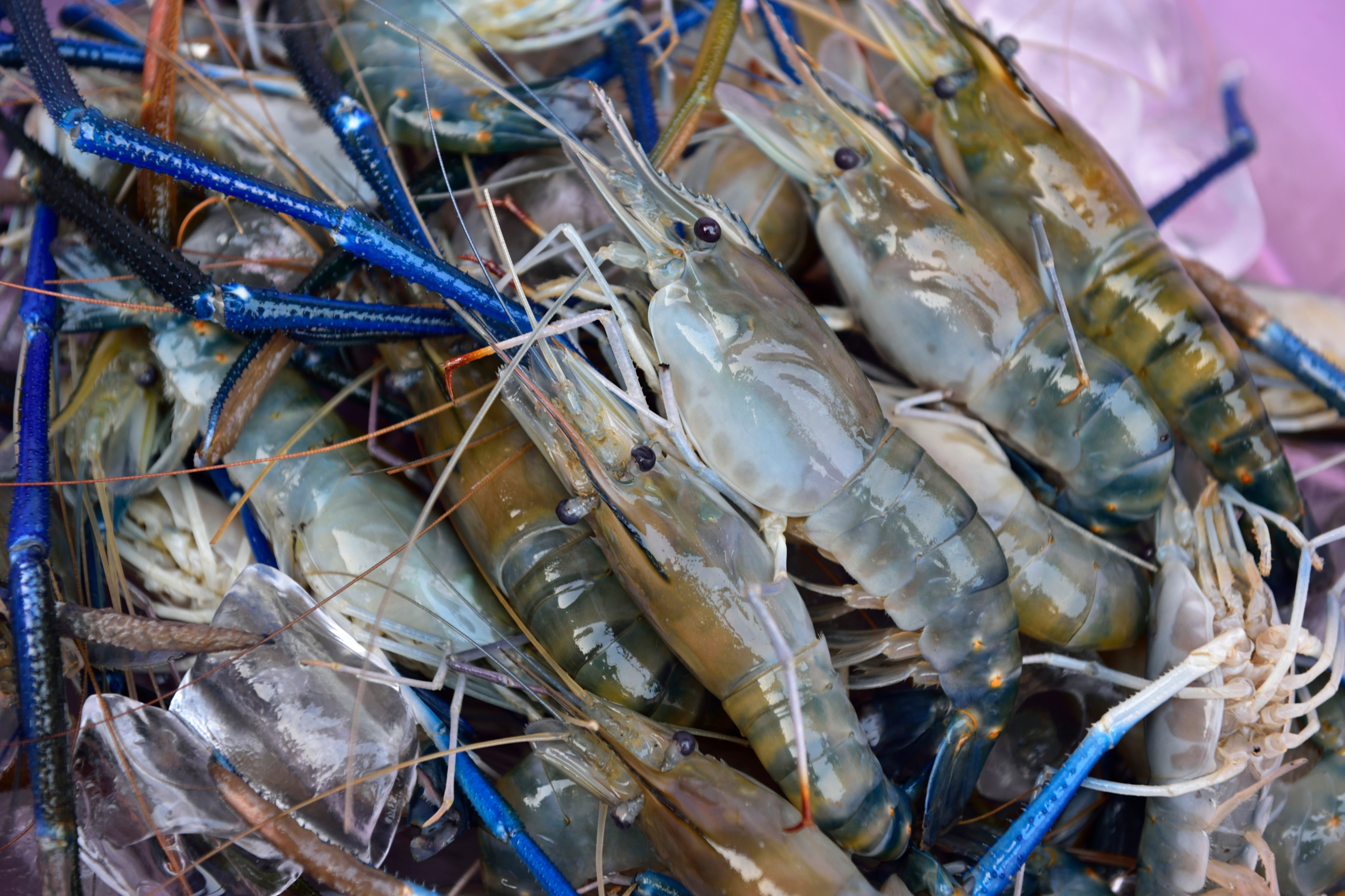
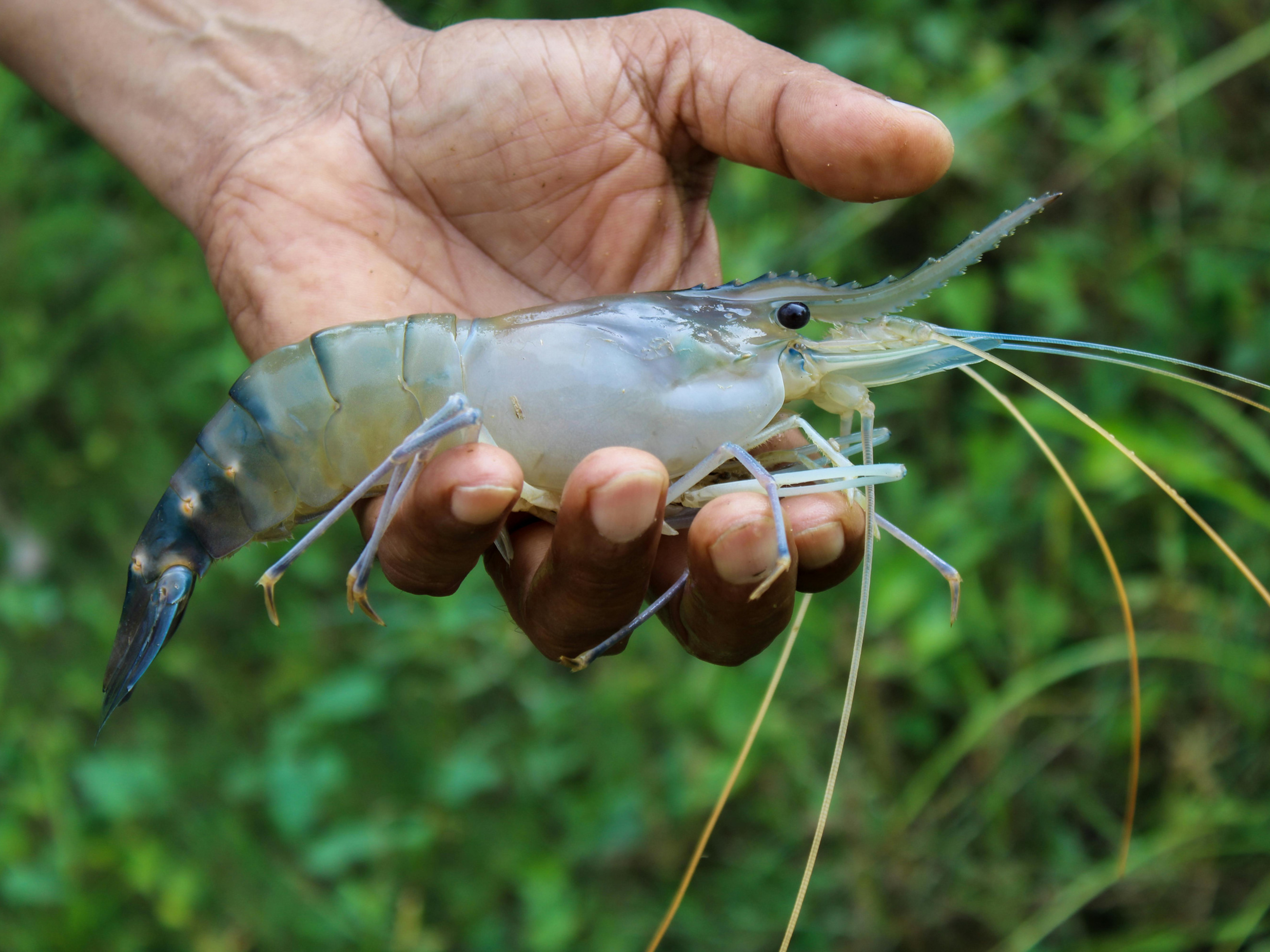
Catechin extract from green tea has been proven to protect farmed shrimp from outbreaks of Acute Hepatopancreatic Necrosis Disease (AHPND) and White Spot Syndrome Virus (WSSV). Photo: FS
A breakthrough study on the tea plant (Camellia sinensis) has shown that its extract contains bioavailable phytochemicals which scientists have demonstrated can protect farmed shrimp from outbreaks of Acute Hepatopancreatic Necrosis Disease (AHPND) and White Spot Syndrome Virus (WSSV).
These are two of the most prevalent diseases currently causing the most severe devastation to the global shrimp farming industry.
Recent trials conducted at the Aquaculture Research Facility of the University of Arizona (USA), led by Dr. Arun K. Dhar and Dr. Paul Schofield, have demonstrated that bio-catechin extract derived from green tea is capable of neutralizing harmful free radicals—thereby providing preventive protection for commercially farmed shrimp.
The first to identify the disease-resistant properties of green tea extract was Dr. Roger Duffield of Theales Corporation Limited, who devoted more than ten years to investigating the preventive effects of these compounds in humans and animals.
Most recently, he conducted dosage trials of the extract across a range of aquaculture species, including Pacific white shrimp. Prior to the trials, he developed an improved pharmaceutical polymer coating to prevent the rapid degradation of catechin in liquid form—one of the principal limitations affecting its effectiveness as a preventive agent against a broad spectrum of pathogens.

The tea plant (Camellia sinensis) is widely cultivated in many regions. Photo: iStock.
During the trials, the polymer-coated catechin extract was mixed into shrimp feed before the shrimp were challenged with one of the two pathogens.
Accordingly, in two challenge trials with AHPND, an average of 60% of shrimp fed 0.28 g of catechin-containing extract per 1 kg of feed survived, compared to 5% survival in the control group fed conventional commercial feed. In the first trial, 30% of the shrimp survived, while in the second AHPND trial, survival reached as high as 90%.
Meanwhile, in the WSSV challenge trial, although all infected shrimp ultimately died, those fed the control diet died by the end of the first day, whereas those fed the polymer-coated catechin diet survived for up to eight days after viral infection.
According to Dr. Duffield, these impressive results could be further improved through additional refinement studies, particularly by reducing the size of the polymer particles to facilitate easier absorption by shrimp. “The particle size of 250 mg used in these trials is too large; therefore, we need to reduce it to 200 mg or smaller. In addition, the concentration of active catechin compounds can be increased to enhance efficacy,” Dr. Duffield stated.
“In further studies, the catechin dosage will be 0.40 grams of catechin extract per kilogram of shrimp feed (equivalent to a 0.2 percent inclusion rate). We expect to achieve higher preventive efficacy against AHPND and at least 50% against White Spot Disease (WSSV) through smaller particle sizes and newly polymer-coated catechin,” Dr. Duffield noted.
Scientists hope that, based on scientific evidence, commercial acceptance of this preventive method for shrimp diseases will soon be achieved, as improvements in the particle size of the prophylactic agent will help the shrimp industry attain higher efficiency.
Previously, the disease-preventive health benefits of catechin extract in green tea have been widely recognized for their ability to neutralize harmful free radicals in human and animal cells. However, published literature indicates that their effects are significantly reduced due to rapid degradation and metabolism after oral administration.
Nevertheless, through innovative polymer-coating techniques, the shelf life of catechin extract can be extended by several years and its preventive efficacy improved across a range of species, including humans.
“Catechin extract in green tea acts as a free radical scavenger. The challenge is delivering it into the bloodstream without being metabolized or degraded. In clinical studies in both humans and animals, preventive catechin activity lasted only slightly more than 48 hours,” Dr. Duffield stated, adding that this method has now been approved by the World Health Organization for the prevention and control of zoonotic diseases, particularly COVID-19 and its variants.
Regarding its potential, Dr. Duffield considered it “highly significant thanks to the partnership with the Indian Tea Association, the world’s largest producer of Camellia sinensis tea varieties.”
He further stated: “Based on our current understanding, we anticipate commercial production and pricing of the prophylactic agent for farmed shrimp at approximately 3–4% of the retail cost per kilogram of shrimp feed.”
Source: Green Tea Extract Combats White Spot Disease and Shrimp Hepatopancreatic Necrosis
Date of publication: July 27, 2022