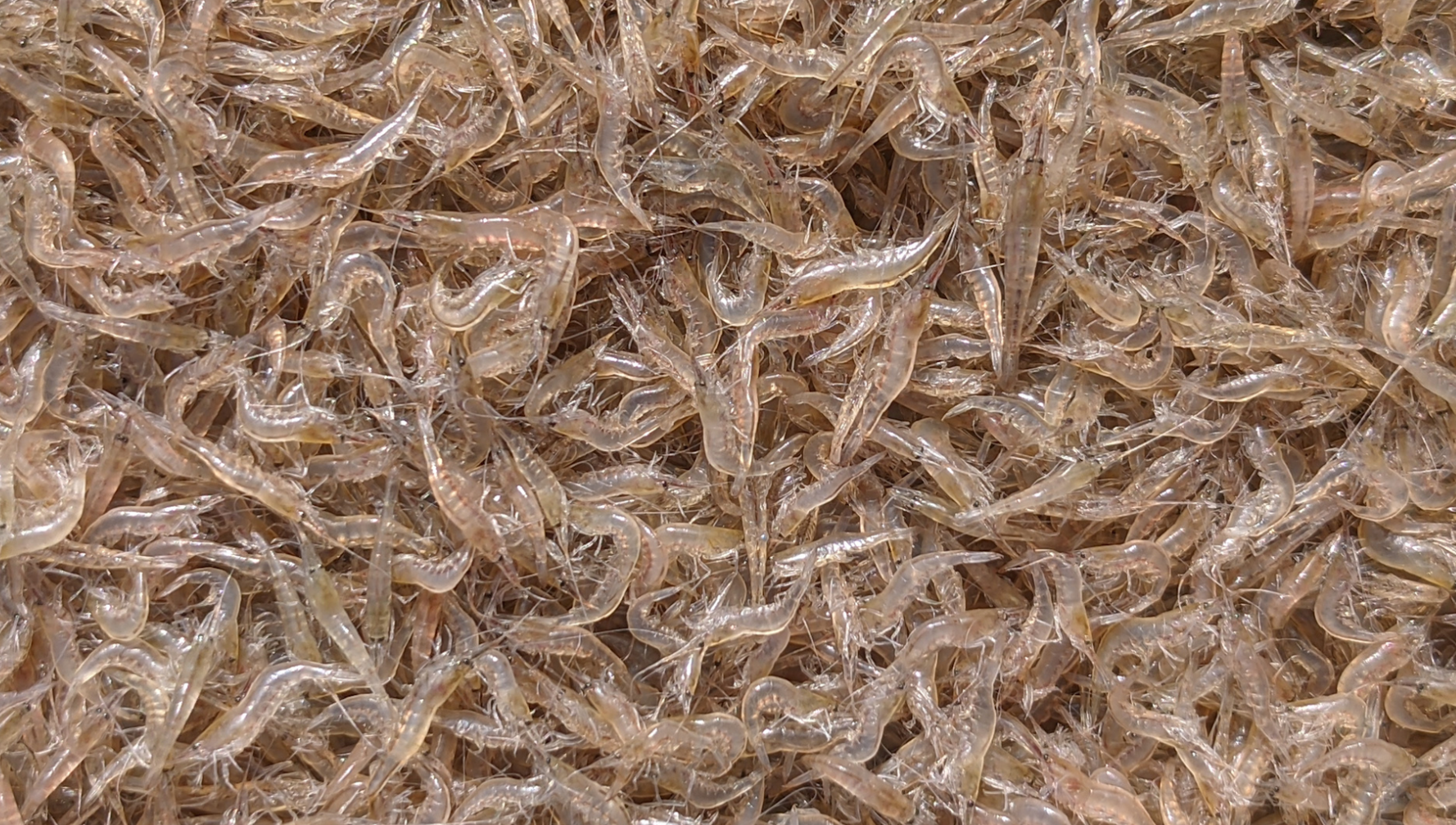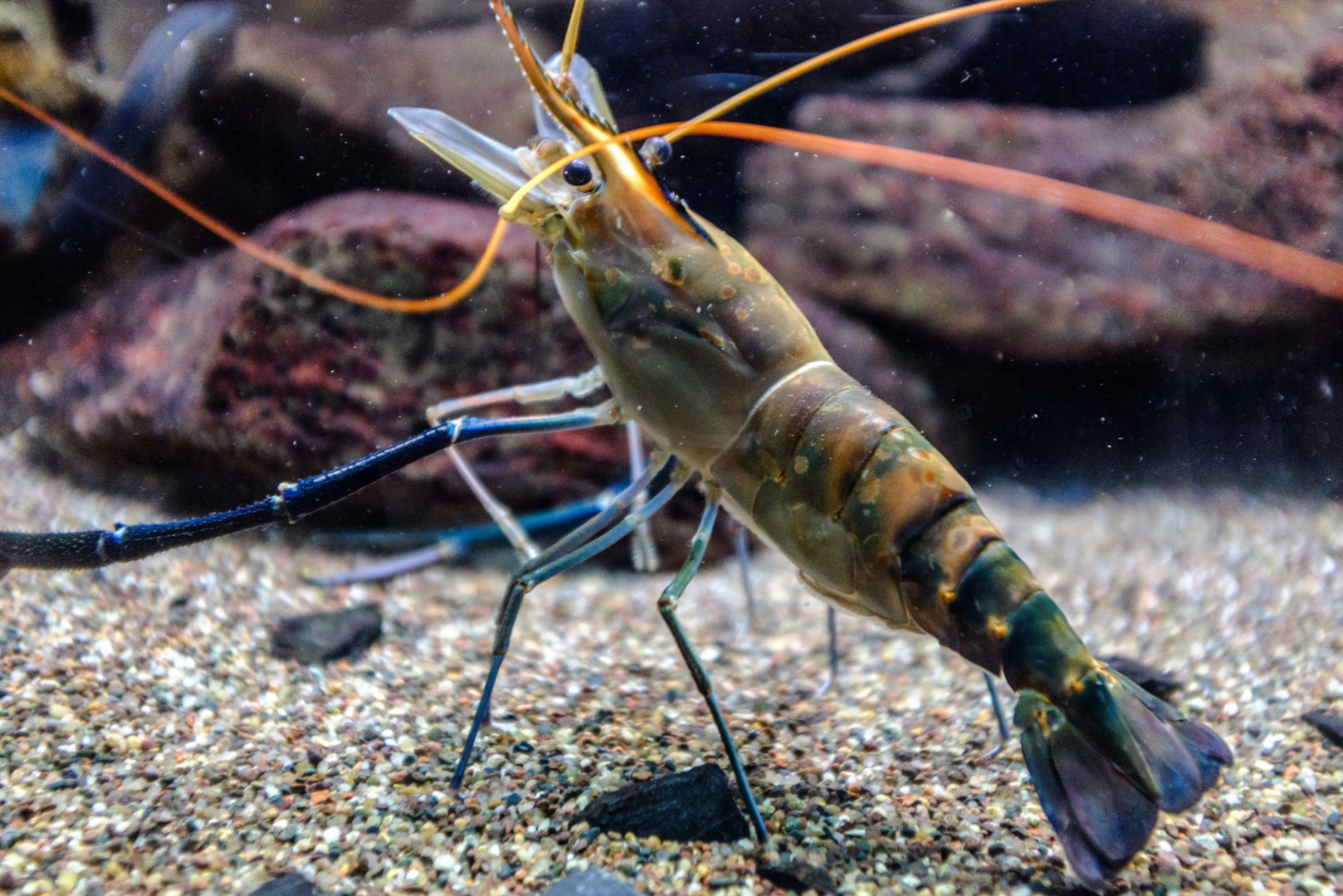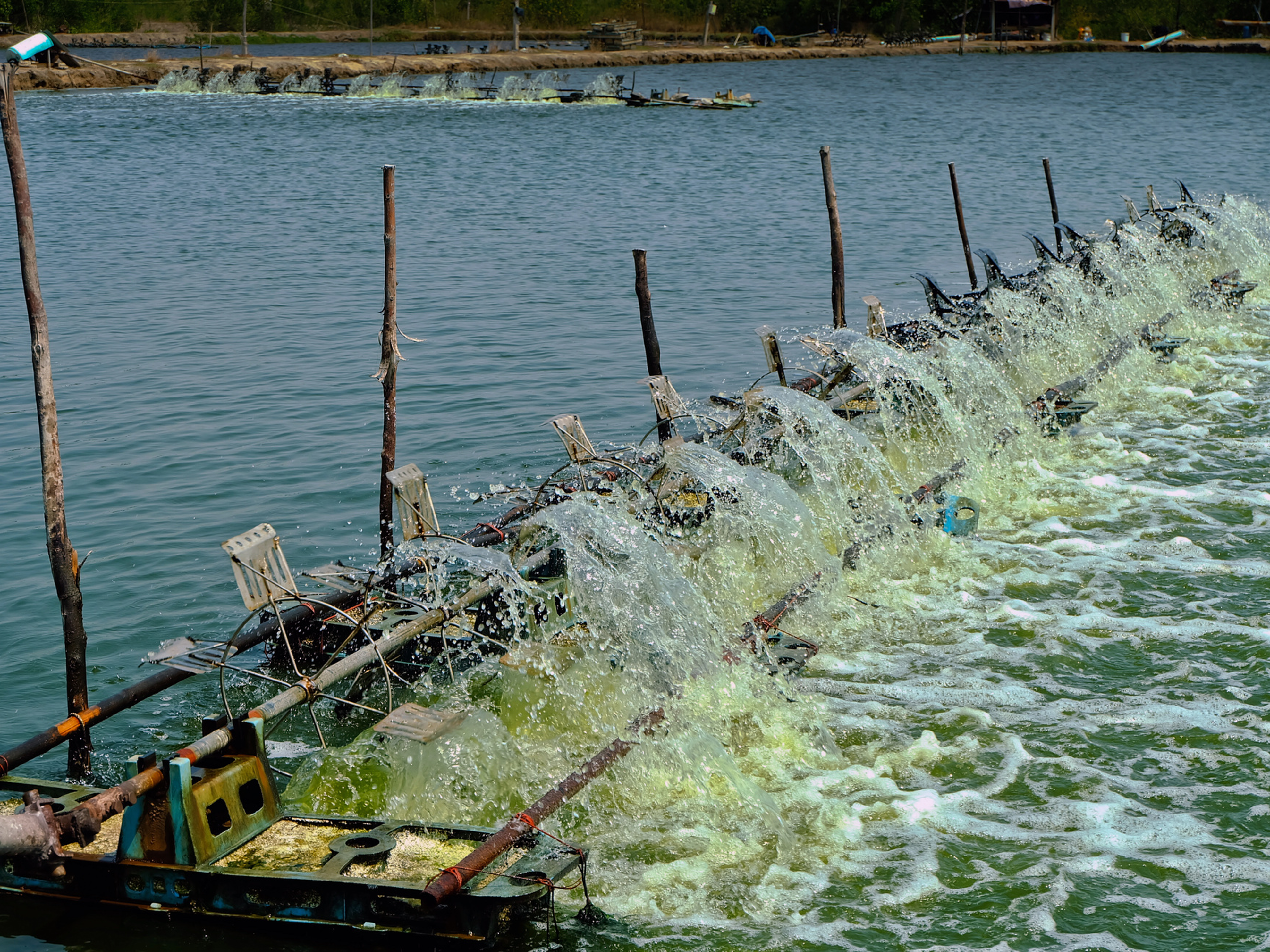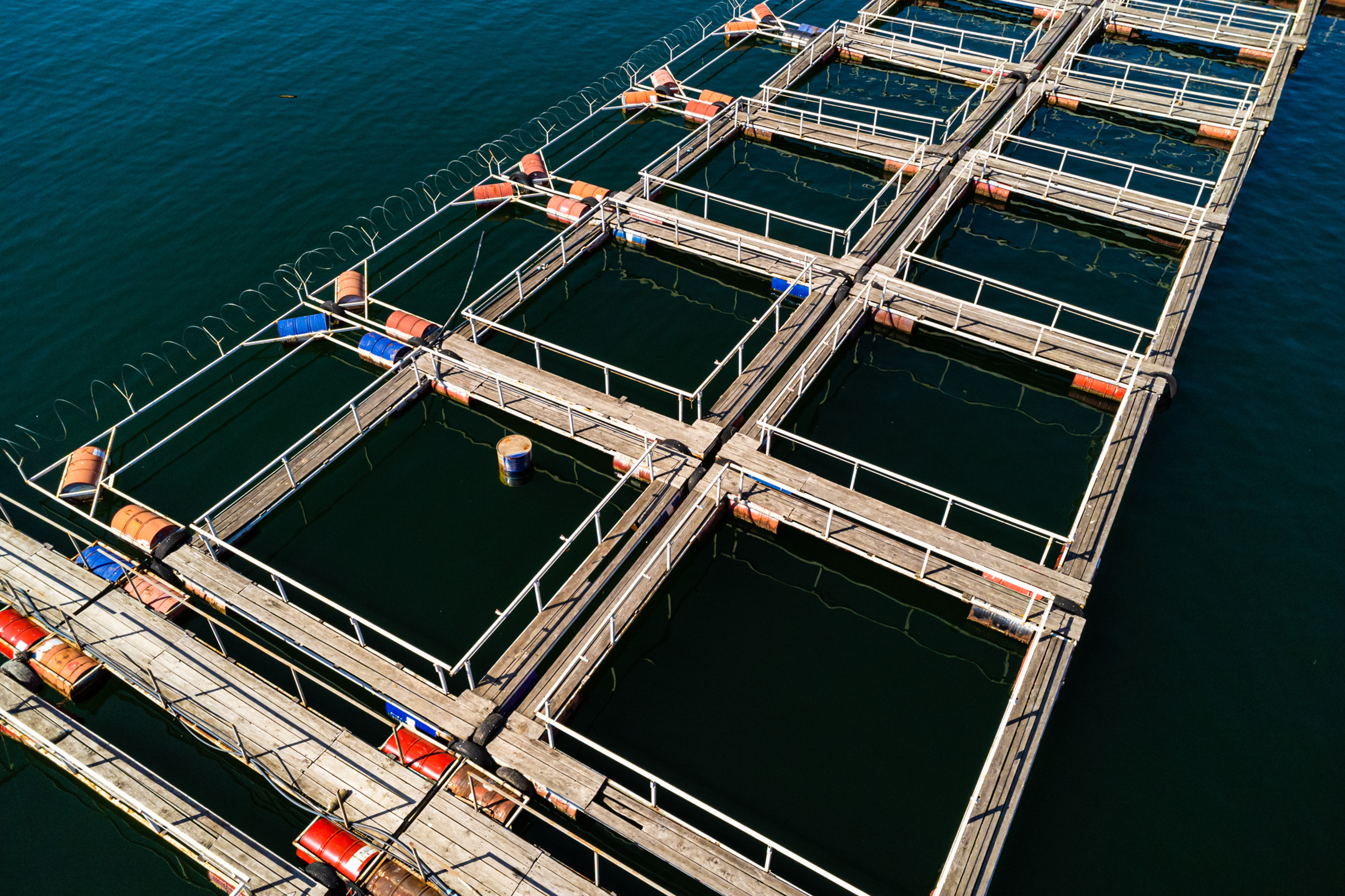
TRA VINH Shrimp farmers feed herbal supplements to limit disease outbreaks, while ensuring no antibiotic residues in products for export.
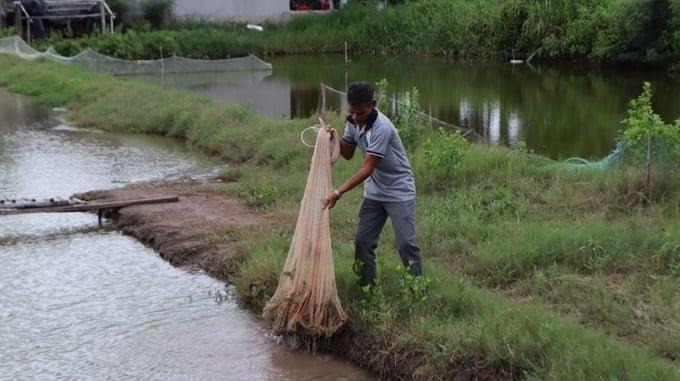
Shrimp farmers using herbal feed are harvesting their first crop. Photo: Ho Thao.
Reducing Shrimp Mortality Caused by Acute Hepatopancreatic Necrosis
In recent years, the shrimp farming sector in the Mekong Delta has faced numerous challenges arising from disease outbreaks, environmental pollution, and mass shrimp mortalities.
Of greatest concern is Acute Hepatopancreatic Necrosis Disease (AHPND), which has caused severe losses in shrimp farming areas. In the absence of a preventive vaccine, farmers have been compelled to rely on antibiotics. This not only affects shrimp quality but also makes it difficult to meet export standards due to antibiotic residues.
During the first nine months of the year, Acute Hepatopancreatic Necrosis Disease spread to 112 communes across 43 districts in 15 provinces and centrally governed cities nationwide, affecting more than 1,000 hectares of shrimp farming area. In Soc Trang, the largest infected area was recorded at 319 hectares, followed by Tra Vinh and Bac Lieu.
To address the urgent issue of preventing and treating Acute Hepatopancreatic Necrosis Disease, as well as to contribute to environmental pollution reduction and improve the market quality of farmed shrimp, experts believe that the use of herbal supplements in shrimp farming is an approach that has attracted increasing attention.
Currently, numerous studies indicate that herbal extracts not only possess antibacterial properties but also improve shrimp health, enhance feed absorption, and increase survival rates. In particular, herbal supplements are capable of strengthening the shrimp immune system, thereby reducing the risk of disease without the need for antibiotics.
Dr. Nguyen Thi Truc Linh, lecturer at the Faculty of Fisheries, Tra Vinh University, stated: “Experimental results at the university showed that shrimp infected with bacteria causing Acute Hepatopancreatic Necrosis Disease, after 14 days of being supplemented with herbal extracts derived from sour leaves and pond apple leaves mixed into feed, saw mortality reduced to 13%. Similarly, when supplemented with herbal extracts from sensitive plant leaves, the loss rate decreased to 18%. Meanwhile, the group of shrimp not supplemented with herbal extracts recorded mortality rates ranging from 46% to 100%.”
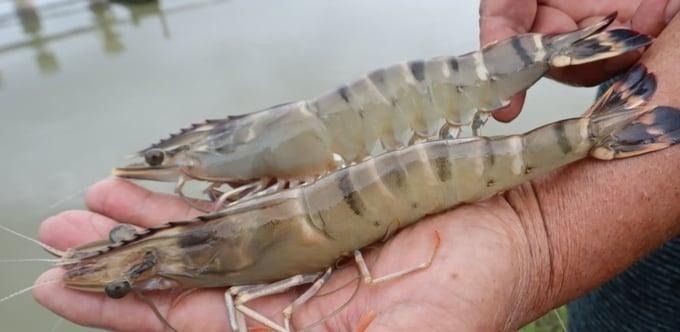
Mr. Hung’s shrimp reached a size of 20 shrimp per kilogram after only two months of farming. Photo: Ho Thao.
In Tra Vinh, numerous farmers have adopted herbal-based shrimp farming models, which have initially yielded highly positive outcomes after many years of indebtedness resulting from shrimp losses.
Mr. Le Thanh Hung, residing in Giong Trom Hamlet, Long Huu Commune, Duyen Hai Town, stated that two years ago his family incurred losses amounting to billions of Vietnamese dong due to disease outbreaks in farmed shrimp. Upon receiving consultation from a shrimp seed company, he decided this year to transition to herbal shrimp farming.
Mr. Hung piloted clean shrimp farming over a water surface area of 1,500 square meters, stocking 50,000 post-larvae per 1,000 square meters. After two months, the shrimp exhibited uniform growth and good quality, reaching a size of 20 shrimp per kilogram, with a survival rate of nearly 100%. Owing to the clean farming approach, traders purchased the shrimp at premium prices. This has become his most successful crop in the past three years, with estimated profits exceeding VND 250 million.
According to Mr. Hung, previously, during the early stage when shrimp were under 20 days old, he was often concerned about disease infections and therefore frequently administered antibiotics in feed and applied chemicals to the ponds. However, once shrimp contracted Acute Hepatopancreatic Necrosis Disease, they typically ceased feeding, rendering antibiotics ineffective.
“The excessive use of antibiotics also causes products to fail to meet export standards, diminishing their value and resulting in substantial losses for farmers. Instead, disease prevention should be undertaken by supplementing shrimp feed with herbal additives beneficial to the liver and intestines, thereby ensuring compliance with export requirements and enhancing the value of shrimp products,” Mr. Hung stated.
Enhancing Product Value Through Branding
The Department of Agriculture and Rural Development of Tra Vinh Province recommends that Acute Hepatopancreatic Necrosis Disease most commonly occurs in shrimp aged from 19 to 30 days, with signs such as loss of appetite, lethargic swimming, drifting to the pond edges, pale and weakened bodies. The shrimp intestine becomes shrunken and empty, and the hepatopancreas shows black spots visible to the naked eye.
Farmers should apply biosecurity measures such as using settling ponds to treat and disinfect water sources before supplying water to culture ponds. It is necessary to use biological products, clean feed, and control diseases in broodstock as well as post-larvae.
Before stocking shrimp, farmers need to check salinity levels, avoid stocking during periods of extreme heat, and rehabilitate ponds to remove excess organic matter. Periodic testing for bacteria in water and culture ponds should also be conducted. Settling and water filtration systems should be utilized to eliminate disease-carrying hosts and maintain biosecurity within farming ponds.
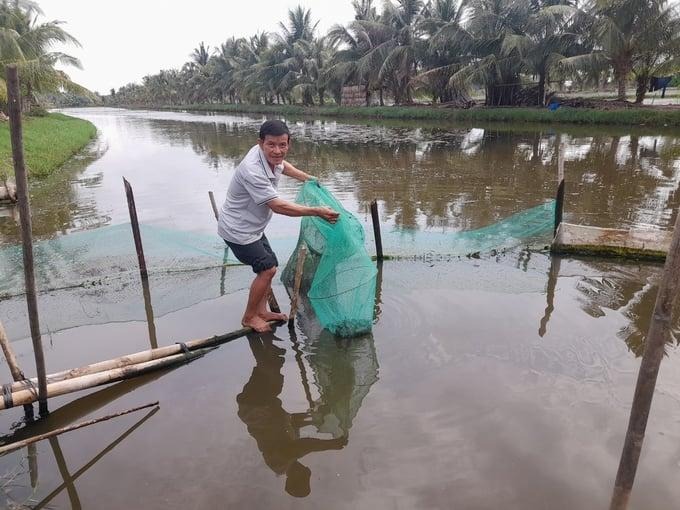
Herbal-fed shrimp farming also adds value by meeting export eligibility requirements. Photo: Ho Thao.
Mr. Diep Thanh Toan, lecturer at the Faculty of Agriculture (Tra Vinh University), stated that in the context of rising input costs, the economic efficiency of shrimp farmers has been affected; therefore, farmers are shifting to clean shrimp farming to adapt to market demands and improve economic performance. The biosecure shrimp farming model is becoming a sustainable direction, helping to reduce production costs and increase profits.
“Clean shrimp farming can generate added value for products through export activities or by building an organic shrimp brand to supply high-end restaurants. In addition, cooperatives can produce value-added products such as dried shrimp and shrimp crackers,” Mr. Toan further shared.
Source: Feeding herbal supplements helps farmed shrimp maintain liver health and improve intestinal function, thereby meeting export requirements.