The sustainable orientation entails producing products with a strong emphasis on environmental protection and meeting consumer requirements. This approach also clearly reveals the current limitations of our country’s shrimp sector. At the same time, it highlights the positive shifts toward sustainability by enterprises and farmers, as illustrated through specific examples provided in the following article.
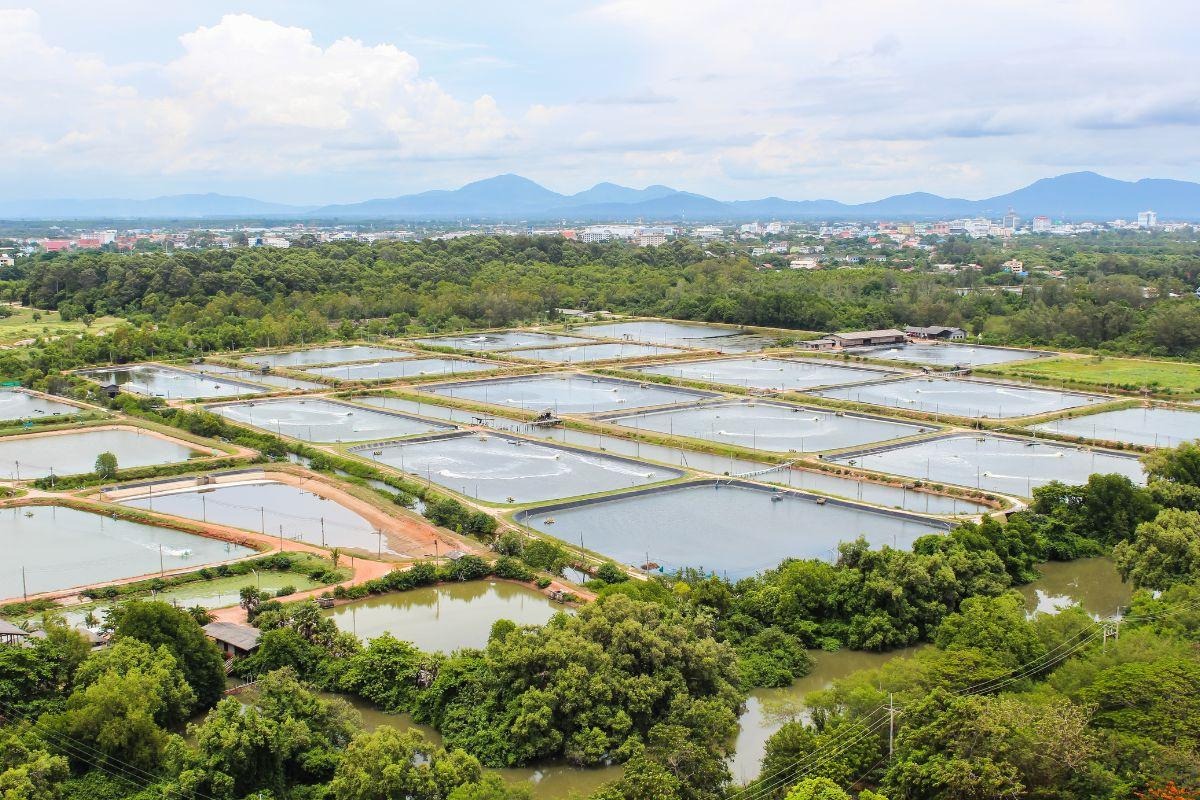
The shrimp sector needs to encourage the adoption of biological solutions and advanced technologies.
Global Seafood Consumption Trends
According to a study on the global seafood market by Innova Market Insights, there are five key factors driving seafood consumption trends. Foremost among these is sustainability and ethics. Consumers are increasingly attentive to environmental protection and are choosing sustainably developed products. Protecting nature and reducing carbon footprints are among the primary actions that consumers expect from brands.
In response, seafood brands are emphasizing their sustainability commitments. For example, the black tiger shrimp brand Naturkind Garnelen highlights its role in protecting coastlines and marine water resources, while the seaweed company Sea Man firmly commits to saying no to ocean plastic waste. Consumer interest in seafood products with a low carbon footprint is motivating producers to place greater emphasis on sustainability in their products.
In addition, four other factors driving seafood consumption trends are: Nutrition and health; Brand and origin; Technology and convenience; and Generation Z and purchasing power.
Regarding Brand and origin: Consumers in Europe and the United States are increasingly concerned about food provenance. Consequently, many seafood companies are required to disclose detailed information about sourcing, harvesting and farming methods, along with their sustainable development efforts. The World Benchmarking Alliance has assessed that this trend is shaping the global seafood market in 2024 and the years ahead.
In the United Kingdom, Marks & Spencer has ensured that nearly 60,000 tons of seafood used annually across its entire system have transparent origins. Consumers can use a seafood sourcing map to access information regarding product origins, harvesting methods, and international certifications associated with those products.
Enterprises Share Major Challenges Facing the Shrimp Industry
Công ty Cổ phần Thực phẩm Sao Ta (FMC), located in Sóc Trăng Province, is a representative Vietnamese enterprise that ensures product transparency through its integrated farming–processing–export value chain. In 2015, Sao Ta was placed under anti-dumping investigation for shrimp exports to the United States; however, due to its transparent accounting records, the United States Department of Commerce reduced the anti-dumping duty rate from 5% to 0%. Currently, Sao Ta exports more than USD 250 million annually to its primary markets, Japan and the United States, both of which require high-quality and transparent products.
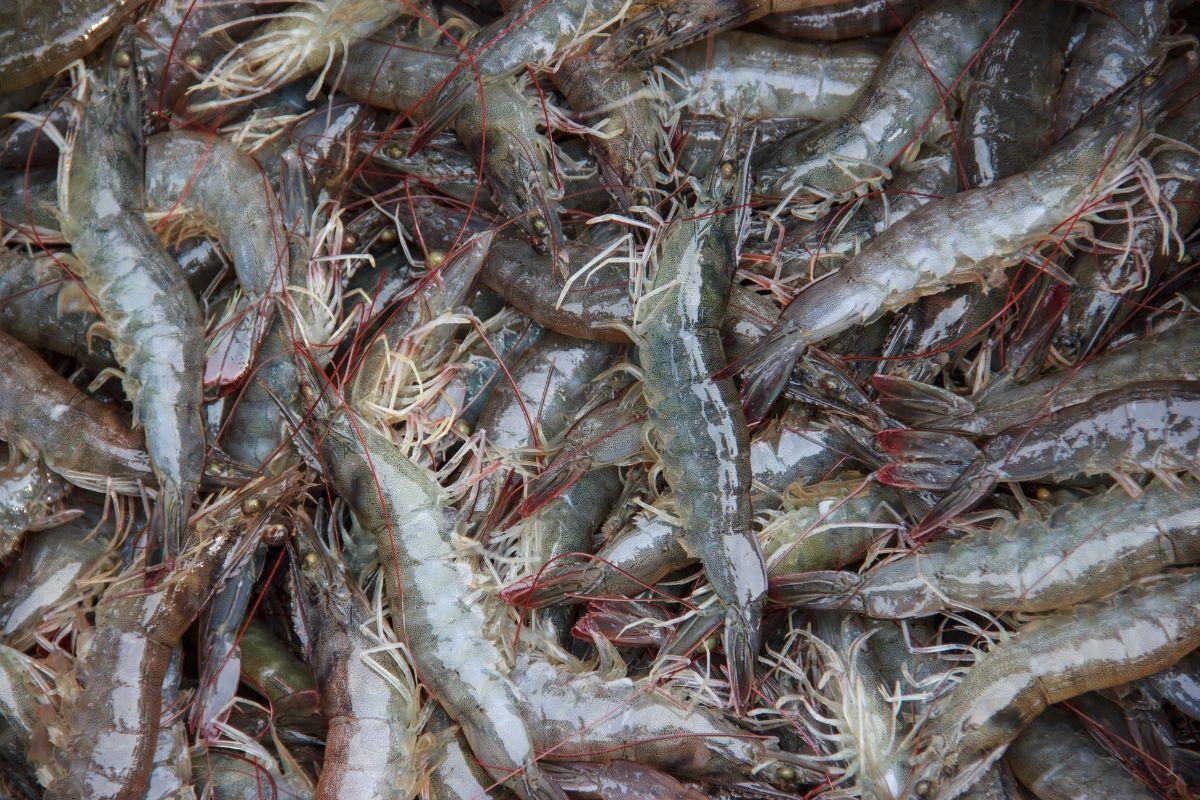
The most concerning issue at present is the presence of chemical and antibiotic residues.
The Chairman of the Board of Directors of the Company, Dr. Hồ Quốc Lực, shared with the press: “The most concerning issue at present is the presence of chemical and antibiotic residues in commercial shrimp. This represents a significant risk, directly affecting the reputation and competitiveness of the Vietnamese shrimp industry in international markets. Currently, major markets such as the EU, the United States, and Japan all enforce very stringent regulations regarding the use of chemicals and antibiotics in food products. However, in Viet Nam, the control of this issue still faces numerous challenges. Shrimp seed sources may sometimes carry pathogens, while water sources for farming may contain untreated bacteria or chemical residues, making ponds vulnerable to risks. When shrimp becomes infected, farmers often resort to antibiotics to save their ponds. However, this practice leads to antibiotic residues in shrimp, thereby affecting product quality.”
To address this issue, Dr. Hồ Quốc Lực proposed the following recommendations: “First, the competent authorities must strictly control the list of permitted chemicals and antibiotics, while preventing the circulation of prohibited substances. Second, it is necessary to organize additional training courses to guide farmers in disease identification, proper medication use, and ensure sufficient withdrawal periods for shrimp to fully eliminate residues prior to harvest. Finally, the sector should encourage the adoption of biological solutions and advanced technologies as alternatives to antibiotics. If these measures are effectively implemented, we will not only maintain our export markets but also promote more sustainable development of the shrimp industry.”
The Shrimp–Rice Farming Area Develops International Certification
Shrimp farming areas in many localities have been focusing on expanding internationally certified farming areas to enhance competitive advantage. For example, Thới Bình District has more than 20,000 hectares of shrimp–rice farming, accounting for over 50% of the total shrimp–rice farming area of Cà Mau Province. The greatest benefit of obtaining international certification is addressing unsustainable shrimp farming practices among small-scale households, reducing negative environmental impacts, and changing inappropriate practices to develop a stable production chain. These certified areas are associated with environmental protection, ensuring livelihoods for producers, and promoting sustainable development of the shrimp industry. Currently, Thới Bình District has 2,656.78 hectares of shrimp farming that meet international standards. Of this area, 987.58 hectares in Trí Lực Commune and 972.4 hectares in Trí Phải Commune have achieved Aquaculture Stewardship Council (ASC) Group certification; and 696.8 hectares in Biển Bạch Đông Commune have achieved Best Aquaculture Practices (BAP) certification. Shrimp products from these areas are well received in the EU, United States, Japan, and South Korea markets.
By 2025, the district aims to develop an additional 1,000 hectares of shrimp farming meeting international certification standards. In addition, nearly 2,000 hectares of shrimp farming following organic or organic-oriented processes will be developed. Upon obtaining international certification, purchasing enterprises provide farmers with an additional VND 3,000 per kilogram of raw shrimp, thereby encouraging active participation.
To achieve these objectives, the district focuses on three key areas: developing production cooperatives to establish concentrated shrimp farming zones linked with export processing enterprises; collaborating with research institutes, universities, and international organizations to apply scientific and technological advancements in shrimp farming; and mobilizing resources to implement plans and promote internationally certified shrimp brands to the market.
Publication date: 14/02/2025
Source: https://tepbac.com/tin-tuc/full/nganh-tom-chuyen-dong-huong-ben-vung-37555.html