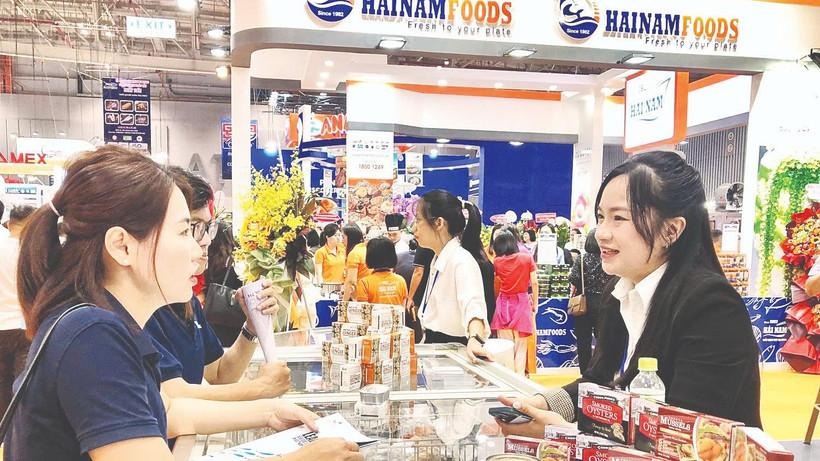
Visitors explore seafood products at the Vietfish Fair. (Photo: MỸ PHƯƠNG)
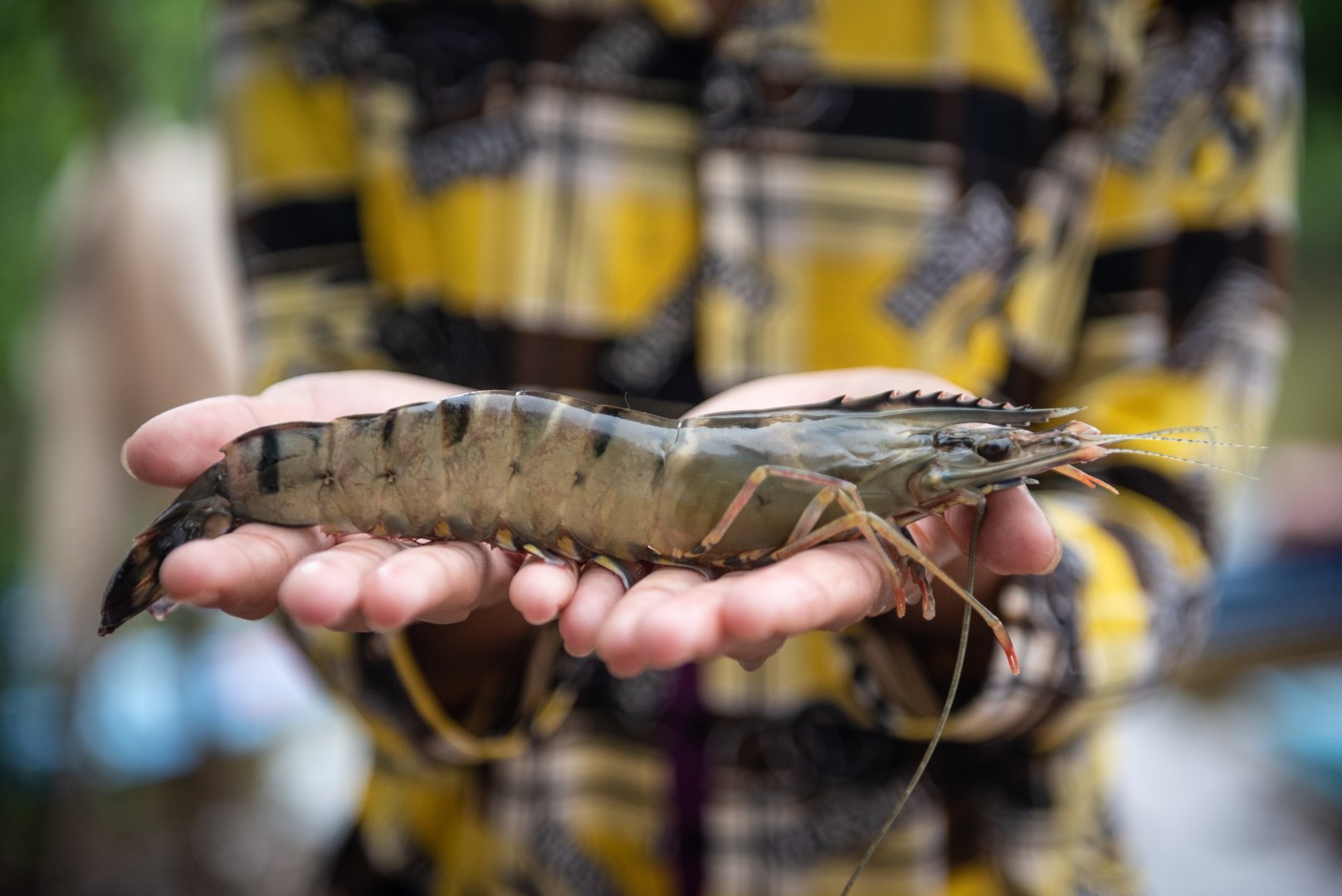
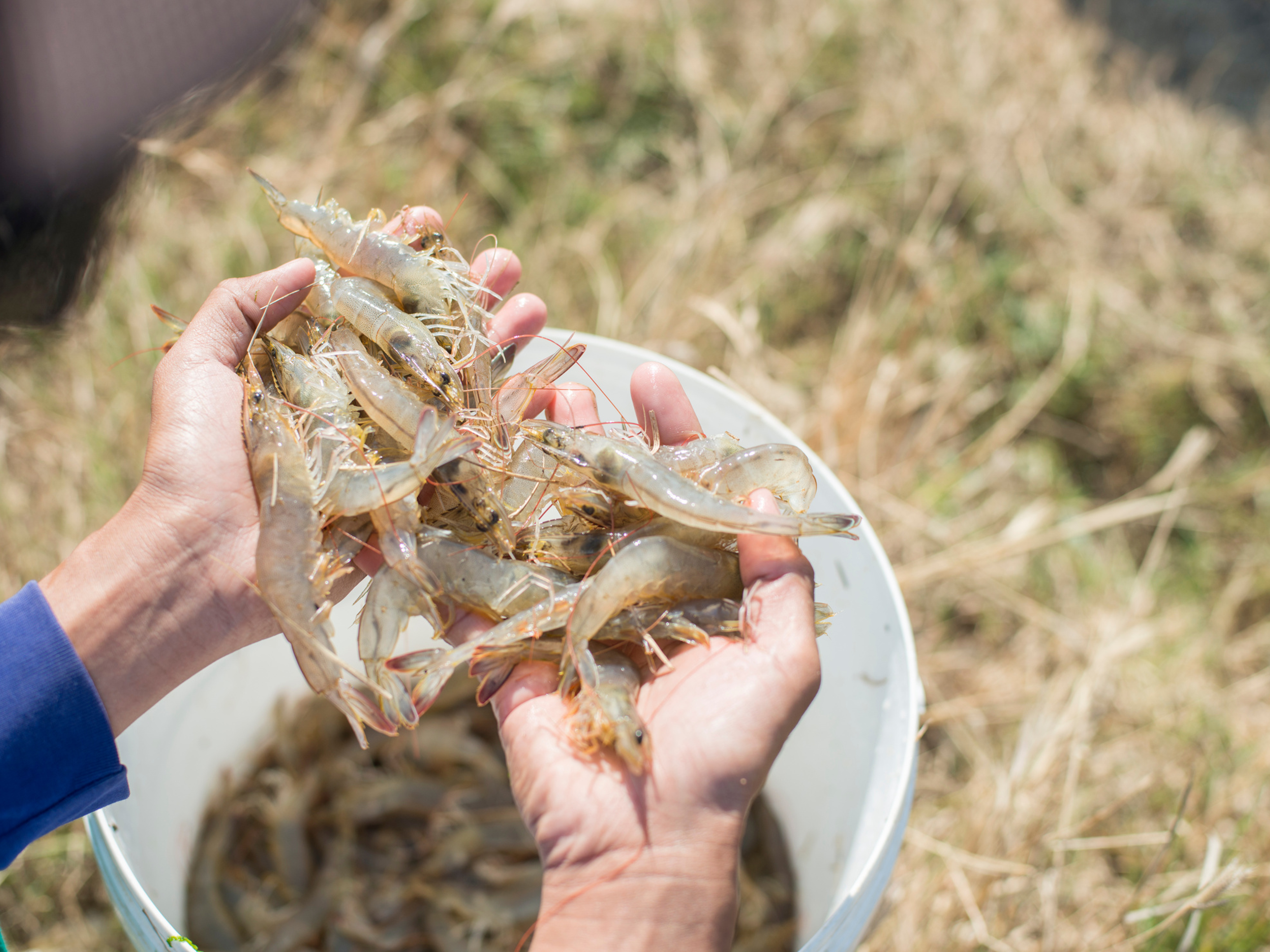
Many markets within the European Union (EU) and the United Kingdom are tightening animal welfare requirements in the food supply chain, including for farmed shrimp. This places pressure on compliance with humane farming, transportation, and slaughtering processes, while also creating opportunities for Vietnamese enterprises to enhance sustainability standards and increase the value of export products.
From 2026, many leading retail chains in the EU and the United Kingdom will require warm-water shrimp to be “fully stunned” prior to icing, replacing the traditional cold-shock method. This requirement aims to minimize pain during harvesting and processing, in line with sustainable and ethical consumption trends that are increasingly valued in Europe. Certain new animal welfare regulations have shifted from “ethical recommendations” to mandatory requirements imposed by retailers such as Tesco, Marks & Spencer, Sainsbury’s, and Waitrose, which exporting enterprises believe will reshape the shrimp supply chain to Europe from 2026.
Phùng Kim Thu, Market Expert of the Vietnam Association of Seafood Exporters and Producers (VASEP), stated that the new animal welfare standards go beyond documentation or certification and require substantive changes in production processes. Enterprises must invest in new harvesting and preliminary processing technologies, adjust operational procedures, and strengthen control over the transportation of live shrimp. In the context of increasingly narrowing profit margins in the shrimp sector, the cost of a stunning modern electrical line will pose significant pressure on enterprises.
From the perspective of international competition, the new EU requirements may become an indirect advantage for countries already accustomed to large-scale production models, high certification rates, and integrated production chains.
Ecuador, which holds the largest export market share in the EU, currently has a higher proportion of shrimp certified under the Aquaculture Stewardship Council (ASC) standard compared to Viet Nam, and possesses integrated production chains that facilitate the integration of stunning technology or process improvements. With the advantages of low costs and rapid expansion, Indian exporters are also focusing on increasing their market share in the EU.
According to Viet Nam Customs, by mid-December 2025, Viet Nam’s shrimp export turnover to the EU reached over USD 562 million, an increase of 22% compared to the same period in 2024.
According to Viet Nam Customs, by mid-December 2025, Viet Nam’s shrimp export turnover to the EU reached over USD 562 million, an increase of 22% compared to the same period in 2024. However, if enterprises do not promptly adapt to the new animal welfare standards and intensify technological investment, their market share will quickly narrow, and the current growth rate will be only short-term.
Ho Quoc Luc, Chairman of the Board of Directors of Sao Ta Foods Joint Stock Company, stated that when shrimp and fish are farmed and slaughtered humanely, their appeal to consumers will be higher. Since Sao Ta Company equipped itself with an imported humane shrimp harvesting and slaughtering line, sales in high-end markets have increased in recent years, and the company has gained additional strategic partners. Focusing on animal welfare standards is a way to enhance value, strengthen product competitiveness, and enable sustainable enterprise development.
“With the dynamic tradition of the fisheries sector, there will soon be more humane aquaculture facilities in the near future. This is also an indicator that the fisheries sector is following the right trend in its path toward sustainable development,” said Hồ Quốc Lực.
Numerous scientific studies indicate that aquatic animals are sentient and capable of experiencing pain, hunger, thirst, and stress; therefore, they should be treated humanely, with injuries minimized to the lowest possible level.
In European countries, North America, Australia, New Zealand, and others, consumers favor seafood products accompanied by commitments to ensure animal welfare, avoid antibiotic overuse, and maintain low mortality rates in farming. International standards such as ASC and GlobalGAP are also increasingly tightening and upgrading animal welfare requirements. Compliance with animal welfare standards is an inevitable requirement to maintain market share and further penetrate high-end markets such as the EU, the United States, and Japan. Humane technical measures, such as “full stunning” by electricity during shrimp harvesting or the elimination of eyestalk ablation practices in broodstock, will soon become common standards. Therefore, Vietnamese seafood enterprises should promptly develop production plans aligned with welfare requirements, update international standards, and proactively innovate technologies, viewing this as an opportunity for sustainable development and for enhancing value and position in the global market.
LÊ QUÂN