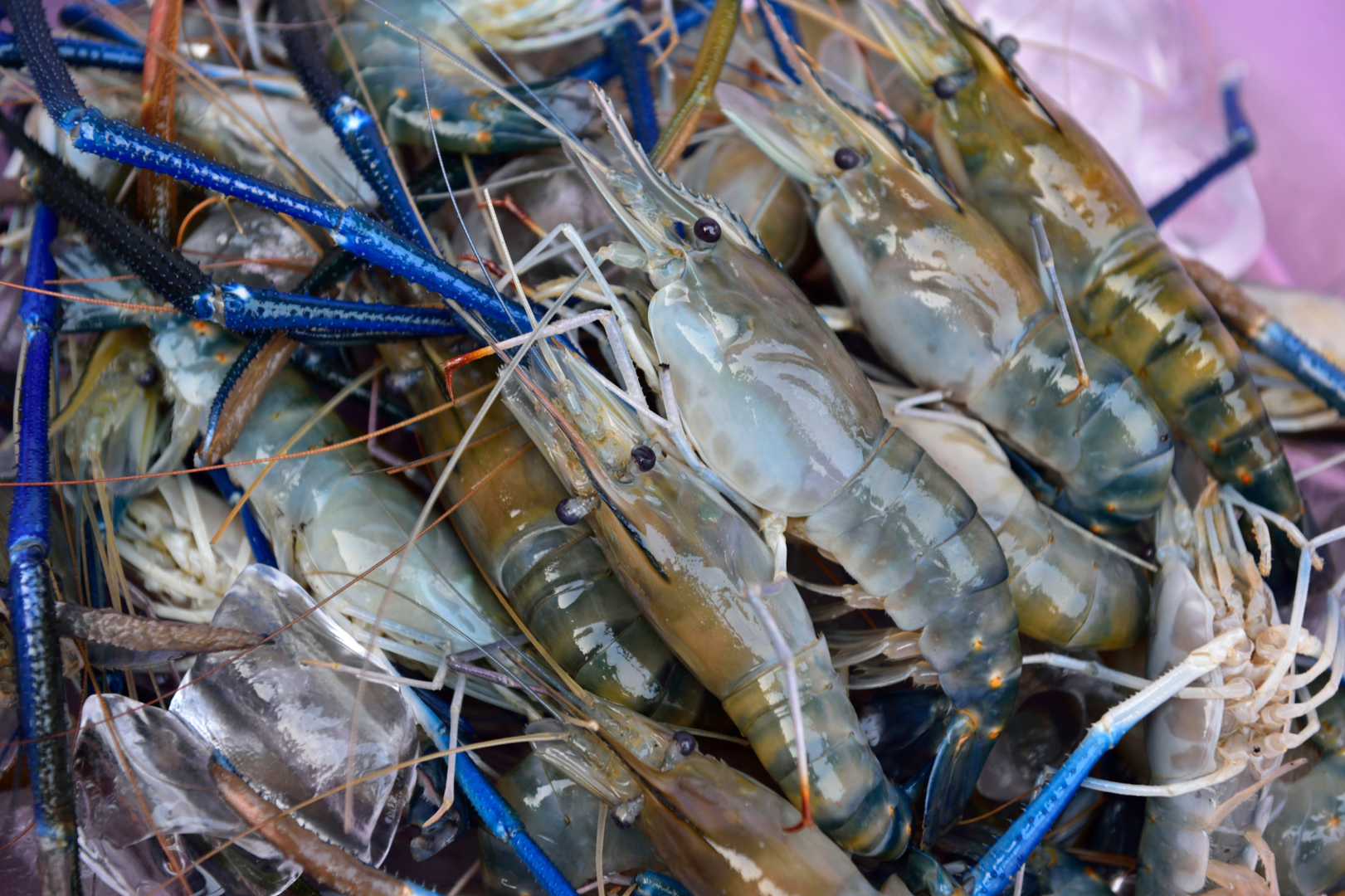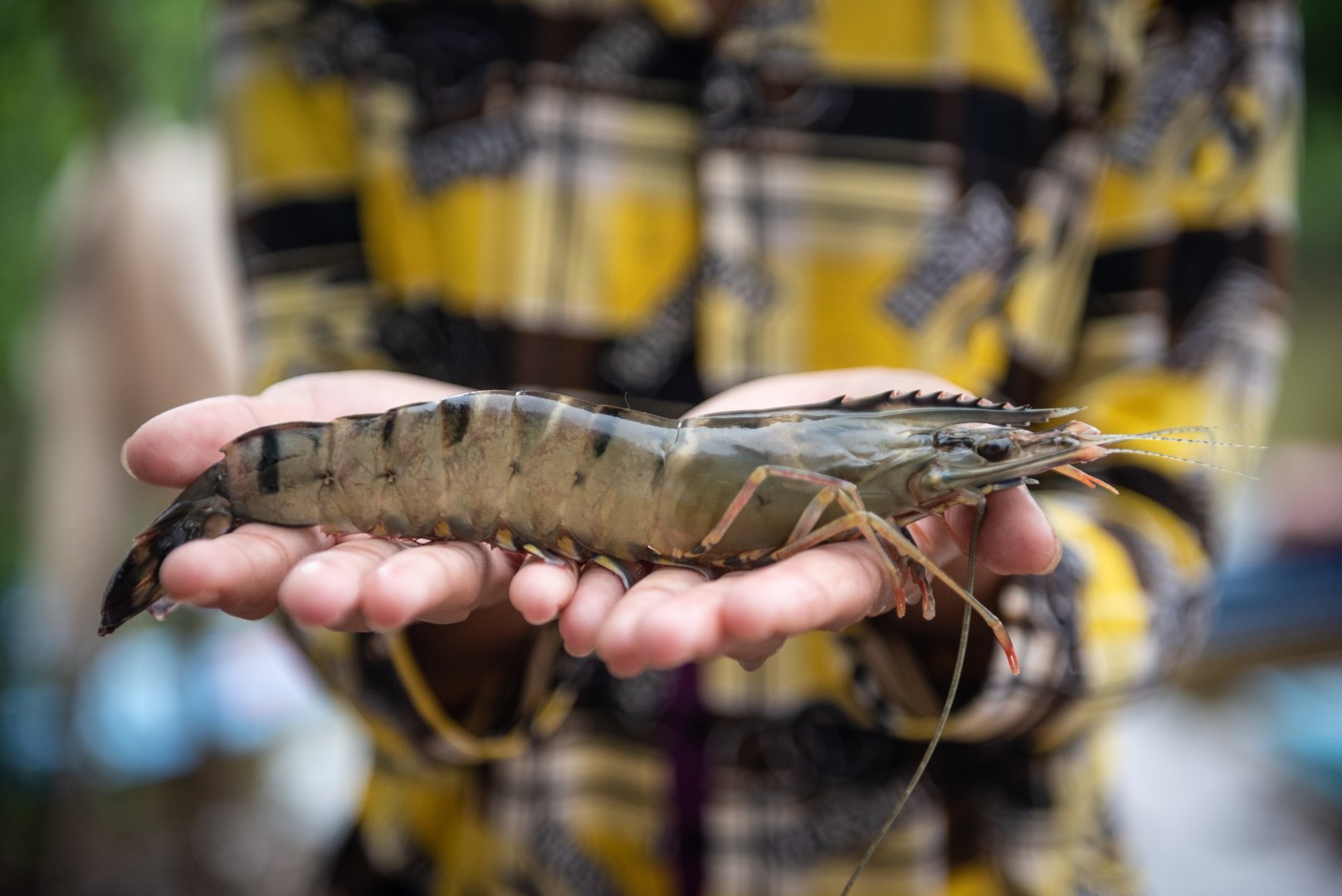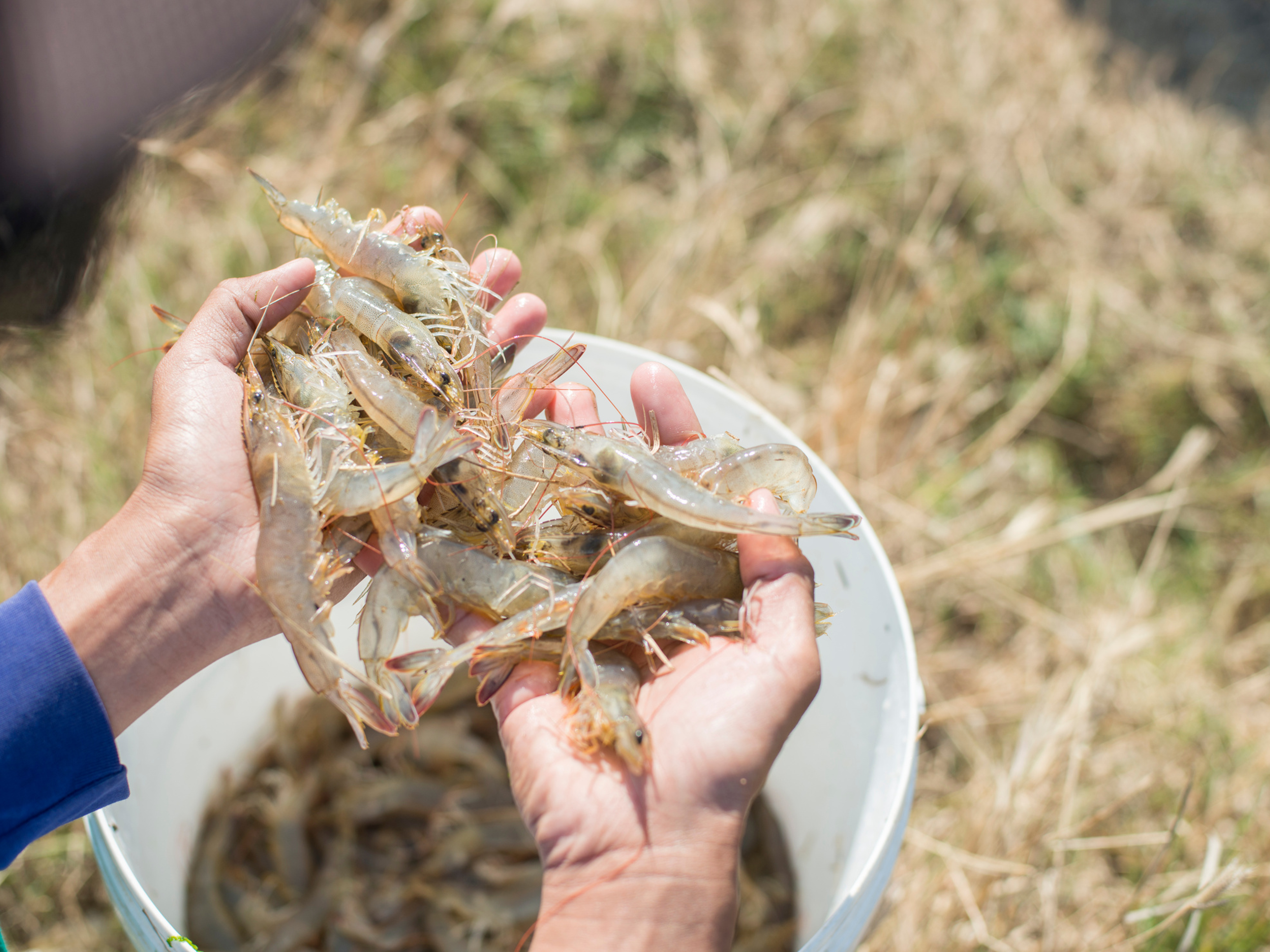
The aquaculture sector in Viet Nam has developed robustly, playing an important role in food supply and economic growth. The use of antibiotics in aquaculture must strictly comply with legal regulations to ensure food safety, protect the environment, and safeguard public health.
Overview of the Role of Antibiotics in Aquaculture
Antibiotics help control diseases in aquaculture; however, they must be used properly to ensure safety and compliance with the law.
Viet Nam’s aquaculture sector faces numerous challenges related to bacterial diseases, making antibiotics an essential tool to protect the health of shrimp and fish and to enhance productivity. Pursuant to the Law on Fisheries 2017, the use of antibiotics must be strictly controlled to prevent chemical residues in products, ensure food safety, and meet export standards. Antibiotics are used to treat or prevent bacterial diseases such as acute hepatopancreatic necrosis disease (AHPND) in shrimp or hemorrhagic disease in fish. However, improper use may lead to antimicrobial resistance, adversely affecting human health and the environment. Common antibiotics include Oxytetracycline, Florfenicol, and Sulfadimidine, but their use must comply with prescribed dosages and withdrawal periods in accordance with Circular No. 04/2016/TT-BNNPTNT as amended by Circular No. 01/2022/TT-BNNPTNT.
Current legal regulations require farmers to maintain records of antibiotic usage to ensure traceability and compliance with withdrawal periods prior to harvest, in accordance with Decree No. 37/2024/NĐ-CP guiding the implementation of the Law on Fisheries 2017. This helps minimize the risk of antibiotic residues in aquaculture products, meeting the requirements of demanding markets such as the EU, the United States, and Japan. In addition, the Law on Environmental Protection 2020 requires aquaculture facilities to properly treat waste to reduce impacts on ecosystems. The selection of antibiotics should be based on antimicrobial susceptibility testing and consultation with veterinarians to ensure effectiveness and safety.
Types of Antibiotics Used in Aquaculture
Pursuant to Circular No. 04/2016/TT-BNNPTNT as amended by Circular No. 01/2022/TT-BNNPTNT, antibiotics permitted for use in aquaculture belong to various groups with different mechanisms of action, appropriate to specific diseases and cultured species.
The β-lactam group, including Amoxicillin and Ampicillin, is commonly used to treat infections caused by Gram-positive bacteria in shrimp and fish. These antibiotics destroy the bacterial cell wall, effectively controlling diseases such as enteritis in pangasius or red spot disease in shrimp. However, farmers must comply with the withdrawal period (usually 7–14 days) prior to harvest to avoid residues, as stipulated in Circular No. 04/2016/TT-BNNPTNT. Overuse of this group may lead to antimicrobial resistance, reducing treatment effectiveness in the future.
The Tetracyclines group, such as Oxytetracycline and Doxycycline, acts by inhibiting bacterial protein synthesis. They are commonly used to treat acute hepatopancreatic necrosis disease in shrimp or hemorrhagic disease in fish. However, research by the Research Institute for Aquaculture No. 1 indicates that the resistance rate of Vibrio spp. to Oxytetracycline is as high as 86.7%, requiring farmers to conduct antimicrobial susceptibility testing prior to use. Under the Law on Animal Husbandry 2018, antibiotics may only be used with a prescription from a licensed veterinary practitioner.
The Quinolones group, including Enrofloxacin, is used to treat severe infections. However, certain active ingredients such as Ciprofloxacin have been prohibited in aquaculture under Circular No. 04/2016/TT-BNNPTNT due to the high risk of residues and adverse effects on human health. Farmers must review the list of prohibited antibiotics to avoid legal violations, which may be subject to administrative penalties in accordance with Decree No. 38/2024/NĐ-CP on administrative sanctions in the fisheries sector.
The Sulfonamides group, such as Sulfadimidine in combination with Trimethoprim, inhibits bacterial folic acid synthesis and is suitable for treating infections caused by susceptible bacteria. However, overuse of this group may result in residues in products, leading to health issues such as allergies or digestive disorders for consumers. Decree No. 37/2024/NĐ-CP requires testing for antibiotic residues in products prior to export to ensure safety.
In addition, antibiotics such as Florfenicol and Benzalkonium chloride are used for disinfection or disease treatment but may only be applied with specific indications. Circular No. 26/2018/TT-BNNPTNT provides detailed regulations on the management of aquaculture feeds and environmental treatment products, requiring farmers to update product information prior to use to ensure biosecurity.
Legal Regulations on the Use of Antibiotics in Aquaculture
The use of antibiotics in aquaculture is governed by the Law on Fisheries 2017, Decree No. 37/2024/NĐ-CP, Decree No. 38/2024/NĐ-CP, and Circular No. 04/2016/TT-BNNPTNT as amended by Circular No. 01/2022/TT-BNNPTNT. Below are the specific steps to ensure compliance with legal regulations:
Step 1: Determine the Need for Antibiotic Use
Farmers must collect samples and conduct analyses at reputable testing facilities to accurately identify bacterial diseases. Pursuant to Circular No. 04/2016/TT-BNNPTNT, antibiotics may only be used when there is a clear diagnosis. The use of antibiotics for disease prevention is not encouraged, except in cases where aquatic animals are at the juvenile stage, in accordance with the Law on Animal Husbandry 2018. Farmers should consult veterinarians or specialists for appropriate prescriptions.
Step 2: Select Antibiotics Permitted for Circulation
Only antibiotics included in the permitted list promulgated under Circular No. 04/2016/TT-BNNPTNT may be used. Prohibited antibiotics such as Chloramphenicol, Ciprofloxacin, and Malachite green are listed in Appendix 1 of Circular No. 04/2016/TT-BNNPTNT due to their potential harm to human health and the environment. Violations may be subject to fines ranging from VND 50 million to VND 1 billion in accordance with Decree No. 38/2024/NĐ-CP.
Step 3: Comply with Dosage and Duration of Use
Antibiotic dosages must comply with the manufacturer’s instructions or a veterinarian’s prescription. Circular No. 04/2016/TT-BNNPTNT requires the discontinuation of antibiotic use 7–14 days prior to harvest to ensure the absence of residues. Farmers are required to maintain records of antibiotic usage, including the name of the drug, dosage, and duration of use, for inspection purposes in accordance with Decree No. 37/2024/NĐ-CP.
Step 4: Test for Antibiotic Residues Prior to Export
Before export, aquaculture products must be tested for antibiotic residues at designated laboratories, such as the National Institute for Food Safety and Hygiene Control. According to a 2021 report by the National Agro-Forestry-Fisheries Quality Assurance Department, 13 out of 1,768 farmed shrimp samples contained prohibited residues, resulting in warnings from the EU. Decree No. 38/2024/NĐ-CP stipulates strict penalties for violations related to antibiotic residues.
Step 5: Apply Alternatives to Antibiotics
To reduce dependence on antibiotics, farmers are encouraged to use probiotics or herbal products. Circular No. 26/2018/TT-BNNPTNT permits the use of microbial products such as EM or herbs such as garlic and Wedelia to improve water quality and enhance the immunity of shrimp and fish. VietGAP and GlobalGAP farming models are also encouraged to promote sustainable production.
Impacts of Antibiotic Overuse and Alternative Solutions
The overuse of antibiotics causes numerous serious consequences, requiring the adoption of alternative solutions to ensure sustainable development.
The overuse of antibiotics in aquaculture leads to numerous serious consequences, affecting human health, the environment, and the reputation of the fisheries sector. Pursuant to Circular No. 04/2016/TT-BNNPTNT, prohibited substances such as Malachite green and Nitrofurans may accumulate in products, causing health problems such as allergies, hormonal disorders, and even cancer. Antimicrobial-resistant bacteria, such as Vibrio spp. resistant to Tetracycline at a rate of 87.2% according to research by the Research Institute for Aquaculture No. 1, increase difficulties in disease treatment. The Law on Environmental Protection 2020 requires aquaculture facilities to treat waste to reduce pollution, as excessive antibiotics may destroy beneficial microorganisms and disrupt ecosystem balance.
Improper use of antibiotics also results in economic losses, particularly when export consignments are returned due to antibiotic residues exceeding permissible limits, such as the case in which the EU issued warnings to four Vietnamese enterprises in 2020. Decree No. 38/2024/NĐ-CP stipulates fines of up to VND 1 billion for the use of prohibited substances, and business licenses may also be revoked. This underscores the importance of complying with legal regulations and controlling product quality.
To limit antibiotic overuse, farmers may apply probiotics such as Microbe-Lift DFM or herbal remedies such as garlic (10–15 g/kg of feed per day) and Andrographis paniculata (1–1.5 kg/50 kg of fish), according to research by Dr. Bùi Quang Tề. These solutions help improve water quality, enhance the immunity of shrimp and fish, and reduce the risk of antimicrobial resistance. Circular No. 26/2018/TT-BNNPTNT encourages the use of aquaculture environmental treatment products to ensure biosecurity. VietGAP and GlobalGAP farming models also help control the farming environment, reduce dependence on antibiotics, and improve product quality.
In addition, the application of high technology in aquaculture, such as the Recirculating Aquaculture System (RAS), helps control water quality and reduce the risk of disease outbreaks, thereby limiting antibiotic use. The Law on Fisheries 2017 encourages investment in infrastructure and technology for the sustainable development of the fisheries sector. Farmers should also enhance their awareness through training programs organized by the Ministry of Agriculture and Rural Development to ensure the scientific and lawful use of
Frequently Asked Questions
Which antibiotics are prohibited in aquaculture?
Pursuant to Circular No. 04/2016/TT-BNNPTNT, 24 chemicals and antibiotics are prohibited, including Chloramphenicol, Ciprofloxacin, Malachite green, and Nitrofurans, due to their potential harm to human health and the environment. Violations may be subject to penalties under Decree No. 38/2024/NĐ-CP, with fines of up to VND 1 billion. Farmers must review the list of prohibited substances prior to use.
How should antibiotics be used properly?
Farmers must use antibiotics in accordance with a veterinarian’s prescription, comply with prescribed dosages, and observe the withdrawal period (7–14 days) prior to harvest, pursuant to Circular No. 04/2016/TT-BNNPTNT. Maintaining records of antibiotic usage is mandatory to ensure traceability, in accordance with Decree No. 37/2024/NĐ-CP. Testing for antibiotic residues prior to export is also an important requirement.
Are there alternatives to antibiotics in aquaculture?
Probiotics such as EM, and herbal remedies such as garlic, Wedelia, or Andrographis paniculata are effective alternatives, pursuant to Circular No. 26/2018/TT-BNNPTNT. These measures improve water quality, enhance the immunity of shrimp and fish, and reduce the risk of antimicrobial resistance. VietGAP and GlobalGAP models also help reduce dependence on antibiotics.
How can antibiotic residues in products be tested?
Aquaculture products must be submitted to designated laboratories, such as the National Institute for Food Safety and Hygiene Control, for antibiotic residue testing. Pursuant to Decree No. 38/2024/NĐ-CP, such testing is mandatory prior to export to ensure food safety and compliance with international standards.Antibiotics used in aquaculture play an important role in disease control; however, they must be used in accordance with the Law on Fisheries 2017, Decree No. 37/2024/NĐ-CP, Decree No. 38/2024/NĐ-CP, and Circular No. 04/2016/TT-BNNPTNT as amended by Circular No. 01/2022/TT-BNNPTNT.
Source: https://accdaklak.vn/cac-loai-thuoc-khang-sinh-trong-nuoi-trong-thuy-san-1/