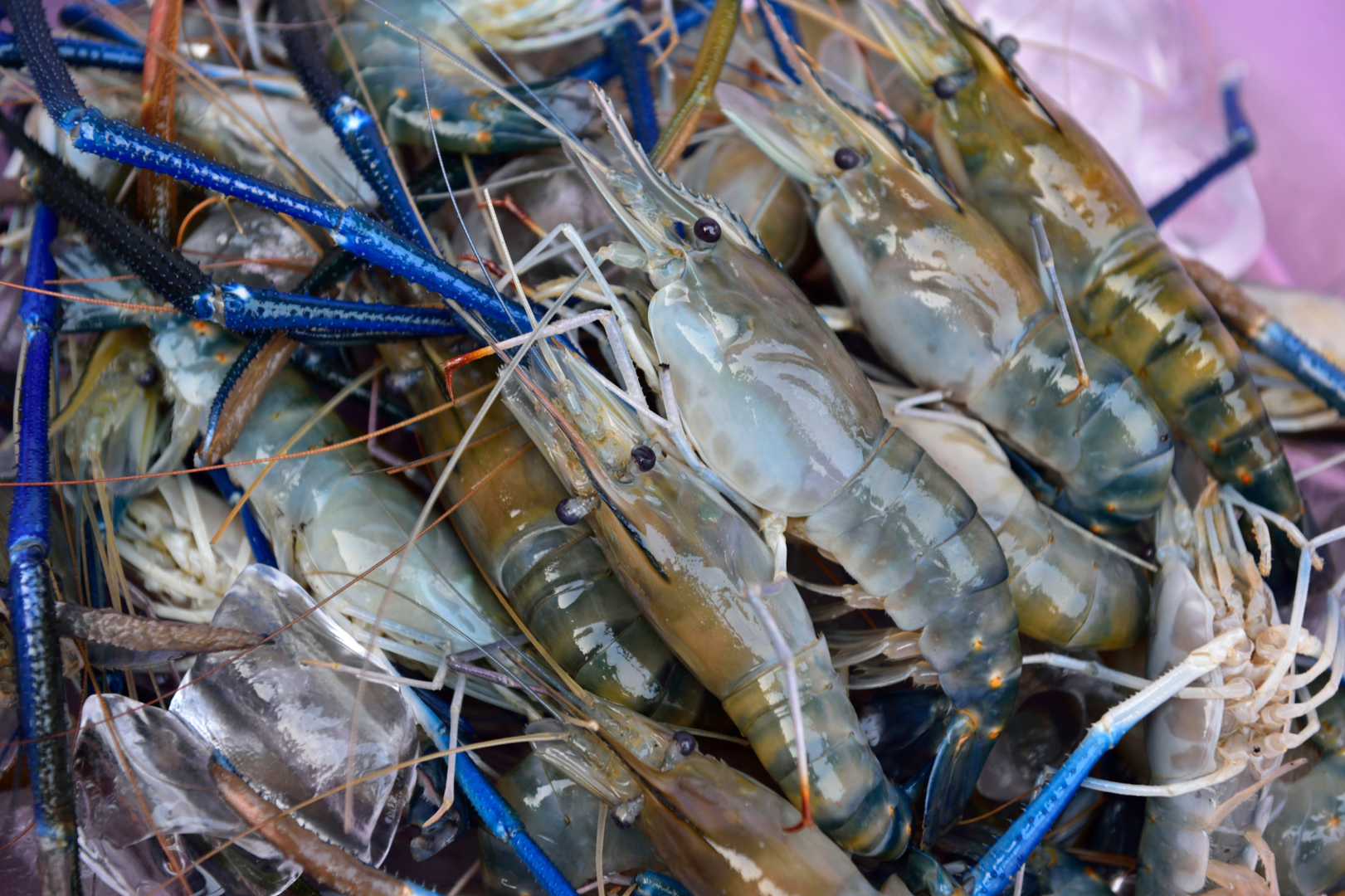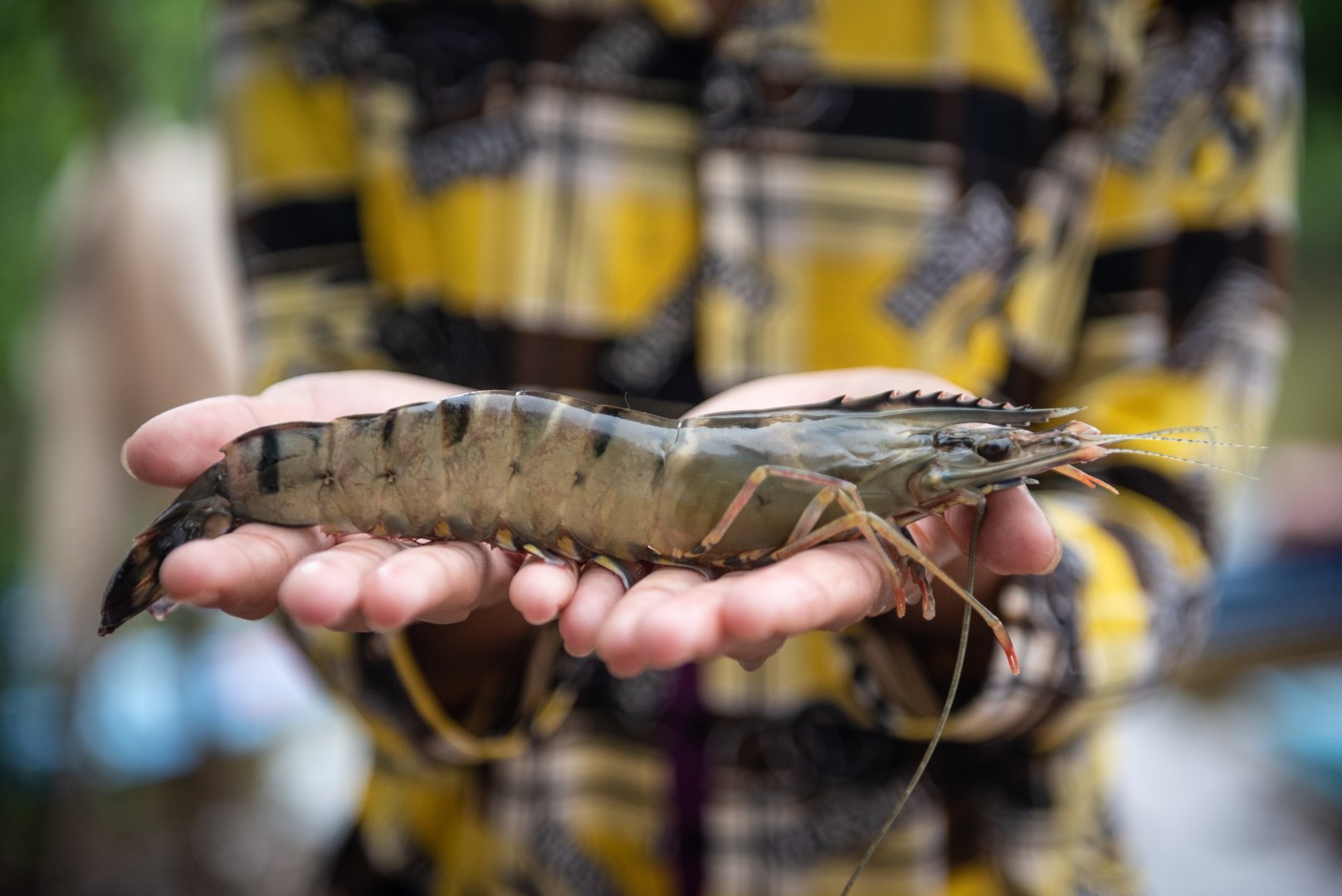
Many markets within the European Union (EU) and the United Kingdom are tightening requirements on animal welfare in the food supply chain, including farmed shrimp. This presents both pressure and an opportunity for Vietnamese enterprises to enhance sustainability standards and increase the value of export products.
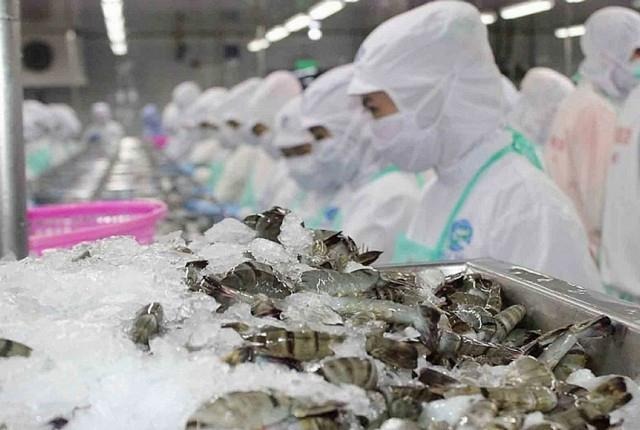
Illustrative Image
From 2026 onwards, many leading retail chains in the EU and the United Kingdom will require warm-water qshrimp to be “fully stunned” before being placed on ice, replacing the traditional cold-shock method. This requirement aims to minimize pain for farmed animals during harvesting and processing, in line with increasingly valued sustainable and ethical consumption trends in Europe.
According to the Vietnam Association of Seafood Exporters and Producers (VASEP), the new animal welfare standards go beyond documentation or certification and require substantive changes in production processes. Enterprises must invest in new harvesting and preliminary processing technologies, adjust operational procedures, and strengthen control over the transportation of live shrimp. In the context of increasingly narrowing profit margins in the shrimp sector, the cost of a modern electrical stunning line will pose significant pressure on enterprises.
It can be affirmed that compliance with animal welfare standards is an inevitable requirement to maintain market share and further penetrate high-end markets such as the EU, the United States, and Japan. Humane technical measures, such as “full stunning” by electricity during shrimp harvesting or the elimination of eyestalk ablation practices in broodstock, will soon become common standards. Therefore, Vietnamese seafood enterprises should promptly develop production plans aligned with welfare requirements, update international standards, and proactively innovate technologies, viewing this as an opportunity for sustainable development and for enhancing value and position in the global market.
According to Vietnam Customs, by mid-December 2025, Viet Nam’s shrimp export turnover to the EU reached over USD 562 million, an increase of 22% compared to the same period in 2024. If enterprises do not promptly adapt to the new animal welfare standards and intensify technological investment, their market share will quickly narrow, and this growth rate will be only short-term.